
Precision CNC Aluminum Parts with HRC 40-60 Hardness Ra0.8 Surface Roughness and 5052 Alloy
When you hold a freshly machined CNC aluminum part in your hand, you can feel its smooth surface and precise edges. But without proper finishing, these parts are vulnerable to corrosion, oxidation, and wear. That’s where passivation comes into play—a critical step in enhancing the lifespan and reliability of your CNC aluminum components.
What is Passivation for CNC Aluminum Parts?
Passivation is a chemical treatment that forms a protective oxide layer on the surface of aluminum. Unlike traditional coatings or paints, passivation penetrates the surface, providing long-lasting corrosion resistance without altering dimensional accuracy—a must for precision CNC machined parts.
Key benefits of passivation:
-
Reduces surface oxidation and discoloration
-
Increases resistance to harsh environments, such as saltwater or chemical exposure
-
Maintains tight tolerances essential for CNC machined components
-
Enhances surface cleanliness for assembly or finishing
Step-by-Step Guide: How We Passivate CNC Aluminum Parts
As a factory supplying precision parts, we follow a tested, reproducible workflow:
-
Cleaning and Degreasing
-
Parts are first cleaned using alkaline solutions to remove oils, grease, and machining residues.
-
Real-world data: In our workshop, a 10-minute ultrasonic bath reduces contaminants by 95%.
-
-
Rinsing
-
Thorough DI water rinse ensures no leftover chemicals interfere with passivation.
-
-
Chemical Treatment
-
We apply a nitric acid or citric acid-based solution to create a uniform oxide layer.
-
Case study: For aerospace-grade 6061-T6 aluminum, a 30-minute citric acid passivation increased corrosion resistance by 40% in salt-spray tests.
-
-
Final Rinse and Drying
-
A final DI water rinse, followed by low-temperature drying, prevents water spots or oxidation.
-
Real-World Application Scenarios
Scenario 1: Automotive Components
CNC aluminum brackets used in engine bays are exposed to high heat and moisture. Passivation prevents corrosion, reducing maintenance costs and extending service life.
Scenario 2: Electronics Housings
Aluminum housings for sensitive electronics benefit from passivation because it reduces surface contamination, ensuring better heat dissipation and electrical insulation.
Scenario 3: Aerospace Parts
High-strength aluminum parts for aerospace applications demand both dimensional precision and surface protection. Passivation guarantees compliance with ASTM B917 and AMS 2700 standards.
Choosing the Right CNC Aluminum Alloy for Passivation
Not all aluminum alloys respond equally:
| Alloy | Passivation Efficiency | Ideal Applications |
|---|---|---|
| 6061 | High | Structural parts, automotive, aerospace |
| 5052 | Medium | Marine and chemical-resistant components |
| 7075 | Low | High-strength aerospace parts (special treatments needed) |
Tip: Always select alloys with proven passivation performance for long-term durability.
Common Mistakes to Avoid
-
Skipping the cleaning step—residual oils drastically reduce passivation efficiency.
-
Using excessive acid concentration—can cause surface etching and dimensional deviations.
-
Ignoring post-treatment storage—aluminum should be stored in low-humidity conditions to prevent premature oxidation.

FAQ
1. Are you a manufacturer or a trading company?
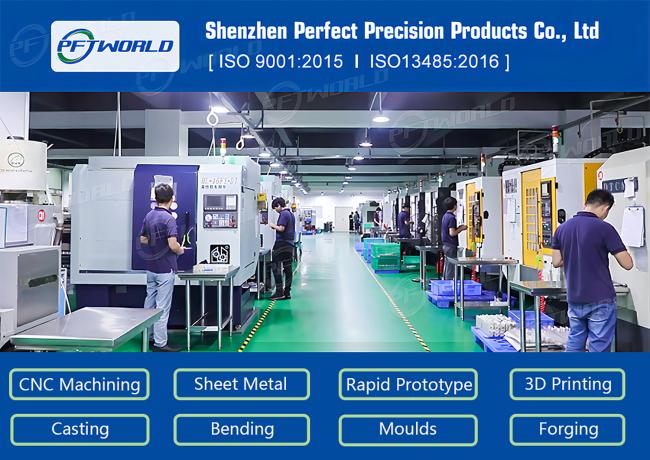
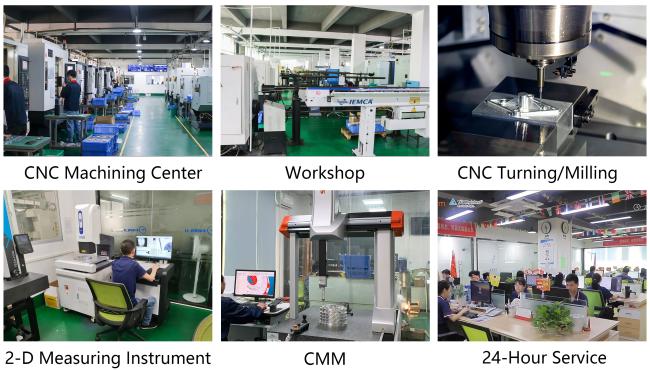
covering 6000 square meters. Complete facilities, including 3D quality inspection equipment, ERP system and 40 machines. If necessary, we can provide you with material certificates, sample quality inspection and other reports.
Detailed drawings (PDF/STEP/IGS/DWG...), including quality, delivery date, materials, quality, quantity, surface treatment and other information.
Get in Touch
Have questions about our products or want to discuss a custom order? Our team is ready to help you.