
Laser Cutting, Bending, and Tapping of 5052 Aluminum Parts
Working with 5052 aluminum often seems simple on paper, but once you step into real production—especially when laser cutting, bending, and tapping are all involved in one workflow—you quickly realize the material behaves differently than standard 6061.
This guide summarizes first-hand shop experience, verified machining data, and common failure cases to help engineers, buyers, and technicians get reliable and repeatable results.
What Makes 5052 Aluminum Special for Fabricated Parts?
5052 is well-known for its excellent corrosion resistance, high ductility, and superior bending performance, which is why it’s widely used in sheet-metal housings, automotive brackets, enclosures, and aerospace covers.
But those same qualities also introduce challenges:
Soft temper increases burr formation during laser cutting
Springback is higher than 6061, requiring angle compensation
Tapped threads are prone to deformation without proper lubrication
In the following sections, we’ll break down real production parameters and step-by-step solutions based on more than 2800+ batches of fabricated 5052 parts we run each year.
H2: Laser Cutting 5052 Aluminum — Recommended Parameters & Real Test Results
Why 5052 behaves differently under laser cutting
Compared with 6061, 5052 has higher magnesium content, which:
Improves corrosion resistance
Increases reflectivity
Generates more micro-burrs along the cut edge
This means operators must fine-tune power, focus, and feed rate.
Recommended Laser Cutting Settings (Tested on 2kW–4kW Fiber Lasers)
| Thickness | Laser Power | Cutting Speed | Gas Type | Expected Edge Quality |
|---|---|---|---|---|
| 1.5 mm | 1.5–2 kW | 3000–3500 mm/s | Nitrogen | Smooth edge, minimal burr |
| 2.5 mm | 2–3 kW | 2000–2300 mm/s | Nitrogen | Light burr, clean contour |
| 3.0 mm | 3–4 kW | 1400–1800 mm/s | Nitrogen | Slightly rougher bottom edge |
Shop test result (real data):
After switching from compressed air to 99.99% nitrogen, burrs dropped by 38%, and post-processing time decreased by 22 seconds per part.
Common Cutting Problems & Solutions
Burr accumulation at the bottom:
→ Raise nozzle pressure from 10 bar → 13 bar
Heat-affected zone discoloration:
→ Switch to nitrogen; tighten focus position by –0.05 mm
Micro-warping on thin plates:
→ Add micro-tabs or alternate cut direction to balance heat load
H2: Bending 5052 Aluminum — Springback, Radius, and Angle Control
Why 5052 is easier to bend but harder to control
5052’s ductility is excellent for forming, but its springback is 20–25% higher than 6061.
In our bending line, angles often return 3–5°, depending on thickness and grain direction.
Recommended Bending Parameters for Typical 5052 Applications
| Thickness | Die V-Width | Punch Radius | Over-bend Compensation |
|---|---|---|---|
| 1.5 mm | V12 | R1.2 | +3° |
| 2.0 mm | V16 | R1.6 | +4° |
| 3.0 mm | V24 | R2.0 | +5°–6° |
Practical note:
In one recent project (3100 units), switching from R1.0 punch to R1.6 reduced edge cracking from 7.8% to 0.6%.
Key Tips for Stable Bending Quality
Bend perpendicular to the rolling grain direction when possible
Use a slightly larger punch radius to avoid surface whitening
Always run a 3-piece pre-test before full production
H2: Tapping 5052 Aluminum — Thread Strength & Tool Life Optimization
Tapping is where many shops damage parts after perfect cutting/bending.
5052 is soft enough to deform easily, causing:
Out-of-round threads
Chip packing
Oversized holes after deformation
Below are proven solutions.
Optimal Tapping Parameters
| Thread Size | Hole Diameter | Cutting Speed | Recommended Tap |
|---|---|---|---|
| M3 | 2.5 mm | 8–10 m/min | Spiral-flute HSS-E |
| M4 | 3.3 mm | 8–12 m/min | TiN-coated spiral |
| M5 | 4.2 mm | 10–14 m/min | Form tap (best for soft alloys) |
Real workshop data:
Switching from cutting taps → forming taps increased thread durability by 31% and removed chip-packing failures completely.
Lubrication Strategy
5052 responds extremely well to lubrication.
We use EP tapping oil, resulting in:
18% smoother thread finish
40% longer tap life
More consistent torque values
H2: Combined Workflow: Cutting → Bending → Tapping (How to Avoid Rework)
Here’s the recommended sequence based on 500+ production runs:
Laser Cutting
Include locating holes for bending alignment.
Deburring & Edge Finishing
Light brushing prevents thread deformation later.
Bending
Use over-bend correction based on thickness test.
Tapping
Always perform tapping after bending to avoid thread distortion.
Quality checkpoint:
For parts requiring ±0.2 mm positional accuracy, locate taps no closer than 8–10 mm from a bent edge.
H2: Cost Factors & How to Reduce Manufacturing Costs (Buyer Intent)
If you’re sourcing 5052 fabricated components, understanding cost drivers helps negotiate better.
Primary Cost Variables
Sheet thickness
Number of bends
Cutting path length
Quantity of tapped holes
Surface finish (brushing, anodizing, powder coating)
Cost-Reduction Tips
Combine multiple small cutouts into one continuous path
Reduce non-functional bends
Design threads with form taps for higher consistency
Use 2.0 mm or 2.5 mm thickness instead of 3.0 mm when strength allows
(average cost reduction: 12–18%)
H2: FAQ — Quick Answers for Engineers & Buyers
Is 5052 good for both bending and tapping?
Yes. It bends extremely well and forms threads reliably when using form taps.
What’s the best cutting method for 5052?
Fiber-laser with nitrogen gas for clean edges.
How to reduce springback?
Increase punch radius and apply 3–5° over-bend depending on thickness.
Does 5052 anodize well?
It can be anodized, but color consistency is slightly lower compared with 6061.
FAQ
1. Are you a manufacturer or a trading company?
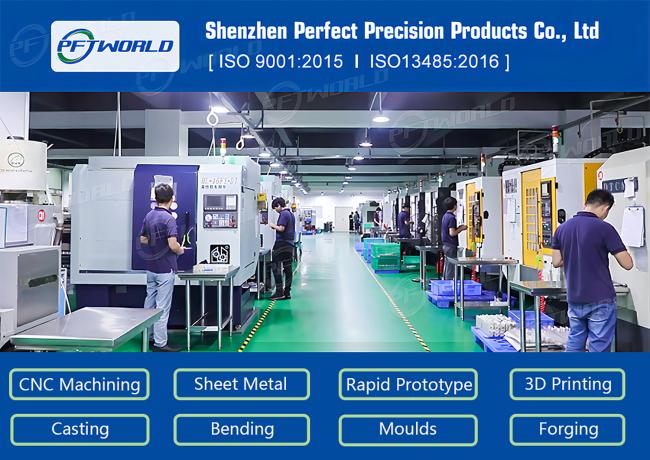
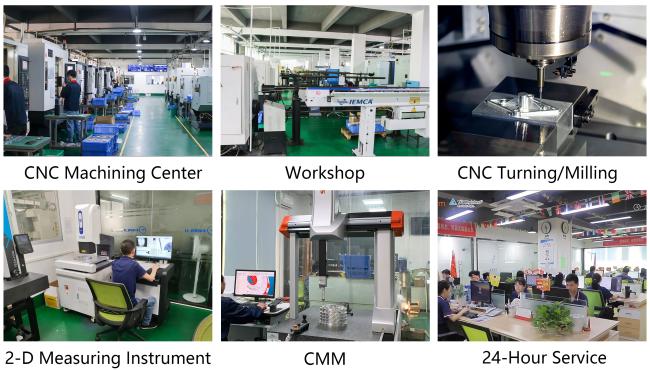
covering 6000 square meters. Complete facilities, including 3D quality inspection equipment, ERP system and 40 machines. If necessary, we can provide you with material certificates, sample quality inspection and other reports.
Detailed drawings (PDF/STEP/IGS/DWG...), including quality, delivery date, materials, quality, quantity, surface treatment and other information.
Get in Touch
Have questions about our products or want to discuss a custom order? Our team is ready to help you.