
5kW Vertical Axis Wind Generator with Low rotor speed Noise-Free and Electromagnetic Speed Regulation
- High wind energy coefficient with low startup wind speed (3.2m/s)
- Superior anti-wind capability and stable operation
- Noise-free performance with maintenance-free design
- Advanced anti-corrosion treatment and sealing for long service life
- Captures wind from any direction without yaw mechanism
- Ideal for urban and suburban environments with turbulent wind flows
| Rated Power | 5kW |
| Rated Voltage | 3000V |
| Rotor diameter (m) | 4 |
| Height of blade (m) | 3.6 |
| Material of blades and numbers | Glass Fiber Reinforced Plastic/5 |
| Rated rotor speed | 150 r/min |
| Speed regulation method | Electromagnetic control |
| Wind energy utilized coefficient | 30%-40% |
| Range of working temperature | -45℃ - 60℃ |
| Top weight (kg) | 485 |
| Start up wind speed (m/s) | 3.2 |
| Sweep wind area (㎡) | 5.84 |
| Survival wind speed (m/s) | 50 |
| Rated wind speed (m/s) | 11 |
| Tower type | Guy cabled tower |
| Service life | 20-25 years |
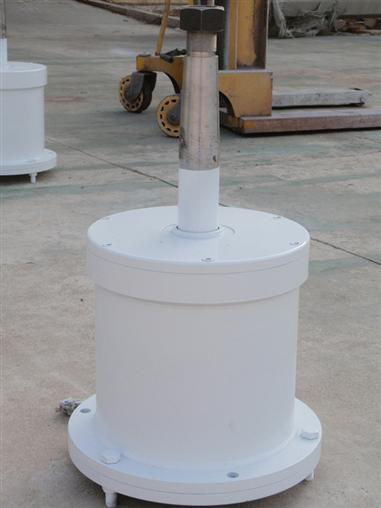


- Generator Type: Permanent magnetic synchronous style
- Surface Treatment: Multi-layer painting including base coat (2 layers), anti-corrosion paint, and surface finish
- Complete System Includes: Base flange, guy wires, wire tighteners, ground anchors, nuts, screws, bolts, and cables
- Off-Grid System Requirements: 4 x 12V 100AH batteries (not included in base price)
- Certifications: CE product certificate and ISO factory report
Q&A to Vertical Wind Turbines:
Basics & Working Principle**
1. What is a Vertical Axis Wind Turbine (VAWT)? How is it different from a Horizontal Axis Wind Turbine (HAWT)?
A Vertical Axis Wind Turbine has its rotor shaft arranged vertically, with blades rotating around a vertical axis. Key differences from HAWTs include:
- Omni-directional**: Does not need to face the wind; captures wind from any direction.
- Low noise & low RPM**: More suitable for residential or urban environments.
- Easier maintenance**: Key components (generator, gearbox) are typically near ground level.
- Generally lower efficiency** and higher cut-in wind speed compared to HAWTs.
2. Where are VAWTs commonly used?
- Rooftops or balconies in urban buildings
- Distributed power for remote areas (farms, telecom base stations)
- Hybrid renewable systems (e.g., wind-solar combo)
- Educational or research demonstration setups
Get in Touch
Have questions about our products or want to discuss a custom order? Our team is ready to help you.