
Safety Data Center Cable Ladder Side Rails Overhead Ladder Rack
Data Center Cable Ladder
The Data Center Cable Ladder (often called Cable Tray or Overhead Ladder Rack) is a specialized structural system designed to support, manage, and protect the vast network of power, data, and fiber optic cables within a data center. It forms the critical highway and infrastructure layer above server aisles and under raised floors, ensuring cables are organized, accessible, and safely routed.
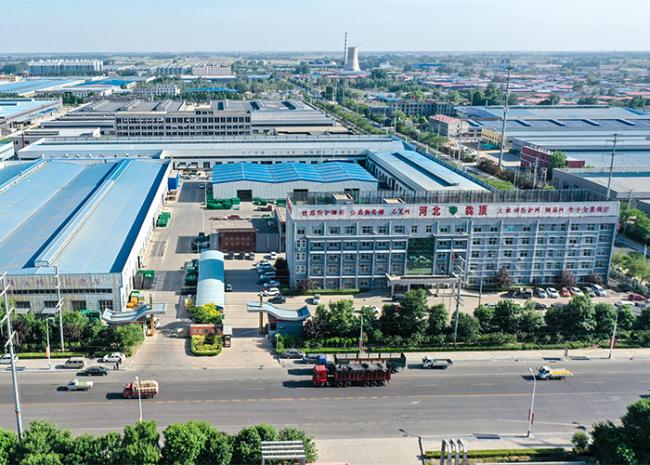
As a leading manufacturer and supplier of cable trays, Bending offers high-quality cable tray solutions to meet a wide range of load capacities. Products are made from common materials such as steel, aluminum alloy, or fiberglass.

Data Center Cable Ladder Features
- Organization & Scalability: Provides a structured and predictable path for thousands of cables, eliminating "spaghetti" chaos. New cables can be easily added or removed without disrupting existing ones.
- Protection & Safety: Elevates cables off the floor, protecting them from physical damage, water, and dust. It separates power and data cables to prevent electromagnetic interference (EMI) and reduces trip hazards.
- Optimal Airflow Management: The open rung design is crucial for modern hot aisle/cold aisle containment strategies. It allows cool air from CRAC/CRAH units to flow freely under raised floors or through aisles without obstruction, improving cooling efficiency and reducing energy costs.
- Accessibility & Maintenance: Engineers can easily trace, identify, and reroute cables for troubleshooting, upgrades, or decommissioning, minimizing downtime.
- Load Capacity & Strength: Engineered to hold significant weight (hundreds of pounds per linear foot) to support dense bundles of heavy copper and fiber cables over long spans.
Data Center Cable Ladder Structure
- Side Rails: The longitudinal beams that bear the load. Depth (height) determines stiffness and load capacity.
- Rungs: Cross-bars that provide cable support and retention spacing. Standard spacing is typically 225mm and 300mm.
- Fittings: A variety of components to create a complete pathway system:
- Straight Sections: Customizable.
- Tees and Crosses: For intersections.
- Reducers: To transition between different widths.
- Drops & Standoffs: To connect from the overhead ladder to cabinets/racks.
Data Center Cable Ladder SPECS(mm)
| No. | Width | Height | Rung Space | Length |
| 1 | 200 | 100 | 225/300 | 2000 |
|
2 |
200 | 150 | 225/300 | 3000 |
| 3 | 300 | 100 | 225/300 | 2000 |
| 4 | 300 | 150 | 225/300 | 3000 |
| 5 | 400 | 100 | 225/300 | 3000 |
| 6 | 400 | 150 | 225/300 | 3000 |
| 7 | 500 | 100 | 225/300 | 2000 |
| 8 | 500 | 150 | 225/300 | 3000 |
| 9 | 600 | 100 | 225/300 | 2000 |
| 10 | 600 | 150 | 225/300 | 3000 |
| 11 | 700 | 100 | 225/300 | 2000 |
| 12 | 700 | 150 | 225/300 | 3000 |
Data Center Cable Ladder Advantages
- High Load-Bearing Capacity: Ideal for heavy-duty power cables (e.g., HV/MV) and dense cable bundles.
- Long Support Spans: Fewer supports required compared to solid-bottom trays, reducing installation time and cost.
- Future-Proofing: Easy to add, remove, or reroute cables to accommodate system expansions or changes.
- Safety: Provides organized, elevated routing, protecting cables from ground hazards (water, physical damage). Proper grounding creates a continuous earth path.
- Cost-Effective: Lower initial material cost than some alternatives and significant savings in long-term maintenance and modification.
FAQS
1. Are you a manufacturer?
Yes, we have specialized in this field for over 30 years.





Get in Touch
Have questions about our products or want to discuss a custom order? Our team is ready to help you.