
1Cr13Al4 FeCrAl Wire for Electrolysis Hydrogen Production Applications

Hydrogen production through electrolysis represents one of the most promising methods for generating green energy. For optimal electrolysis performance, selecting the right materials is crucial to ensure high efficiency, durability, and reliability. 1Cr13Al4 Alloy Wire has emerged as a preferred material for these applications due to its unique combination of properties that make it ideal for electrolysis systems aimed at producing hydrogen gas.
At DLX Corporation, we offer specialized 1Cr13Al4 FeCrAl Wire tailored for electrolysis hydrogen production, ensuring optimal efficiency and long-lasting performance in demanding applications. Our wire is engineered to withstand high temperatures, resist corrosion, and maintain stable electrical resistance, making it the ideal choice for next-generation hydrogen production technologies.
1Cr13Al4 FeCrAl Wire is a specialized alloy wire designed for high-temperature and high-stress environments. Composed of iron, chromium, and aluminum, this wire exhibits excellent resistance to oxidation and corrosion, even in aggressive electrolysis conditions. Its superior electrical resistance and thermal properties enable stable and efficient performance in water splitting processes, which are fundamental to hydrogen production.
The wire is specifically engineered for use as electrodes in electrolysis cells. When electric current passes through the electrolyte solution, the wire facilitates the splitting of water molecules into hydrogen and oxygen. This reaction, powered by electrical energy, generates hydrogen gas for various energy applications including fuel cells, industrial processes, and renewable energy systems.

| Alloy Nomenclature Performance | 1Cr13Al4 | 0Cr25Al5 | 0Cr21Al6 | 0Cr23Al5 | 0Cr21Al4 | 0Cr21Al6Nb | 0Cr27Al7Mo2 |
|---|---|---|---|---|---|---|---|
| Chemical Composition (%) - Cr | 12.0-15.0 | 23.0-26.0 | 19.0-22.0 | 20.5-23.5 | 18.0-21.0 | 21.0-23.0 | 26.5-27.8 |
| Chemical Composition (%) - Al | 4.0-6.0 | 4.5-6.5 | 5.0-7.0 | 4.2-5.3 | 3.0-4.2 | 5.0-7.0 | 6.0-7.0 |
| Chemical Composition (%) - Re | Opportune | Opportune | Opportune | Opportune | Opportune | Opportune | Opportune |
| Chemical Composition (%) - Fe | Rest | Rest | Rest | Rest | Rest | Rest | Rest |
| Max. Continuous Service Temp. of Element (°C) | 950 | 1250 | 1250 | 1250 | 1100 | 1350 | 1400 |
| Resistivity at 20°C (μΩ.m) | 1.25 | 1.42 | 1.42 | 1.35 | 1.23 | 1.45 | 1.53 |
| Density (g/cm³) | 7.4 | 7.1 | 7.16 | 7.25 | 7.35 | 7.1 | 7.1 |
| Tensile Strength (N/mm²) | 580-680 | 630-780 | 630-780 | 630-780 | 600-700 | 650-800 | 680-830 |
| Elongation at Rupture (%) | >16 | >12 | >12 | >12 | >12 | >12 | >10 |
| Shape | Size (mm) |
|---|---|
| Wire | 0.05-7.5 |
| Rod | 8-50 |
| Ribbon | (0.05-0.35)×(0.5-6.0) |
| Strip | (0.5-2.5)×(5-180) |
- High Corrosion Resistance: The chromium content ensures outstanding oxidation resistance in harsh electrolysis environments with high temperatures and aggressive electrolytes.
- Stable Electrical Resistance: Maintains consistent electrical resistance critical for efficient electrolysis processes and effective energy utilization.
- Thermal Stability: High melting point (1,450°C) ensures durability during long-term use in high-temperature electrolysis systems.
- Customization Options: Available in various diameters and lengths to fit specific electrolysis system requirements.
- Improved Efficiency: Superior electrical and thermal properties enhance overall electrolysis efficiency for faster, more reliable hydrogen generation.
- Proven Durability: Excellent oxidation resistance and thermal properties ensure long lifespan, reducing replacement frequency and maintenance costs.
- Cost-Effective Performance: High-quality wire at competitive prices for reliable electrolysis applications.
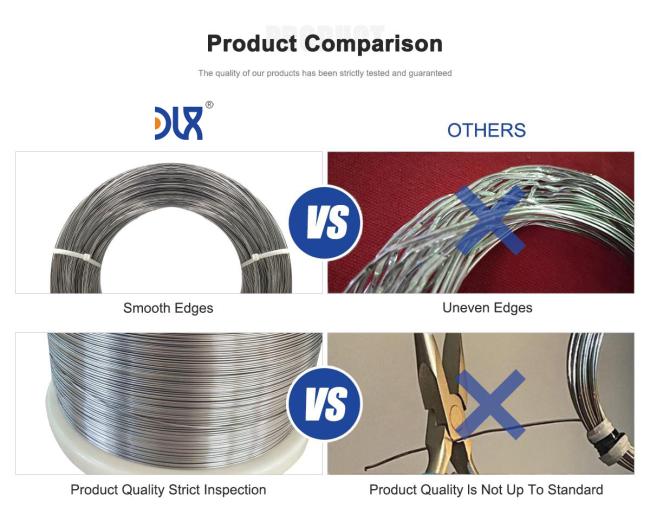
- High-Quality Manufacturing: Rigorous quality control guarantees top-tier performance in every batch.
- Sustainability: Supports global transition to renewable energy through cleaner hydrogen production methods.
- Expert Support: Technical guidance and tailored solutions for optimal material performance.
- Hydrogen Production via Electrolysis: Primary application as electrode material for splitting water into hydrogen and oxygen.
- Fuel Cells: Serves as electrodes in hydrogen fuel cell technology for electricity generation.
- Renewable Energy Storage: Crucial role in electrolysis process for hydrogen storage as energy reserve.
- Industrial Applications: Used in steel manufacturing and chemical processing requiring hydrogen.
- Energy Conversion Systems: Ideal for clean energy initiatives using hydrogen as fuel source.


DLX Corporation stands out in the alloy industry with our commitment to delivering high-quality, reliable materials tailored to evolving hydrogen production demands. Our 1Cr13Al4 FeCrAl Wire is engineered for superior performance and longevity in electrolysis cells.
- Customized Solutions: Tailored configurations for maximum system efficiency
- Unmatched Quality Control: Stringent checks guarantee optimal performance and reliability
- Long-Term Cost Savings: Reduced maintenance and improved system longevity
- Industry Leadership: Recognized provider for clean energy sector materials


- What makes 1Cr13Al4 FeCrAl Wire ideal for electrolysis?
Excellent corrosion resistance, stable electrical resistance, and high thermal stability perfect for demanding electrolysis conditions. - What are the temperature limits of this alloy wire?
Withstands temperatures up to 1,450°C, suitable for high-temperature electrolysis environments. - How does it perform in high-humidity conditions?
High chromium content provides excellent oxidation resistance in humid and aggressive electrolytic conditions. - Can this wire be customized to specific dimensions?
Yes, available in various diameters and lengths to perfectly fit your electrolysis system. - Benefits over other materials?
Superior oxidation resistance, thermal stability, and electrical performance ensure long-term reliability. - How does it contribute to efficient hydrogen production?
Stable electrical resistance and high-temperature capability result in more efficient, reliable electrolysis. - Suitable for large-scale hydrogen production?
Ideal for industrial-scale electrolysis systems due to durability and performance in demanding environments. - Which industries benefit from this wire?
Hydrogen production, renewable energy storage, fuel cells, and industrial applications requiring high-performance materials.
Get in Touch
Have questions about our products or want to discuss a custom order? Our team is ready to help you.