
Industrial Rubber Sheet 5MPa-20MPa Heavy Duty for Machinery Protection 1mm-50mm
OEM Thickness Width Rubber Sheet for Machinery Protection And Industrial Application
1. Definition and Basic Composition
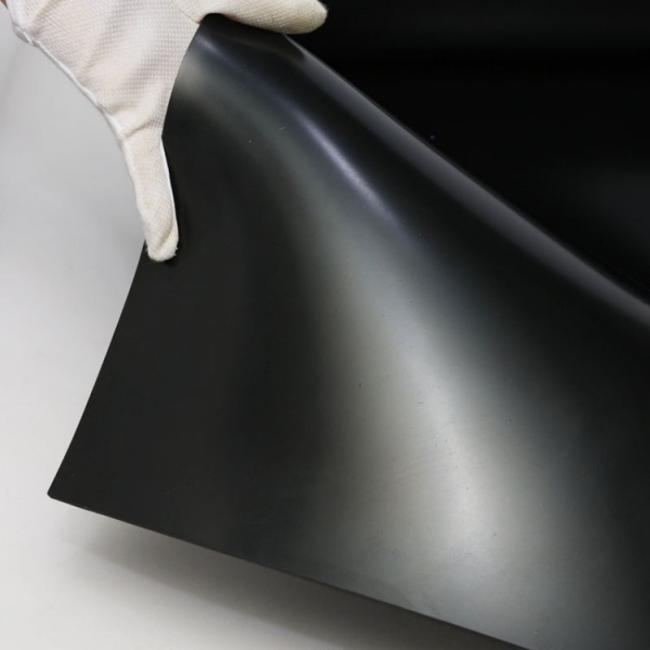
A rubber sheet is a versatile industrial material made by processing natural rubber, synthetic rubber (like SBR, NBR, EPDM, Neoprene, Silicone), or a blend of both. It is produced through mixing, calendering, or pressing raw rubber with additives (such as vulcanizing agents, fillers, and anti-aging agents) and then vulcanizing it into sheets of uniform thickness and specific properties.

2. Specifications
| Item | Details |
|---|---|
| Product Name | Rubber Sheet / Industrial Rubber Sheet |
| Definition | Flexible flat elastomer material produced by mixing, calendaring, vulcanizing rubber polymers and additives; used for sealing, cushioning, wear resistance, insulation and protection |
| Main Materials | Natural Rubber (NR), SBR, NBR (Nitrile), CR (Neoprene), EPDM, Silicone, Viton (FKM), Butyl (IIR) |
| Common Hardness | Shore A 40°–90° (customizable) |
| Standard Thickness | 1mm, 2mm, 3mm, 5mm, 6mm, 8mm, 10mm, 12mm, 20mm, etc. |
| Standard Size | 1m×1m, 1m×2m, 1.2m×5m, 1.2m×10m, 1.5m×10m, roll length 10m/20m/50m |
| Key Properties | High elasticity, tensile strength, tear resistance; waterproof, shock absorption; oil / chemical / heat / cold / weather resistance (depends on rubber type) |
| Surface Types | Smooth, textured, cloth-imprinted, ribbed, diamond-pattern |
| Typical Applications | Gaskets and seals; anti-vibration pads; conveyor lagging; waterproofing; tank lining; flooring mats; electrical insulation |
| Working Temperature | General: -20°C to +80°C
|
| Industries | Mining, construction, automotive, marine, food, electronics, engineering machinery |

3. Common Types and Their Primary Uses
Different base polymers create sheets for specific applications:
Natural Rubber (NR) Sheets: High elasticity and tensile strength. Used in gaskets, seals, and impact-absorbing pads.
Nitrile Rubber (NBR) Sheets: Excellent resistance to oils, fuels, and solvents. Common in automotive and machinery gaskets, fuel hoses.
Neoprene (CR) Sheets: Good weather, ozone, and moderate oil/fire resistance. Used in outdoor seals, weather stripping, and corrosion linings.
Ethylene Propylene Diene Monomer (EPDM) Sheets: Excellent weather, ozone, steam, and water resistance. Widely used in automotive weather seals, roofing membranes, and outdoor gaskets.
Silicone Rubber Sheets: High & low-temperature resistance (-60°C to 230°C), food/medical grade options, good electrical insulation. Used in food processing, medical devices, high-temperature gaskets, and insulation.
Fluorocarbon/Viton® (FKM) Sheets: Exceptional heat and chemical resistance. Used for demanding seals in aerospace, chemical, and automotive industries.
4. Main Applications Across Industries
Rubber sheets are critical components in:
Sealing and Gasketing: Creating static seals between flanges, covers, and housings in pipelines, machinery, and automotive assemblies.
Lining and Protection: Lining tanks, chutes, and hoppers in mining, chemical processing, and agriculture to protect against abrasion and corrosion.
Insulation: Serving as electrical insulation mats, thermal pads, and soundproofing layers in construction and electronics.
Flooring and Matting: Used for anti-fatigue mats, anti-slip surfaces, and vibration-damping pads in industrial and commercial settings.
Diaphragms and Membranes: Acting as flexible barriers in pumps, valves, regulators, and roofing systems.
Custom Fabrication: Cut, punched, or molded into specific parts like washers, seals, bushings, and rollers.

5. Standard Forms and Specifications
Rubber sheets are typically available in:
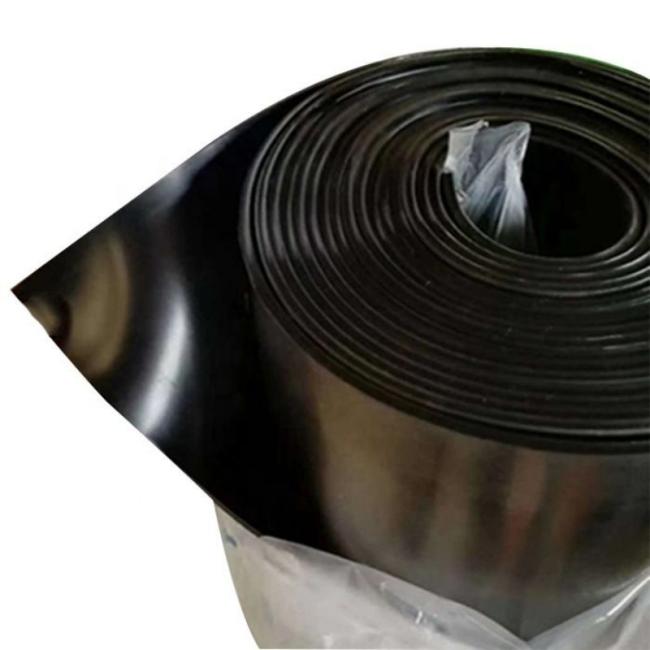
Rolls or Flat Sheets of standard width and length.
Various standard thicknesses (e.g., 1mm to 50mm or more).
Different hardness levels (measured in Shore A durometer, e.g., 40°A to 90°A).
Surface finishes: smooth, fabric-impressed, or textured.
May be reinforced with fabric or metal inserts for added strength.

6. Selection Considerations
Choosing the right rubber sheet involves evaluating:
Chemical/Medium Exposure: What fluids, oils, or solvents will it contact?
Temperature Range: Required operating minimum and maximum temperatures.
Pressure and Mechanical Stress: Load, compression, abrasion, or tearing forces.
Environmental Factors: Exposure to sunlight, ozone, oxygen, or weathering.
Regulatory Requirements: Need for FDA, NSF, UL, or other certifications.
Physical Properties: Required hardness, tensile strength, elongation, and elasticity.


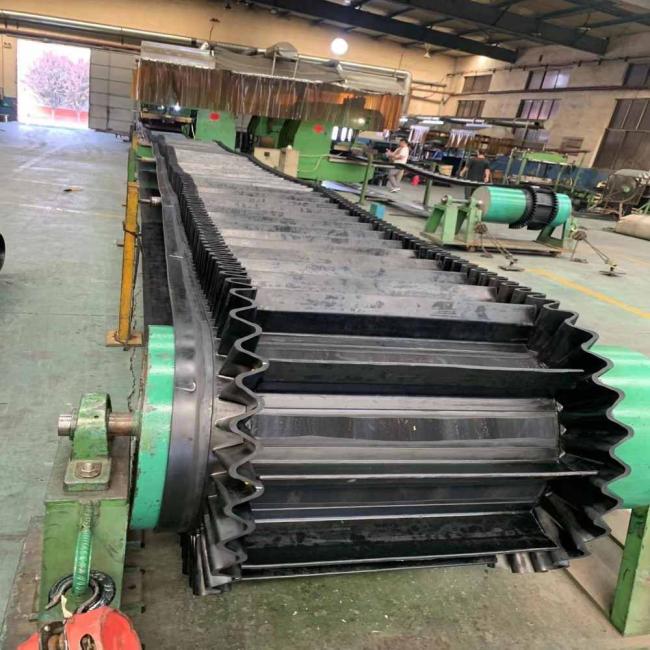
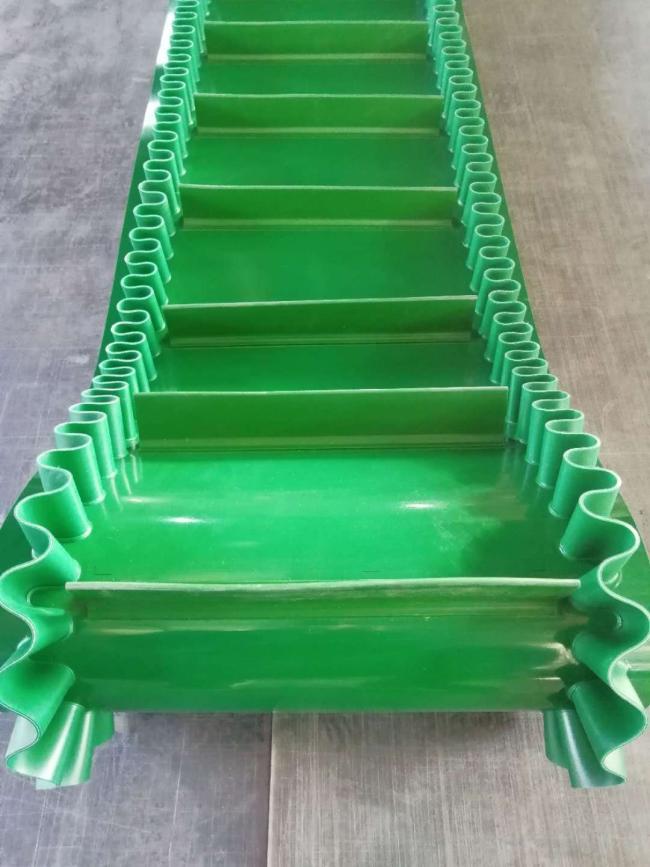
- Increased conveying angle (30-90 degrees)
- Compact footprint with low investment requirements
- High conveying capacity and lifting height
- Smooth transition from horizontal to inclined operation
- Ideal for powders, granules, small chunks, pastes, and liquids
- Energy efficient with simple structure and long service life


Get in Touch
Have questions about our products or want to discuss a custom order? Our team is ready to help you.