
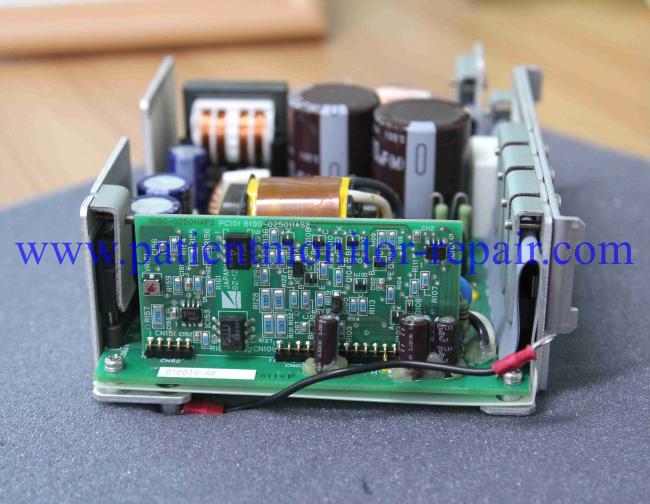
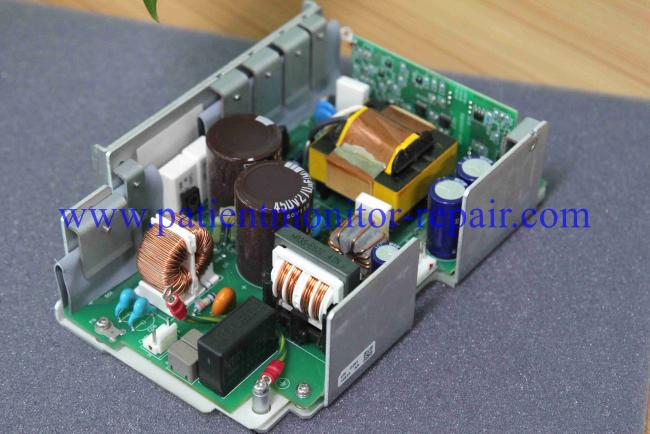
Power Supply NIHON KOHDEN Cardiolife TEC-5521C Defibrillator UR-0262 6190-021599C52
Here are the precautions for using the NIHON KOHDEN Cardiolife TEC-5521C defibrillator power supply, described in English bullet points:
Safety and Handling Precautions
-
Lethal Voltage Hazard: The power supply unit (PSU) contains extremely high voltages, both from the AC input and most critically from its internal high-voltage capacitor bank. This charge can remain lethal even after the unit is disconnected from power. Only qualified biomedical technicians trained in high-voltage safety may handle it.
-
Complete Power Disconnection: Before any inspection or service, you MUST:
-
Disconnect the defibrillator from the AC wall outlet.
-
Remove the main internal battery pack.
-
Follow the manufacturer's specific procedure to safely discharge all high-voltage capacitors completely. Never assume they are discharged.
-
-
Electrostatic Discharge (ESD) Protection: Handle the PSU as a static-sensitive device. Use an anti-static wrist strap and a grounded work surface to prevent ESD damage to its internal electronics.
-
Prevent Liquid Ingress: Never expose the power supply or the defibrillator to liquids or high humidity. This can cause catastrophic failure, short circuits, and pose a severe shock hazard.
-
Avoid Physical Damage: Do not drop or apply mechanical shock to the PSU. Internal components, particularly capacitors and transformers, can be damaged, leading to hidden failures.
Installation and Maintenance Precautions
-
Use Only Approved Replacements: Always replace with a NIHON KOHDEN-authorised power supply module. Using a non-approved or generic part can compromise the entire device's safety, performance, and regulatory compliance (e.g., FDA, CE Mark), potentially leading to inaccurate energy delivery or patient/operator harm.
-
Secure All Connections: After installation, ensure all internal power connectors and harnesses are firmly and correctly seated. A loose connection can lead to arcing, intermittent operation, or complete failure during a critical procedure.
-
Verify Battery Compatibility: Only use the manufacturer-specified battery type (e.g., the correct chemistry and model of sealed lead-acid or lithium-ion battery). An incorrect battery can damage the charging circuitry, cause overheating, or fail to provide adequate backup power.
-
Perform Full Functional Testing: After any service involving the PSU, a complete performance verification with a defibrillator analyzer is mandatory. This must include:
-
Testing AC operation and automatic switchover to battery power.
-
Verifying the battery charging function.
-
Calibrating and measuring the actual energy output (in joules) at multiple settings to ensure accuracy.
-
-
Observe Thermal Precautions: Ensure the defibrillator's ventilation ports are unobstructed. The PSU generates heat during operation and charging; proper airflow is essential to prevent overheating and premature failure.
Operational and Regulatory Precautions
-
Routine Performance Checks: Incorporate the PSU's critical functions (battery runtime, automatic switching, etc.) into the device's scheduled preventive maintenance and performance verification routines.
-
Documentation: Meticulously document all service actions, including the date, reason for replacement, part number of the new PSU, and results of all post-repair safety and performance tests. This is a vital part of the device's medical history.
-
No User Servicing: This is not a user-serviceable component. Clinical operators must never open the defibrillator casing. Any power-related issues (failure to charge, power faults, error messages) must be reported immediately to the biomedical engineering department or authorised service provider.
-
Proper Disposal: Follow local regulations for the disposal of electronic waste (e-waste). Defibrillator power supplies contain components that require specific recycling or disposal procedures.
Get in Touch
Have questions about our products or want to discuss a custom order? Our team is ready to help you.