
0.2–20mm Thick Corrosion Resistant Stainless Steel Sheet and Plate with Multi-Grade Selection for Construction & Industrial Use
This product is stainless steel sheet/plate covering multiple grades including 301, 304, 304L, 316, 316L and other austenitic/ferritic stainless steel series. It is designed for structural fabrication, construction engineering, industrial equipment, and decorative applications.
The material is supplied in coil or sheet form with thickness range from 0.2 mm to 20 mm, supporting cutting, bending, welding, punching, and decoiling services. It is widely used in environments requiring corrosion resistance, mechanical strength, and stable processing performance.
In construction and industrial manufacturing, carbon steel materials often face limitations in corrosion resistance, especially in:
- Coastal or high-humidity environments
- Chemical exposure conditions
- Outdoor structural systems
- Long-term architectural applications
To address these issues, stainless steel grades such as 304 and 316 are widely adopted due to their chromium-nickel alloy composition, which improves surface passivation and corrosion resistance.
Typical procurement drivers include:
- Requirement for corrosion-resistant structural materials
- Need for stable welding and forming performance
- Demand for multi-grade material flexibility in one supply chain
- Standardized sheet thickness for fabrication consistency
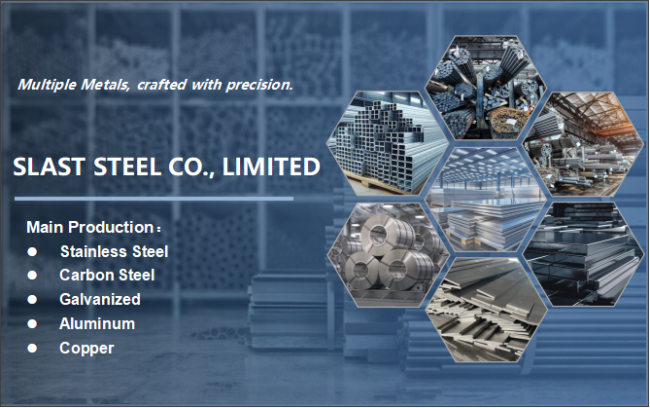
This OEM stainless steel sheet solution provides multi-grade material integration to support different engineering requirements within one procurement system.
Key supply capabilities include:
- Multi-grade selection: 201 / 304 / 316 / 316L / 321 / 430 / 904L etc.
- Thickness range: 0.2–20 mm
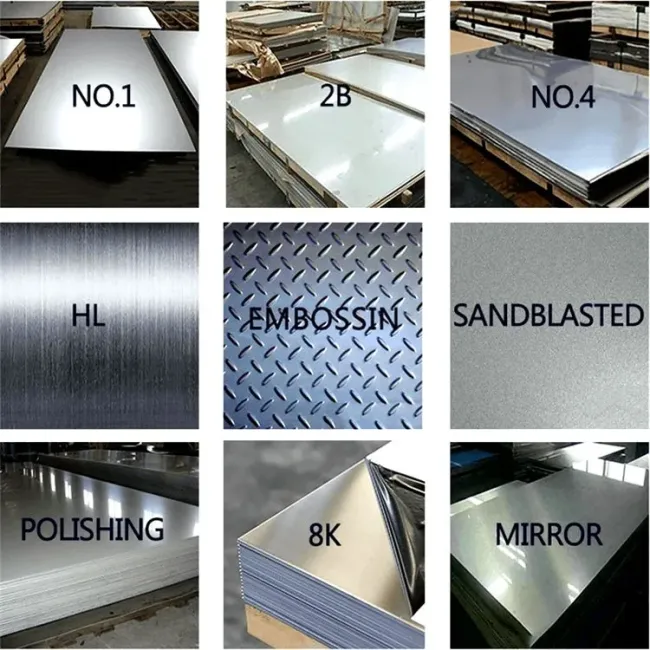
- Surface finish options: 2B / BA / 2D / No.3 / No.4
- Processing services:
- Cutting
- Bending
- Punching
- Welding support
- Decoiling
Engineering advantages:
- Unified material sourcing for mixed-grade projects
- Stable forming performance for fabrication lines
- Adaptable to both structural and decorative applications
- Reduced inventory complexity for distributors and contractors
| Item | Specification |
|---|---|
| Steel Grades | 301 / 304 / 304L / 316 / 316L / 321 / 310S / 430 etc. |
| Standard | ASTM, AISI, GB, JIS, EN |
| Thickness | 0.1–200 mm (product range varies by grade) |
| Width | 10–2000 mm or customized |
| Surface Finish | 2B / BA / 2D / No.3 / No.4 / 2BB |
| Tolerance | ±1% |
| Processing | Welding / Cutting / Bending / Punching / Decoiling |
Stainless steel sheets are widely used in engineering and industrial sectors:
- Curtain wall systems
- Structural cladding
- Roofing components
- Decorative panels
- Machine enclosures
- Chemical equipment housings
- Conveyor systems
- Support frames
- Railway components
- Shipbuilding structures
- Bridge auxiliary structures
- Interior panels
- Elevator surfaces
- Architectural finishes
Stainless steel corrosion resistance is achieved through the formation of a passive chromium oxide layer on the surface.
Key mechanism:
- Chromium (Cr ≥ 10.5%) reacts with oxygen
- Forms a dense oxide film (Cr₂O₃)
- Prevents further oxidation and rust propagation
316/316L grades further improve performance by adding molybdenum (Mo), enhancing resistance to:
- Chloride corrosion
- Marine environments
- Chemical exposure
This makes them suitable for coastal construction and industrial chemical systems.
Selection should be based on application environment and mechanical requirements:
- General-purpose corrosion resistance
- Suitable for construction and indoor/outdoor use
- Balanced cost and performance
- Enhanced chloride resistance
- Recommended for coastal or chemical environments
- Marine and offshore applications
- Higher work hardening rate
- Suitable for structural forming applications
- Ferritic grade, cost-efficient
- Used for decorative or non-critical environments
- Corrosion environment (dry / humid / coastal)
- Mechanical load requirement
- Welding complexity
- Surface finish requirement
- Budget constraints
304 offers general corrosion resistance, while 316 contains molybdenum for better performance in chloride and marine environments.
Yes, all listed grades support welding, with 316L providing improved weld corrosion resistance due to lower carbon content.
Common finishes include 2B, BA, No.4, 2D, and brushed surfaces depending on application requirements.
Construction, industrial machinery, chemical processing, transportation, and architectural decoration industries.
Yes, both thickness and width can be customized based on engineering drawings or application requirements.
Get in Touch
Have questions about our products or want to discuss a custom order? Our team is ready to help you.