
Electrolytic Tinplate Sheet / ETP Tinplate Iron For Packaging Materials
Electrolytic Tinplate Sheet / ETP Tinplate Iron For Packaging Materials
Electrolytic Tinning Electroplated Tin Sheet Steel SPTE Tin-plated Iron ETP tinplate
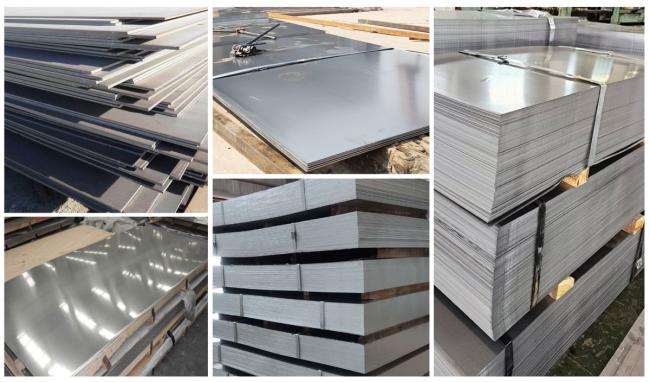
Tinplate, also known as tin-plated iron, is a common name for electroplated tin sheet steel. The English abbreviation is SPTE, which refers to cold-rolled low carbon steel sheet or steel strip plated with commercial pure tin on both sides. Tin mainly plays a role in preventing corrosion and rust. It combines the strength and formability of steel with the corrosion resistance, solderability and beautiful appearance of tin into one material, which has the characteristics of corrosion resistance, non-toxicity, high strength and good ductility.
Tinplate is an iron sheet plated with a layer of tin on the surface, which is not easy to rust, also known as tin-plated iron.
Product Description
Opacity
In addition to causing the deterioration of food, light can also cause changes in proteins and amino acids. And vitamin C is more likely to interact with other food ingredients when exposed to light, resulting in a large loss. According to research and analysis, the loss of vitamin C of milk in transparent glass bottles is 14 times higher than that of milk in dark bottles. Light will also cause oxidative odors in milk, and the cracking of radionuclides and methionine will lead to loss of nutritional value. The opaqueness of the tinplate allows the highest preservation rate of vitamin C
Good Sealing
The barrier properties of packaging containers to air and other volatile gases are very important for the preservation of nutritional content and sensory quality. Comparison of various juice packaging containers proves that the oxygen transmission rate of the container directly affects the browning of the juice and the preservation of vitamin C; the preservation of vitamin C in metal cans, glass bottles and aluminum foil glued layers and cartons with low oxygen transmission rate Better, among them, tin cans are the best.
Reduction of Tin
The tin on the inner wall of the tinplate will interact with the oxygen remaining in the container during filling, reducing the chance of the food ingredients being oxidized. The reduction effect of tin has a good preservation effect on the flavor and color of light-colored fruits and juices. Therefore, the juice cans packed in unpainted iron cans have better nutritional preservation and slight browning than those packed with other packaging materials. The acceptance of the flavor quality is better, and the shelf life is thus extended.
Source
Tinplate canned food, except for a few light-colored fruit and juice cans, mostly use empty cans painted inside to improve the corrosion resistance of the container; due to the electrochemical action of metal, painted canned canned food will have a small amount in storage. The iron is dissolved in the form of ferrous iron in sealed canned food, which is easily absorbed by the human body, and the content is about 1 to 10 ppm. As far as fruit and vegetable products are concerned, the raw material itself does not contain much iron. The iron content of iron cans is calculated as a 350 ml beverage can with an iron content of 5 ppm. Each can can provide 1.75 mg of iron, which is about 18 mg of human daily intake. one-tenth of . If the above fruit and vegetable juice beverage cans are rich in vitamin C, iron will be more easily absorbed, so iron canned food and beverages are a good source of iron, and the significance of providing nutrition to iron canned food is more profound.
Because of these properties, tinplate cans provide a closed system that is completely insulated from environmental factors except heat. Color-avoiding foods are deteriorated by light, oxygen, and moisture, and are not faded by aroma transmission or permeated by environmental odors. The food has better storage stability than other packaging materials, the preservation rate of vitamin C is the highest, and the preservation of nutrients is also the best.
USE
The application of tinplate is very wide, from packaging materials for food and beverages to grease cans, chemical cans and other miscellaneous cans, the advantages and characteristics of tinplate provide good protection of the contents in terms of physical and chemical properties.
Canned Food
Tinplate can ensure the hygiene of food, minimize the possibility of corruption, effectively prevent health risks, and also meet the needs of modern people for convenient and fast diet. It is used for tea packaging, coffee packaging, health care product packaging, and candy packaging, cigarette packaging, gift packaging and other food packaging containers preferred.
Beverage Can
Tinplate cans can be used to fill juice, coffee, tea and sports drinks, as well as cola, soda, beer and other beverages. The high degree of manufacturability of tinplate cans makes the cans of various types, whether tall, short, large, small, square or round, can meet the diverse needs and consumer preferences of today's beverage packaging.
Grease Tank
Light will trigger and accelerate the oxidation reaction of oil, reduce the nutritional value, and may also produce harmful substances. More seriously, it destroys oily vitamins, especially vitamin D and vitamin A.
The oxygen in the air promotes the oxidation of food oils, reduces protein biomass, and destroys vitamins. The opacity of tinplate and the insulating effect of sealing air are the best choice for packaging oily food.
Chemical Tank
The material of tinplate is strong, good protection, no deformation, shock resistance, fire resistance, it is the best packaging material for chemicals.
Spray Can
Tinplate cans that can withstand high temperature and high pressure, especially suitable for high-pressure filling spray cans.
Dry Jar
Variety of cans and beautifully printed biscuit buckets, stationery boxes and milk powder cans are all tinplate products.
Get in Touch
Have questions about our products or want to discuss a custom order? Our team is ready to help you.