
ASTM A387 Gr.12 Alloy Steel Plate 15CrMo /1.7337 / SCM415 Structure Alloy
ASTM A387 Gr.12 Alloy Steel Plate 15CrMo /1.7337 / SCM415 Structure Alloy
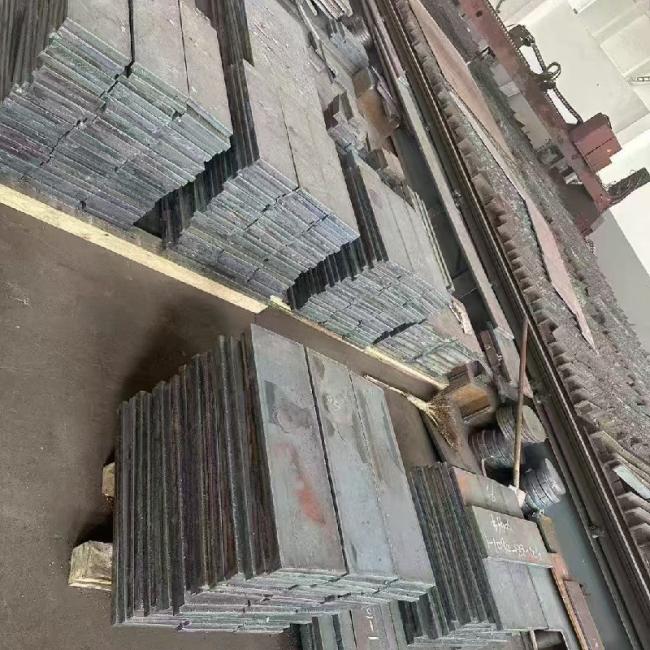
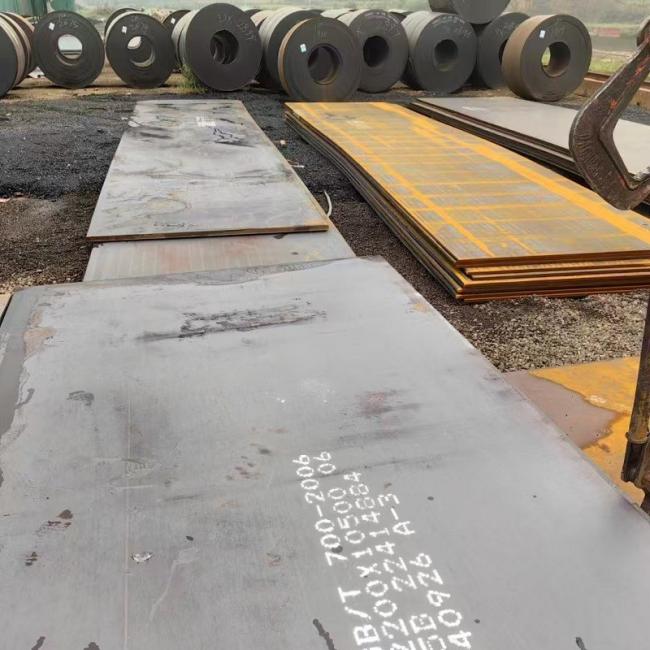
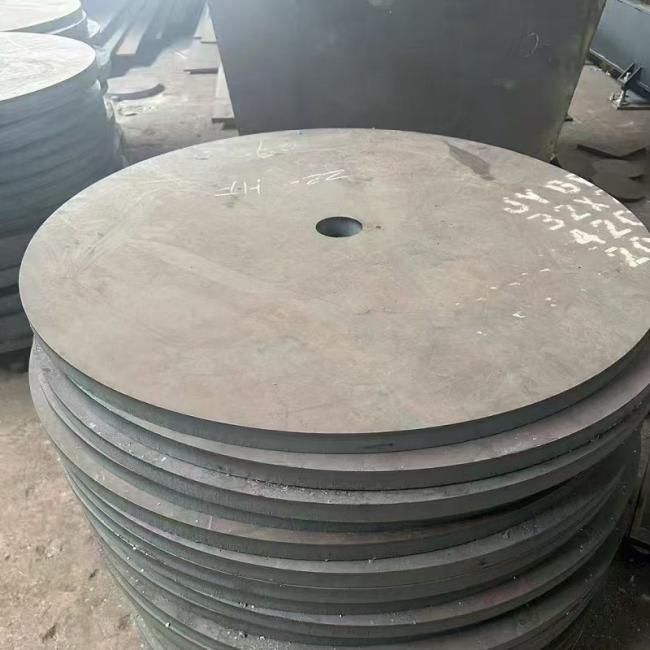
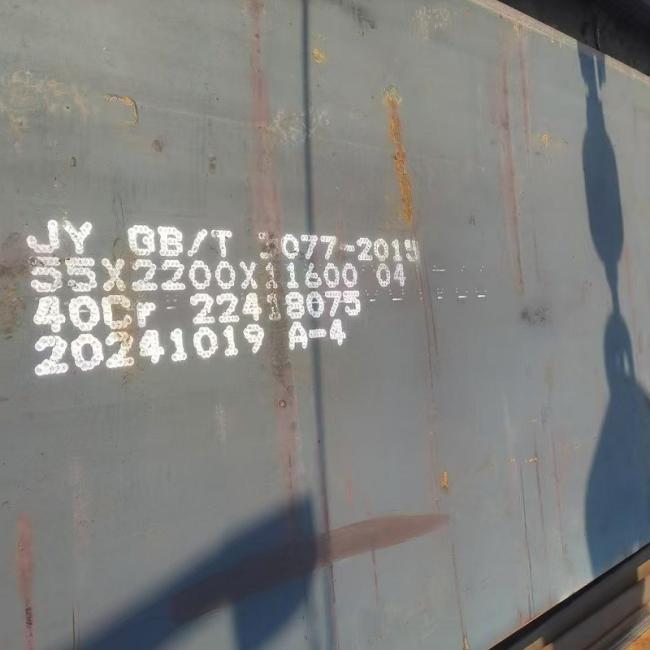
Products Specification
| Products Name | Alloy Steel Plate |
| Standard | ASTM A387 |
| Grade | Gr.2/Gr.12/Gr.11/Gr.22,22L/Gr.22,21L/Gr.5/Gr.9/Gr.91 |
| Thickness | 3.0 - 200mm |
| Width | 1500 - 2200mm or cutting any length as request |
| Length | 6 - 12m or cutting any length as request |
| Service | Cutting |
| MOQ | 500kgs |
ASTM A387 steel plate is a specification for chromium-molybdenum alloy steel plates intended primarily for use in elevated temperature service. These plates are designed for applications that require improved mechanical properties and resistance to oxidation, making them suitable for use in high-temperature environments.
Key Properties:
- Composition: ASTM A387 steel plates typically contain chromium (up to 9% or more) and molybdenum (up to 2.25% or more), which enhance their strength and corrosion resistance at high temperatures.
- Grades: The specification includes various grades, such as Grade 5, 9, 11, 12, 22, and 24, differentiated by their composition and intended use.
Applications:
ASTM A387 steel plates are commonly used in:
- Pressure vessels
- Heat exchangers
- Power generation equipment
- Piping systems in the oil and gas industry
- Chemical processing facilities
Overall, ASTM A387 steel plates are essential for applications requiring materials that can withstand high temperatures and corrosive environments, offering reliable performance and durability.
Chrome moly plates under ASTM A387 are available in several grades with varying alloy compositions. The commonly used grades include Gr 11, Gr 22, Gr 5, Gr 9, and Gr 91.
|
Grade |
Nominal Chromium Content, % |
Nominal Molybdenum Content, % |
|---|---|---|
|
2 |
0.50 |
0.50 |
|
12 |
1.00 |
0.50 |
|
11 |
1.25 |
0.50 |
|
22, 22L |
2.25 |
1.00 |
|
21, 21L |
3.00 |
1.00 |
|
5 |
5.00 |
0.50 |
|
9 |
9.00 |
1.00 |
|
91 |
9.00 |
1.00 |
With the exception of Grades 21L, 22L, and 91, each grade is offered in two classes based on tensile strength levels as outlined in the tensile requirements tables. Grades 21L and 22L are available only in Class 1, while Grade 91 is available solely in Class 2.
Refered Standards for ASTM A387 Alloy Steel Plate
ASTM
- A20/A20M: General requirements for pressure vessel plates.
- A370: Test specification for mechanical properties of steel
- A435/A435M: For straight-beam ultrasonic examination of steel plates
- A577/A577M: For ultrasonic angle beam examination of steel plates
- A578/A578M: For straight beam UT examination of rolled steel plates in special applications
- A1017/A1017M: Specification for pressure vessle plates of alloy steel, chromium-molybdenum-tungsten
AWS Specification
- A5.5/A5.5M: Low alloy steel electrodes for shield metal arc welding.
- A5.23/A5.23M: Low alloy steel electrodes for fulxes for submerged arc welding.
- A5.28/A5.28M: For gas shielded arc welding
- A5.29/A5.29M: For flux cored arc welding.
Comparison between ASTM A387 Grade 11 and Grade 22:
Composition:
- Grade 11: Contains approximately 1% chromium and 0.5% molybdenum.
- Grade 22: Contains about 2.25% molybdenum and 1% chromium. This higher molybdenum content enhances its strength and resistance to high temperatures.
Mechanical Properties:
- Grade 11:
- Minimum yield strength: 205 MPa (30,000 psi)
- Minimum tensile strength: 415 MPa (60,000 psi)
- Grade 22:
- Minimum yield strength: 240 MPa (35,000 psi)
- Minimum tensile strength: 550 MPa (80,000 psi)
Applications:
- Grade 11: Primarily used in applications requiring moderate strength at elevated temperatures, such as in boilers and pressure vessels.
- Grade 22: Typically used in more demanding applications where higher strength and resistance to creep are needed, including in power generation and chemical processing systems.
Get in Touch
Have questions about our products or want to discuss a custom order? Our team is ready to help you.