
30cm Cold Peel DTF Transfer Film Sheets Double Side Direct To Film T Shirt Printing
30cm*100m Dtf Transfer Film 75mic Double Side Matte Cold Peel Direct To Film For Garment
DTF (direct-to-film) printing is a process that allows you to print designs onto a special film and then transfer these designs onto textiles. This method is gaining popularity due to its versatility and high-quality results. Here’s a detailed breakdown of the DTF film process:

What is DTF film printing?
DTF printing involves printing a design onto a special transfer film, applying a powder adhesive to the printed film, and then using a heat press to transfer the design from the film to a fabric.

Key Components of DTF Printing
-
DTF Printer:
- A specialized printer that can handle the transfer film and use appropriate inks.
- Usually a modified inkjet printer.
![]()
-
DTF Film:
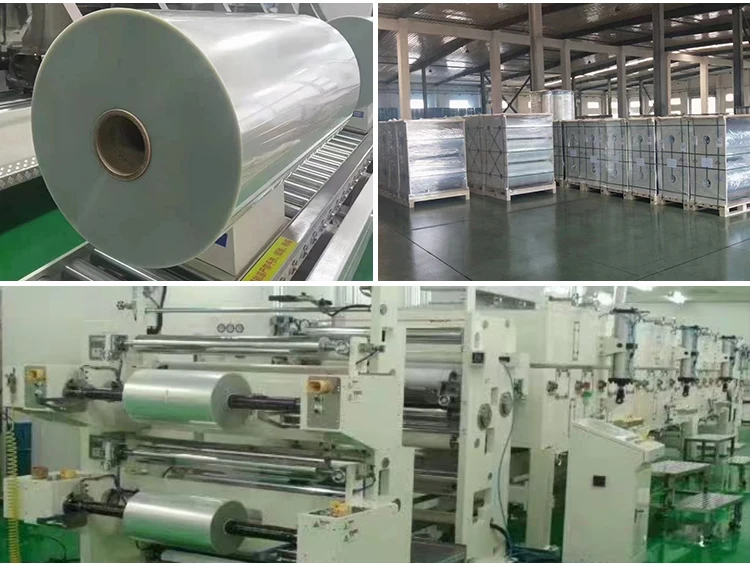
- A special PET (polyethylene terephthalate) film designed for DTF printing.
- The film is typically transparent and has a smooth surface to hold the printed design.
-
DTF Inks:
- Special pigment inks used for DTF printing.
- These inks must be compatible with the printer and the film.
![]()
-
Adhesive Powder:
- A powder that is applied to the printed design on the film.
- The powder adheres to the wet ink and acts as the adhesive that bonds the design to the fabric during the heat transfer process.
![]()
-
Heat Press:
- A machine used to transfer the design from the film to the fabric.
- It applies heat and pressure to activate the adhesive powder and bond the design to the fabric.


Steps in the DTF Printing Process

-
Design Preparation:
- Create or select a design using graphic design software.
- Ensure the design is in the correct format and resolution for printing.
-
Printing the Design:
- Load the DTF film into the printer.
- Print the design onto the film using DTF inks.
- The design is printed in a mirrored image so that it transfers correctly onto the fabric.
-
Applying Adhesive Powder:
- Sprinkle adhesive powder onto the wet ink on the printed film.
- Ensure an even coating of powder over the entire design.
- Shake off any excess powder.
-
Curing the Powder:
- Cure the adhesive powder by placing the film under a heat source or using a curing oven.
- The powder melts and forms a solid adhesive layer over the ink.
-
Transferring the Design:
- Place the film with the cured design onto the fabric.
- Use a heat press to transfer the design from the film to the fabric.
- Apply the appropriate temperature, pressure, and time settings.
-
Peeling the Film:
- After the heat press cycle, let the fabric cool down.
- Carefully peel the film away, leaving the design adhered to the fabric.
Advantages of DTF Printing
- Versatility: Can be used on a variety of fabrics, including cotton, polyester, blends, and more.
- High Quality: Produces vibrant colors and detailed designs.
- Durability: Designs transferred using DTF printing are typically durable and withstand multiple washes.
- No Pretreatment Needed: Unlike some other printing methods, DTF does not require pretreatment of the fabric.
![]()

Considerations for DTF Printing
- Equipment Cost: Initial setup can be expensive due to the cost of specialized printers and heat presses.
- Learning Curve: There is a learning curve to mastering the process and achieving consistent results.
- Maintenance: Regular maintenance of the printer and other equipment is essential to prevent issues and ensure longevity.



Get in Touch
Have questions about our products or want to discuss a custom order? Our team is ready to help you.