
PES MBR Membrane 187×1399mm 16m2 Surface Area Ultrafiltration Membrane
Price:
Negotiable
MOQ:
5
Delivery Time:
Negotiable
Brand:
SINOMEMB
Product Description
Normal Operation and Maintenance for MBR Membrane Element Size SNU-HI-1-C0650A


Sewage Treatment Plant with UF MBR System for Water Purification including adjustment tank, MBR tank, treated water tank, and Membrane Bioreactor technology.
Membrane bioreactor (MBR) is an advanced wastewater treatment technology that integrates membrane separation processes with biological treatment systems. This innovative solution has gained popularity due to its numerous advantages and wide range of applications.
Working Principle
In an MBR system, microorganisms break down organic matter, nitrogen, and other pollutants in the wastewater. The membrane separation unit, consisting of microfiltration (MF) or ultrafiltration (UF) membranes, separates treated water from biomass and suspended solids. The membranes' small pores allow water and small solutes to pass while retaining microorganisms and large molecules, producing high-quality effluent with low turbidity.

Specifications
| Model | Size L*W(mm) | Membrane area(㎡) | Water amount(㎡) | Water turbidity (NTU) | Suspended solids (mg/l) |
|---|---|---|---|---|---|
| FPA1 | 810*525 | 8 | 1.0~1.2 | <1 | <10 |
| FPA2 | 1050*525 | 10 | 12~1.5 | <1 | <10 |
| FPA3 | 1050*535 | 16 | 2.0~2.5 | <1 | <10 |
| Condition | New |
| Applicable Industries | Hotels, Garment Shops, Building Material Shops, Manufacturing Plant, Machinery Repair Shops, Food & Beverage Factory, Farms, Restaurant, Home Use, Retail, Food Shop, Printing Shops, Construction works, Energy & Mining, Food & Beverage Shops, Other, Advertising Company |
| Showroom Location | South Korea, Chile, UAE, Colombia, Algeria, Sri Lanka |
| Video outgoing-inspection | Provided |
| Machinery Test Report | Provided |
| Marketing Type | New Product 2020 |
| Core Components | Engine, Motor, PLC |
| Place of Origin | Shandong, China |
| Brand Name | Spark |
| Material | Wooden case |
| Weight | According to your order |
| Size | According to your order |
| Power | 0.5 |
| Warranty | 1 Year |
| Productivity | 1000L/Hour |
| Weight (KG) | 800kg |
| Product name | UF Membrane |
| Material | SS316L |
| Application | Water Purification |
| Type | Pure Water Treatment System |
| Certification | CE Certificate |
| Keywords | Waste Water Treatment |
Equipment Working Process
1. Pretreatment Stage
- Bar Screen/Filter: Removes large debris from wastewater to prevent clogging of downstream equipment.
- Equalization Tank: Balances flow rate and homogenizes wastewater composition for stable treatment conditions.
- Primary Sedimentation Tank: Uses gravity to settle sand and large suspended solids, reducing biological treatment load.
2. Biological Treatment Stage
Activated sludge or biofilm degrade organic pollutants (COD, BOD), nitrogen, and phosphorus through:
- Anoxic Tank: Denitrifying bacteria convert nitrates into nitrogen gas under anaerobic conditions.
- Aerobic Tank: Aeration promotes aerobic microorganisms that decompose organic pollutants and convert ammonia to nitrates.
- Anaerobic Tank: Anaerobic bacteria break down complex organics and facilitate biological phosphorus removal.
3. Advanced Treatment Stage
The MBR process replaces conventional secondary clarifiers, achieving efficient solid-liquid separation through membrane interception of remaining suspended solids and microorganisms.
4. Disinfection and Effluent
Treated water undergoes disinfection (UV irradiation or sodium hypochlorite) to meet discharge standards or reuse requirements (irrigation, toilet flushing).
Note: The MBR process integrates membrane filtration with biological treatment, achieving higher effluent quality and more compact system design than conventional methods.

Our Advantages
- High-Quality Effluent: Membrane filtration removes suspended solids, bacteria, and viruses, producing effluent that meets strict discharge standards.
- Compact Design: Requires 50% less space than traditional systems by eliminating large settling tanks.
- Low Sludge Production: Complete digestion of organic matter results in significantly less sludge than conventional methods.
- Shock Load Resistance: Maintains stable performance despite influent wastewater fluctuations.
Applications
Municipal Wastewater Treatment: Upgrades treatment processes and improves effluent quality for discharge or decentralized treatment.
Industrial Wastewater Treatment: Customizable solutions for food/beverage, textile, pharmaceutical, and electronics industries.
Reclaimed Water Production: Produces high-quality effluent suitable for non-potable reuse, addressing water shortages.
Company Profile
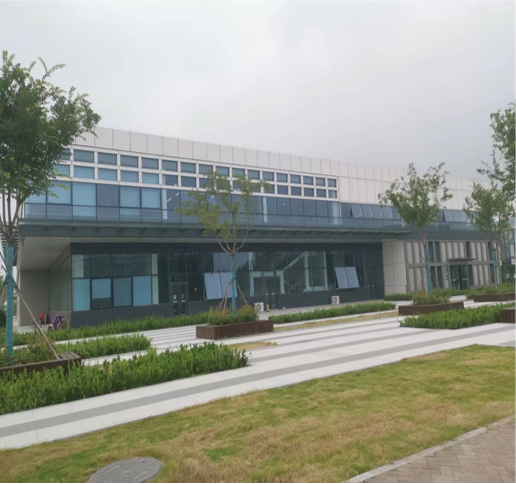
We are a high-tech enterprise specializing in reverse osmosis membrane, ultrafiltration membrane, nanofiltration and MBR membrane assembly, with core technology in membrane component preparation. Our products include reverse osmosis, nanofiltration, ultrafiltration, and MBR membrane components for water purification, medical pharmaceuticals, municipal water supply, and industrial applications.
MBR Membrane Technology: Frequently Asked Questions
Q1: What does MBR stand for?
A: MBR = Membrane Bio-Reactor. It combines biological wastewater treatment with ultrafiltration membranes for superior effluent quality.
Q2: How does MBR differ from conventional activated sludge?
A: Our MBR replaces secondary clarifiers with 0.1μm membranes, achieving 10x higher MLSS concentrations and producing reusable water (≤5 NTU turbidity).
Q3: What contaminants can MBR remove?
A: Removes 99.9% bacteria, 95%+ viruses, 100% suspended solids, and reduces COD/BOD by 90-98%. Ideal for nutrient (N/P) removal when paired with anaerobic zones.
Q4: How often do membranes need replacement?
A: Typical service life = 5-8 years with proper maintenance. Our PVDF membranes feature reinforced fibers resisting abrasion and chemical degradation.
Q5: Is chemical cleaning required?
A: Automated CIP (Clean-in-Place) every 3-6 months using <0.5% NaOCl/CA solution. Daily backwashing maintains permeability.
UF Specifications and Models
| Model | Membrane material | Operation mode | Membrane element size (mm) | Effective membrane area (㎡) | Nominal filter pore size (μm) |
|---|---|---|---|---|---|
| SNU-HI-1-C0650A | PES | inside-out | Φ187*1399 | 16 | 0.01 |
| SNU-HI-1-NX55 | PES | inside-out | Φ225*1902 | 55 | 0.02 |
Note: The element model (membrane performance, appearance size) not mentioned can be customized according to the order quantity.
Similar Products
Get in Touch
Have questions about our products or want to discuss a custom order? Our team is ready to help you.
Company
Sinomemb Environment Technology (beijing) Co.,
Location
1305, Block B, Zhongtiejian Plaza, Beijing, China
Contact Person
Gary Gao