
(C3H5NO)n Nonionic Polyacrylamide Wastewater Treatment
Nonionic Polyacrylamide Printing And Dyeing Industry Water Treatment Chemical Additives
Product Description
Nonionic polyacrylamide is a water-soluble polymer or polyelectrolyte. Its molecular chain contains a certain number of polar groups, so it can absorb solid particles suspended in water and it can bridge between particles or make particles agglomerate to form large flocs through charge neutralization. Therefore, it can accelerate the sedimentation of particles in the suspension. It has a very obvious effect of speeding up the clarification of the solution and promoting filtration.
Specification
|
Item
|
Index
|
|
Other Names
|
Non-ionic polyacrylamide
|
|
MF
|
(C3H5NO)n
|
|
Purity
|
99%
|
|
Place of Origin
|
China
|
|
Type
|
Flocculating Agent
|
|
Usage
|
Coating Auxiliary Agents, Paper Chemicals, Water Treatment Chemicals, etc.
|
Application Areas
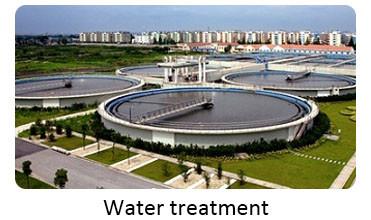 |
As a flocculant, polyacrylamide is mainly used in solid-liquid separation processes, including sedimentation, clarification, concentration and sludge dewatering processes.
Application: Urban sewage Industrial wastewater Mixed sewage |
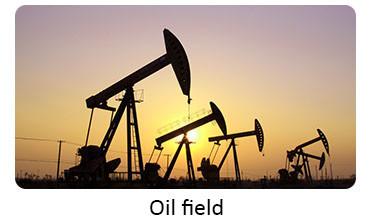 |
Additive polyacrylamide is a polymer developed for oilfield drilling and production. It has the characteristics of high temperature resistance, salt resistance, and high molecular weight. It is widely used in drilling, completion, cementing, fracturing, tertiary oil recovery and other oilfield drilling operations. |
 |
Polyacrylamide is mainly used for mineral mining and processing and tailings treatment. Its purpose is to quickly settle and clarify overflow, and to improve the efficiency of solid-liquid separation and recovery. |
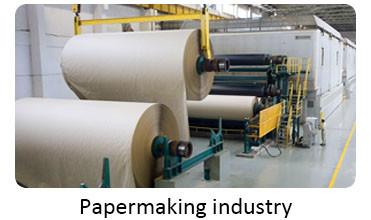 |
In the papermaking process, polyacrylamide can effectively prevent fiber agglomeration and improve the uniformity of the paper. It can promote fiber retention in the filter agent, reduce production costs, and improve paper quality and paper machine efficiency. |
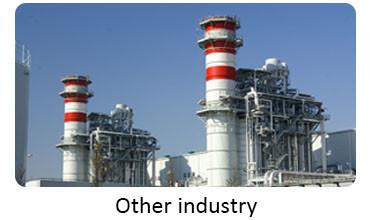 |
Polyacrylamide is widely used in textiles, printing and dyeing, sugar making, sewage treatment, etc. It can also be used as a binder or thickener, and sometimes can prevent soil erosion and improve soil structure. |


Get in Touch
Have questions about our products or want to discuss a custom order? Our team is ready to help you.