
Industrial Synthetic Resin Bond Mesh Diamond Powder Grade BRD20
FEPA D46 to D252 Monocrystalline Industrial Diamond Dark Green
Description:
Diamond is a mineral composed of carbon. It is an allotrope of graphite with a chemical formula of C. It is also the original body of common diamonds. Diamond is the hardest substance naturally occurring in nature. Graphite can form synthetic diamonds under high temperature and high pressure. Diamond has a wide range of uses, such as handicrafts, cutting tools in industry, and it is also a precious gemstone.
Diamonds come in various colors, from colorless to black, with colorless ones being particularly preferred. They can be transparent, translucent or opaque. Many diamonds are yellowish, which is mainly due to impurities in the diamonds. The refractive index of diamond is very high, and the dispersion performance is also very strong, which is why the diamond reflects colorful flashes. Diamond will emit blue-green fluorescence under X-ray irradiation. The primary diamond ore is only produced in the Kimberlite tube or a few lamprophyre rocks. Kimberlite is their parent rock, and diamonds in other places are transported by rivers and glaciers. Diamond is generally granular. If the diamond is heated to 1000°C, it will slowly turn into graphite.
BRD series are polycrystalline-like diamond graine, mainly used in resin bond diamond grinding wheels. Harmony Industry Diamond (H.I.D.) boron doped technology largely improve BRD series bond strengh accordingly, elevate bond retention capabilities to crystal. Polycrystalline-like diamond graine is composed of sub-crystals with mosaic structure that provides the graine with irregular shape and rough surface. Polycrystalline-like diamond can keep consistency of self-sharpening and sharp cutting edges.
Available Size of Resin Bond Mesh Diamond Powder:
| US Mesh | 60/80 | 80/100 | 100/120 | 120/140 | 140/170 | 170/200 | 200/230 | 230/270 | 270/325 | 325/400 |
| FEPA | D252 | D181 | D151 | D126 | D107 | D91 | D76 | D64 | D54 | D46 |
| BRD10 | √ | √ | √ | √ | √ | √ | √ | √ | √ | √ |
| BRD20 | √ | √ | √ | √ | √ | √ | √ | √ | √ | √ |
| BRD30 | √ | √ | √ | √ | √ | √ | √ | √ | √ | √ |
| BRD-Ni | √ | √ | √ | √ | √ | √ | √ | √ | √ | √ |
Abrasive Materials Mesh Size Comparison List
| HARMONY | 国际标准 | 欧洲共同体 | 美国 U.S.A | 日本 JAPAN | 理论基准尺寸 | 俄罗斯 RUSSIA | ||||||||
| GB/T6406-1995 | ISO | FEPA | ANIS B74.16-1971 | JIS4130-1988 | Theoretlcal | 9206-80 | ||||||||
| Baslc Size | ||||||||||||||
| Grain No | Grain Size | Grain No Ⅰ | Grain No Ⅱ | Grain Size | Grain No | Grain Size | Grain No | Grain Size | Grain No | Grain Size | Inch | Mlllmeter | Grain No | Grain Size |
| 40/50 | 425/300 | 427 | 40/50 | 425/300 | B/427 | 355/300 | 40/50 | 425/300 | 40/50 | 425/300 | 0.015 | 0.378 | 500/400 | 500/400 |
| 50/60 | 300/250 | 301 | 50/60 | 300/250 | B/301 | 300/250 | 50/60 | 300/250 | 50/60 | 300/250 | 0.011 | 0.288 | 400/315 | 400/315 |
| 60/80 | 250/180 | 252 | 60/80 | 250/180 | B/252 | 250/180 | 60/80 | 250/180 | 60/80 | 250/180 | 0.009 | 0.226 | 250/200 | 250/200 |
| 80/100 | 180/150 | 181 | 80/100 | 180/150 | B/181 | 180/150 | 80/100 | 180/150 | 80/100 | 180/150 | 0.0069 | 0.174 | 200/160 | 200/160 |
| 100/120 | 150/125 | 151 | 100/120 | 150/125 | B/151 | 150/125 | 100/120 | 150/125 | 100/120 | 150/125 | 0.0058 | 0.148 | 160/125 | 160/125 |
| 120/140 | 125/106 | 126 | 120/140 | 125/106 | B/126 | 125/106 | 120/140 | 125/106 | 120/140 | 125/106 | 0.0048 | 0.123 | 125/100 | 125/100 |
| 140/170 | 106/90 | 107 | 140/170 | 106/90 | B/107 | 106/90 | 140/170 | 106/90 | 140/170 | 106/90 | 0.0041 | 0.103 | 100/80 | 100/80 |
| 170/200 | 90/75 | 91 | 170/200 | 90/75 | B/91 | 90/75 | 170/200 | 90/75 | 170/200 | 90/75 | 0.0034 | 0.086 | 80/63 | 80/63 |
| 200/230 | 75/63 | 76 | 200/230 | 75/63 | B/76 | 75/63 | 200/230 | 75/63 | 200/230 | 75/63 | 0.003 | 0.075 | 63/50 | 63/50 |
| 230/270 | 63/53 | 64 | 230/270 | 63/53 | B/64 | 63/53 | 230/270 | 63/53 | 230/270 | 63/53 | 0.0026 | 0.066 | 50/40 | 50/40 |
| 270/325 | 53/45 | 54 | 270/325 | 53/45 | B/54 | 53/45 | 270/325 | 53/45 | 270/325 | 53/45 | 0.0022 | 0.057 | ||
| 325/400 | 45/38 | 46 | 325/400 | 45/38 | B/46 | 45/38 | 325/400 | 45/38 | 325/400 | 45/38 | 0.0019 | 0.048 | ||
Optical Properties of Diamond:
1) Brilliance diamond has extremely high reflectivity, its reflection critical angle is small, the range of total reflection is wide, light is prone to total reflection, and the amount of reflected light is large, thus producing high brightness.
(2) Scintillation: The flicker of diamond is flash, that is, the reflection and flash of white light on its surface when the diamond or the light source and the observer move relatively. Colorless, transparent, well-crystallized octahedron or curved poly-shaped diamond, even without cutting and grinding, it can show good flashing light.
(3) Dispersion or fire: Diamond's diverse crystal faces are like a prism, which can decompose the white light that enters the crystal through refraction, reflection and total reflection into the constituent colors of white light-red, orange, yellow, green, Blue, indigo, purple and other shades.
(4) Luster: The outstandingly hard, smooth and shiny crystal surface or cleavage surface of corundum has a particularly strong reflection effect on white light, and this very characteristic reflection effect is called diamond luster.
Series of Harmony Resin Bond Diamond Powder
- Resin Bond Diamond Powder Premium Grade BRD30
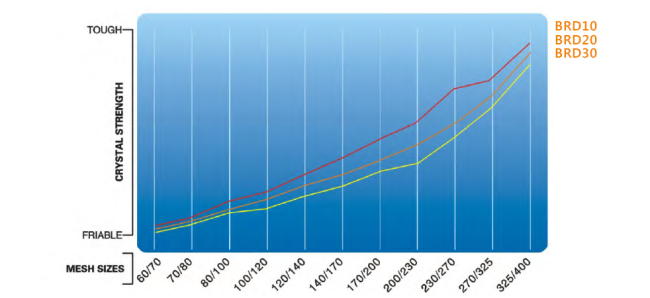
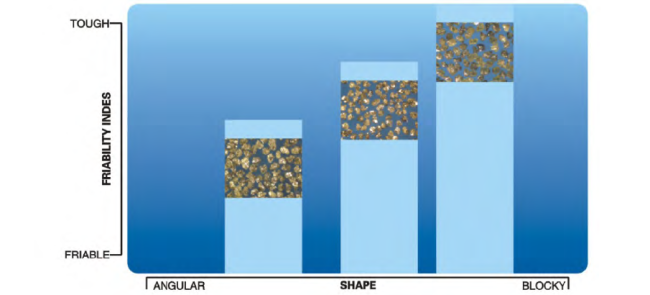
Description: Light grey color, medium tough and micro-friable multinano-crystal, lower toughness but more friable than BRD 20, good self sharpen ability, premium grade to improve the efficiency.

- Resin Bond Diamond Powder Standard Grade BRD20
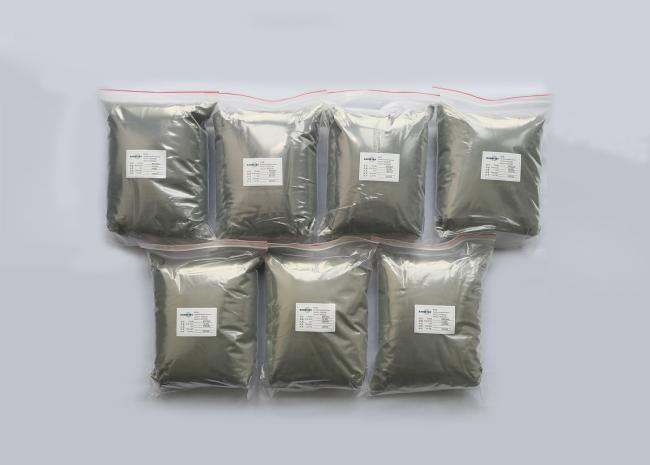
Description: Dark green color, medium tough and micro-friable multinano-crystal, irregular sharp, perfect self sharpen ability. Best choice for maintaining grinding performance and tool life.

- Resin Bond Diamond Powder Economic Grade BRD10
Description: Light green color, blocky, the most tough product among RBD series. Widely used for heavy duty application demanding long wheel life.

Characteristics:
Strong cutting force: There are a large number of sharp cutting edges on the surface of particles, and the cutting force can reach 2-4 times that of single crystal diamond powder.
High polishing accuracy: The cutting edge of single crystal diamond powder is large and hard, which is prone to deep scratches. The cutting edge of polycrystal-like diamond powder is small and its hardness is low. The Ra value of workpiece surface after polishing decreases significantly.
Strong grip strength: rough surface of particles and stronger bonding with binder can significantly improve grip strength of abrasives in various diamond products and improve service life.
Ti-TTi Comparision of BRD Mesh Series:
Shape Comparision of BRD Mesh Series:
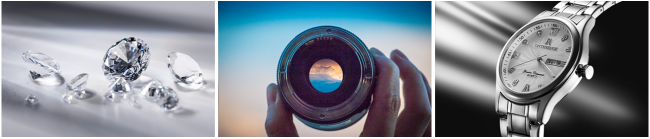
Application for Resin Bond Diamond Powder:
Precision lapping and polishing of SiC and Al2O3 wafers;
Grinding and polishing of ceramic materials;
Precision lapping and polishing of stainless steel, aluminium alloy and other metal materials.
Get in Touch
Have questions about our products or want to discuss a custom order? Our team is ready to help you.