
15T/H 20T/H 30T/H Floating Fish Pellets Plant Sinking Fish Aqua-feed Processing Granulator For Animal Feedstuff Pet Feed Making Machine
Table of Content
1. Introduction to Aqua-feed Production Line
2. Aqua-feed Processing Stages
3. Our Advantages
4. FAQ
1. Introduction to Aqua-feed Production Line
1.1 Product Categories
Aqua-feed processing covers three major categories:
Freshwater fish feed (e.g., four major Chinese carp species)
Marine fish feed (e.g., grouper, sea bass)
Crustacean feed (e.g., shrimp, crabs)
1.2 Key Process Characteristics
Premium raw materials: High-protein biological ingredients (fishmeal, shrimp shell powder), superior fat sources, low-fiber formulations.
Precision processing: Ultra-fine grinding (80-120 mesh vs. 40-60 mesh for livestock feed).
Nutrient preservation: Low-temperature conditioning, vacuum coating to retain heat-sensitive nutrients.
Advanced equipment: Dual-shaft differential conditioners, extrusion systems for high-fat (6-12%) and high-protein (28-45%) formulations.
1.3 Technical Requirements
Precise temperature control, corrosion-resistant materials, and intelligent batching systems.
Full-process quality control from raw material pretreatment to post-conditioning.

2. Aqua-feed Processing Stages
2.1 Core Solutions
Project planning: Factory layout design based on raw material properties and product positioning.
Process design: Modular integration of extrusion-drying-post-conditioning processes.
Equipment matrix: Twin/single-screw extruders (1-20T/h) + micro-extrusion systems for fry feed.
Smart control: Graded configurations from manual batching to DCS automation.
Technical services: EPC turnkey projects, commissioning, and continuous process optimization.
2.2 Key Equipment & Features
Extrusion systems:
Floating feed twin-screw extruders (1-20T/h)
Sinking/slow-sinking feed single-screw extruders (1-15T/h).
Micro-extruders for fry feed (particle size: 0.5-1.2mm).
2.3 Process advantages
Product range: Carp feed, marine fish extruded feed, shrimp/crab specialty feed, fry starter feed.
Density control: Adjustable expansion rate (30-60%), precise density regulation (300-600g/L).
AI integration: Raw material recognition, self-learning extrusion parameters, energy optimization.
2.4 Aqua-feed Processing Sections
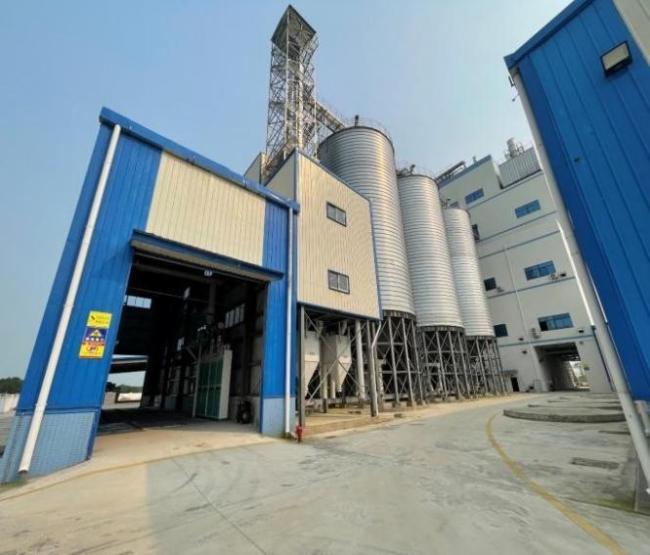
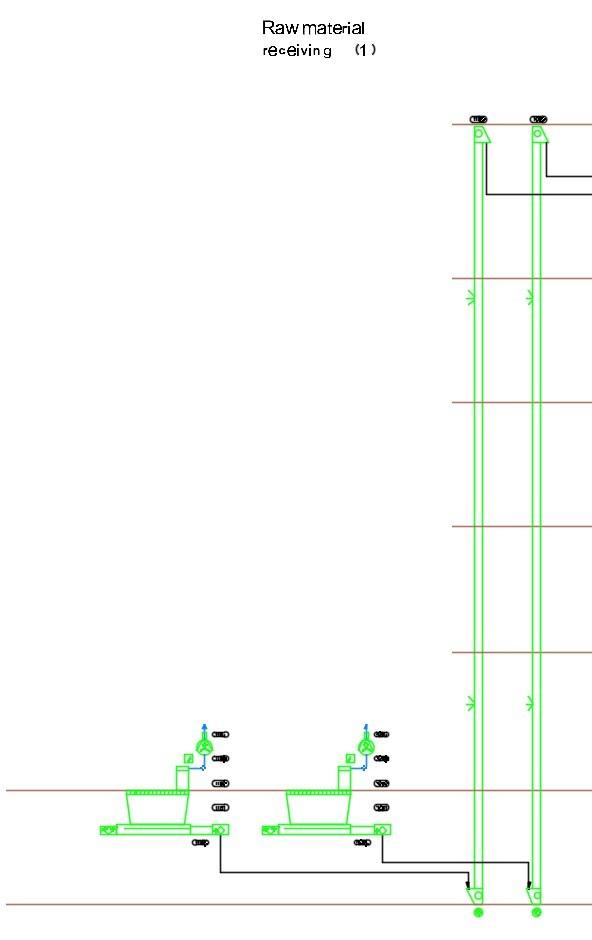
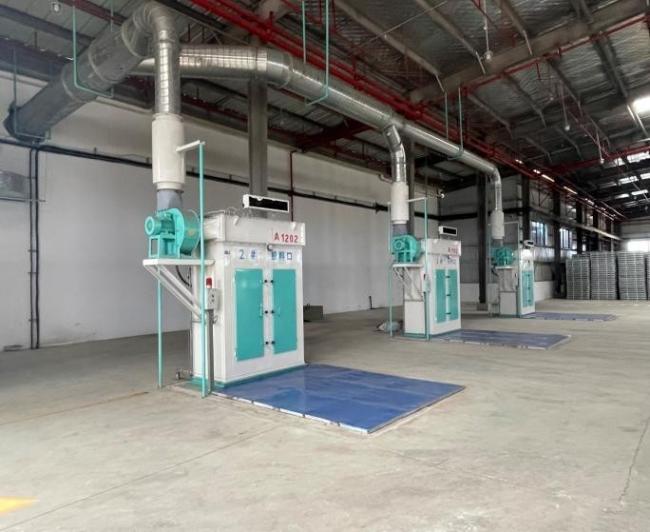
2.4.1 Material Receiving
- Closed unloading sheds with hydraulic tipping and high-suction dust removal.
- Dual indoor feeding ports (granular and powdered materials).
- Large closed feeding pits with automatic dust suppression.
|
|
|
|
|
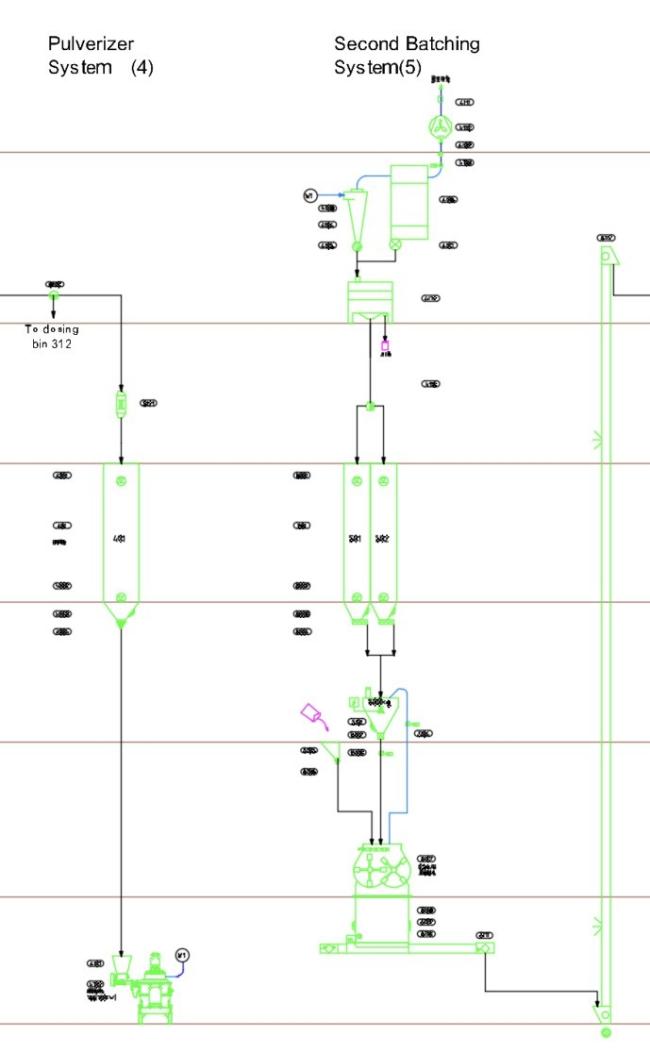
2.4.2 Grinding
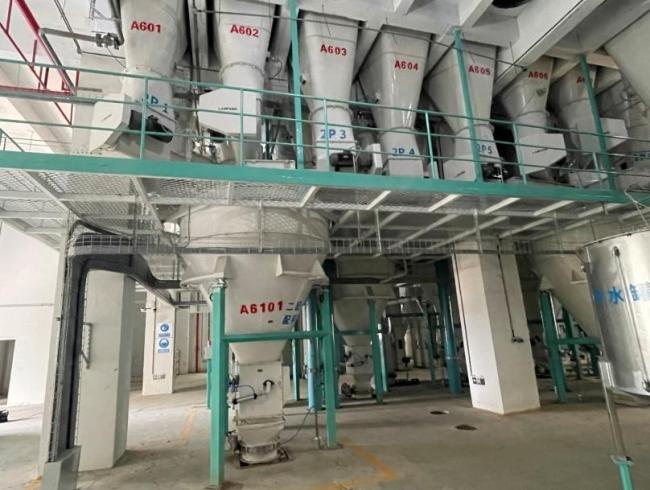
Two grinding bins (20m³ capacity), equipped with iron-removal feeders and noise-reduction systems.
|
|
|
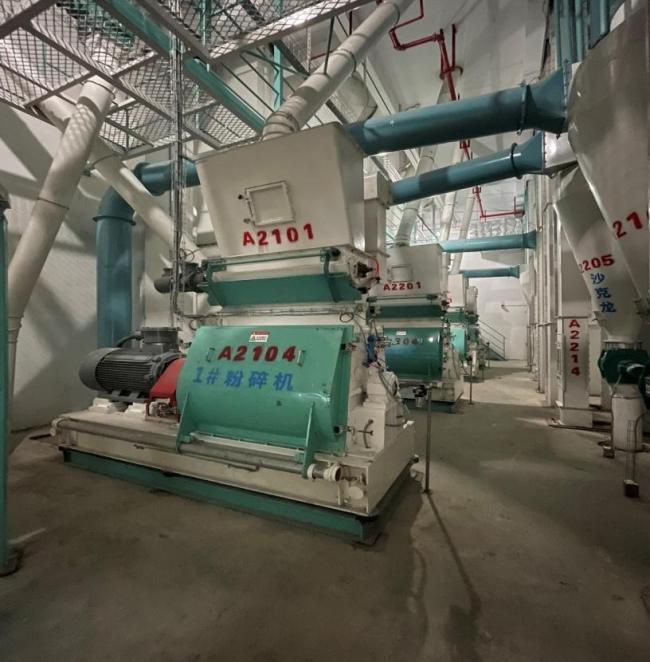
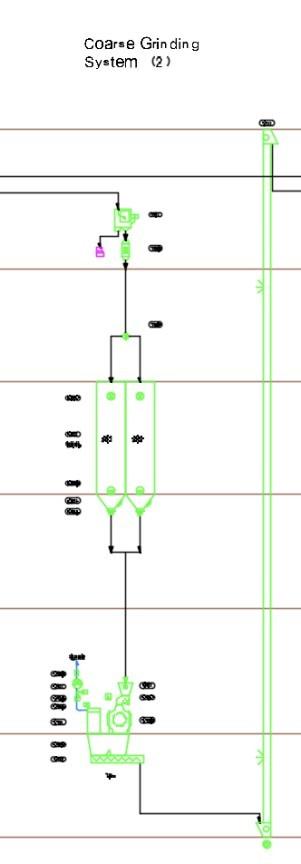
Iron-removal feeder: Shields grinder components (screens, hammers), minimizing wear.
Fan silencers: Reduce operational noise.
Pulse filters + sealed screw conveyors: Block air leaks, boost efficiency, cut costs.
Quality Control
Pipeline sampler: In-process checks and control room sampling.
Flexibility
Pneumatic valves: Switch bins/grinders for flexible workflows.
Level sensors: Signal grinding completion to operators.
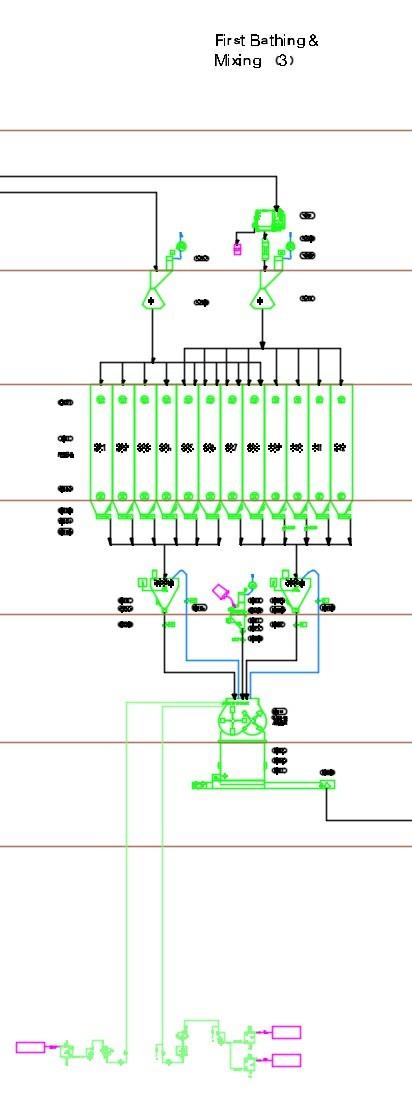
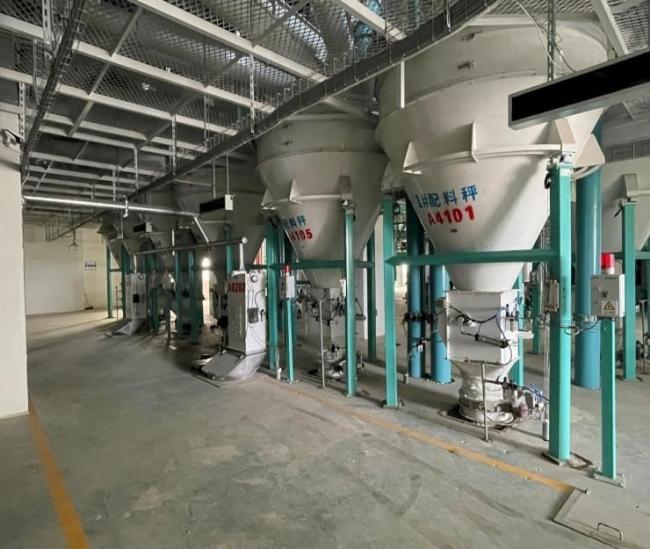
2.4.3 Batching & Mixing
10-12 batching bins (total 120m³), designed for complex formulations.
Dual weighing systems for speed and accuracy.
Hard-gear reducers, double-layer scrapers, and pulse dust collectors to prevent blockages and dust leakage.
|
|
|
|
|
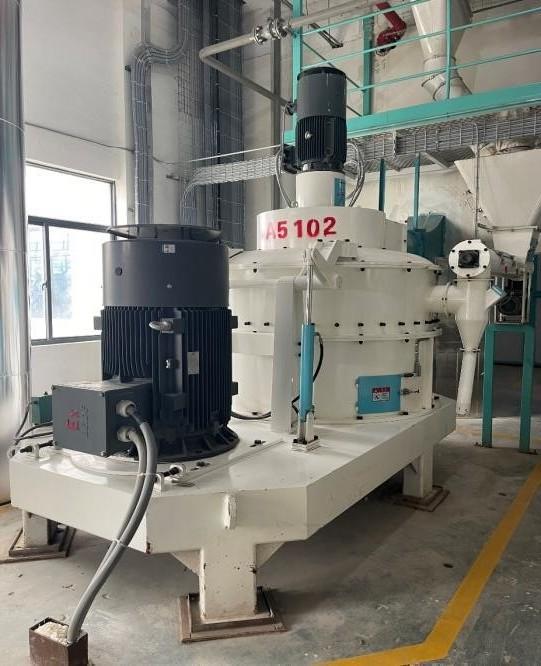
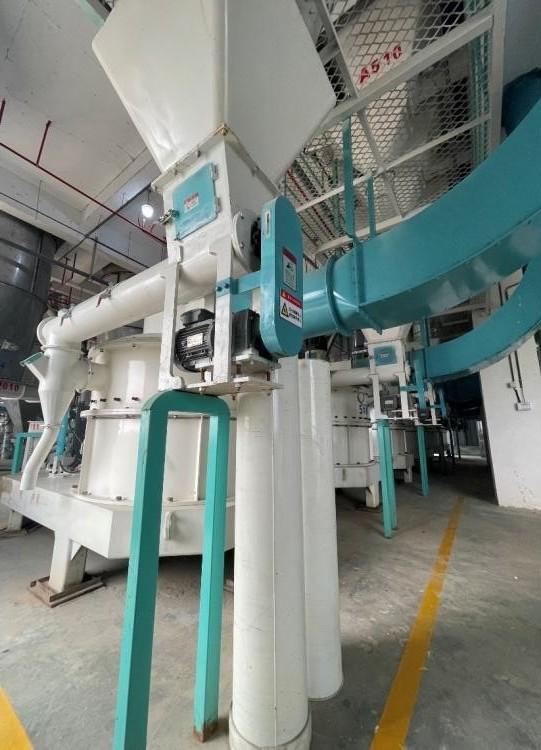
2.4.4 Ultra-fine Grinding & Secondary Mixing
Screenless ultra-fine grinders (40-200 mesh adjustable).
Air conveying with cyclone separators and pulse filters for environmental compliance.
Secondary mixing for sensitive additives.
|
|
|
|
|
2.4.5 Extrusion& Drying Section
(1)Key Features:
Core production stage with two stainless steel pre-extrusion bins (for standard and small-sized pellets), equipped with rotary dischargers to prevent cross-contamination.
|
|
|
|
|
|
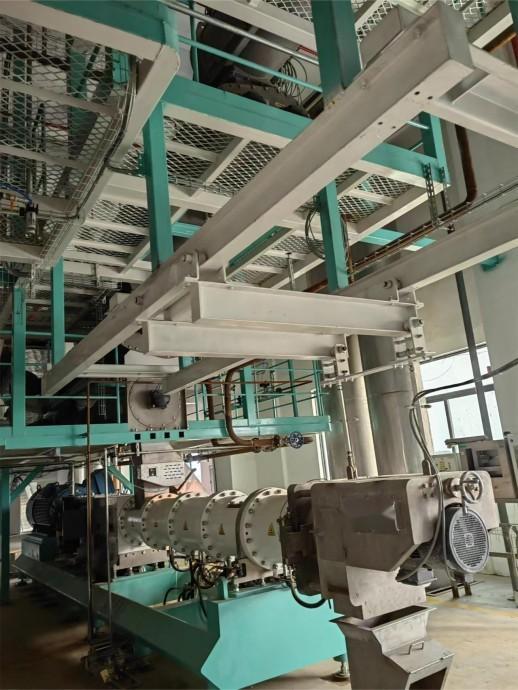
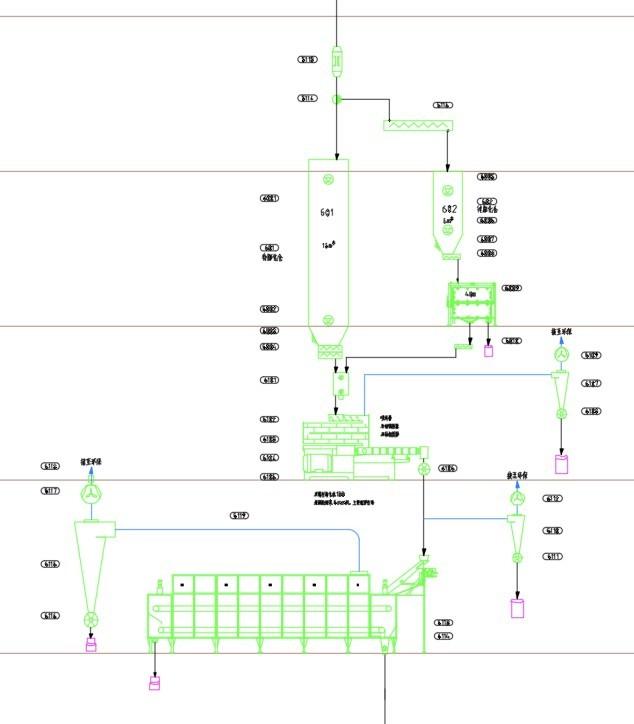
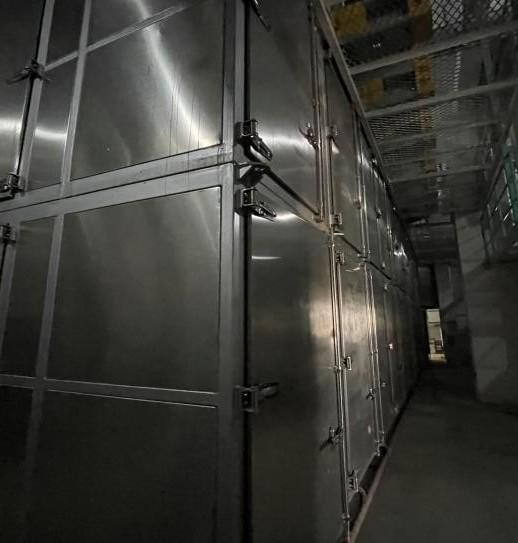
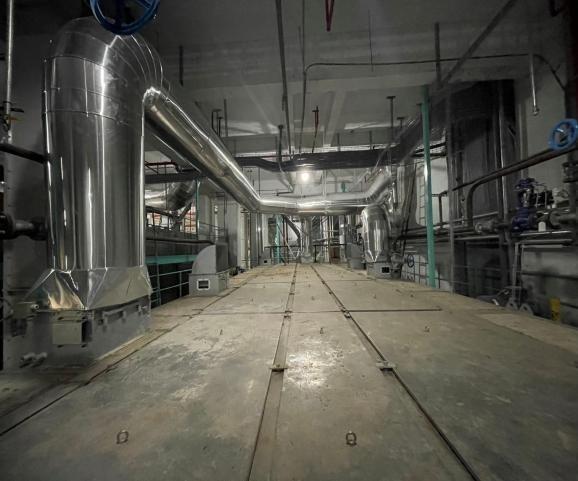
Twin-screw extruders (preferred for formula flexibility and high throughput):
Integrated components: Frequency-controlled screw feeder, dual-speed differential conditioner, and extruder unit.
Automated control system with touchscreen interface for real-time parameter adjustment (feed rate, temperature, steam pressure) and one-touch preset formulas.
(2)Optional upgrades:
Density control module for semi-sinking/sinking feeds
Emission-free dust/exhaust systems to eliminate workplace pollution.
Horizontal dryers with multi-stage temperature zoning (steam or gas-fired options) for energy-efficient drying.
Customizable screens (nylon, stainless steel perforated/wire mesh) tailored to material properties.
(3)Post-Processing:
Extruded and dried materials advance to the oil coating and cooling stages for final preparation.
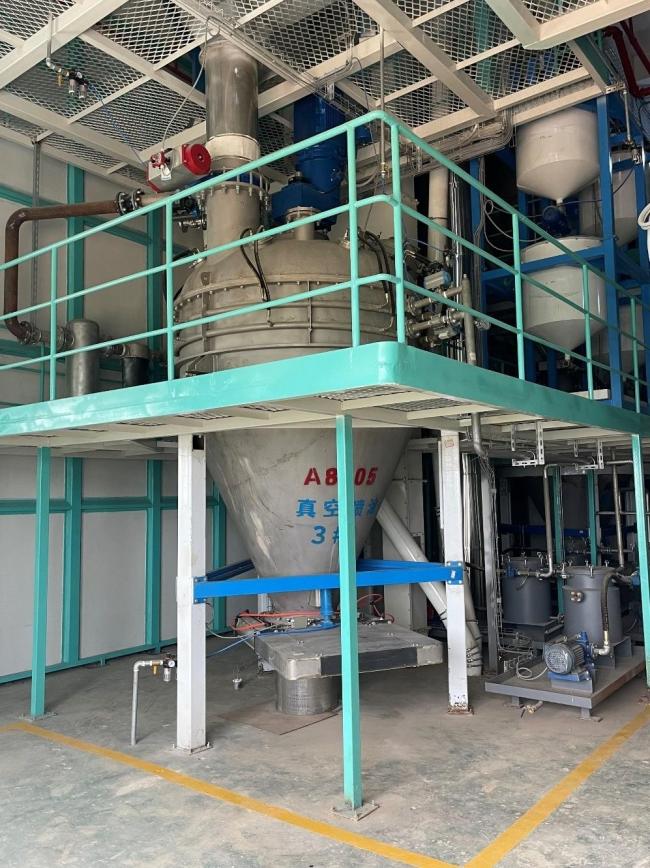
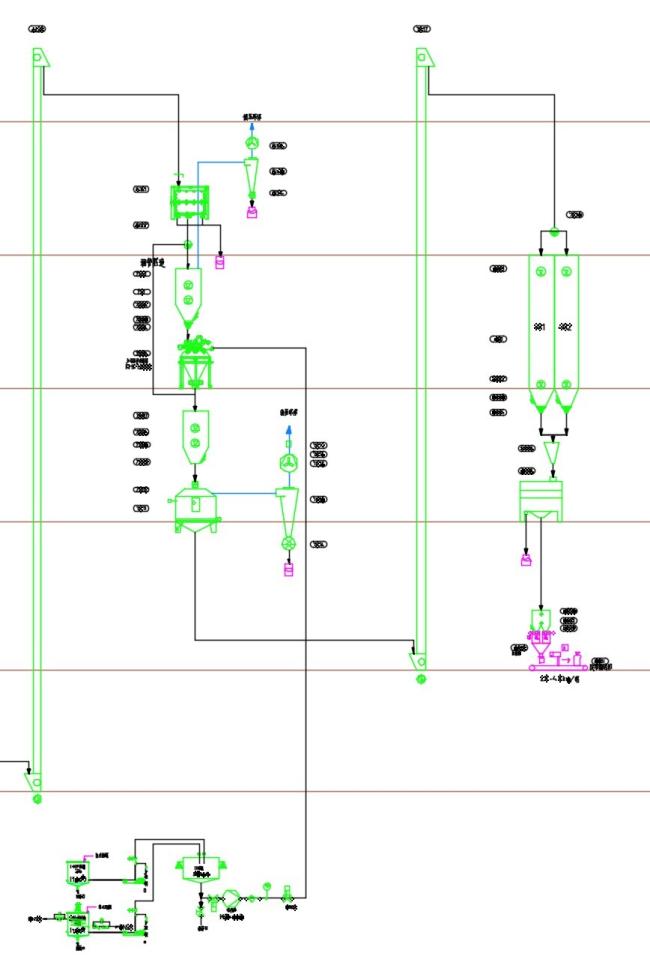
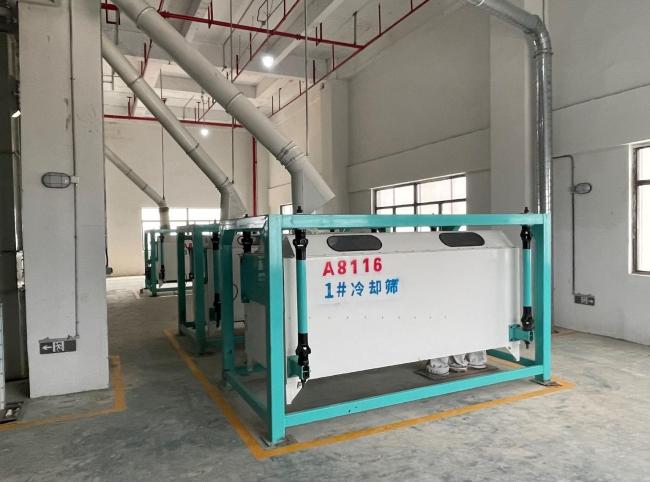
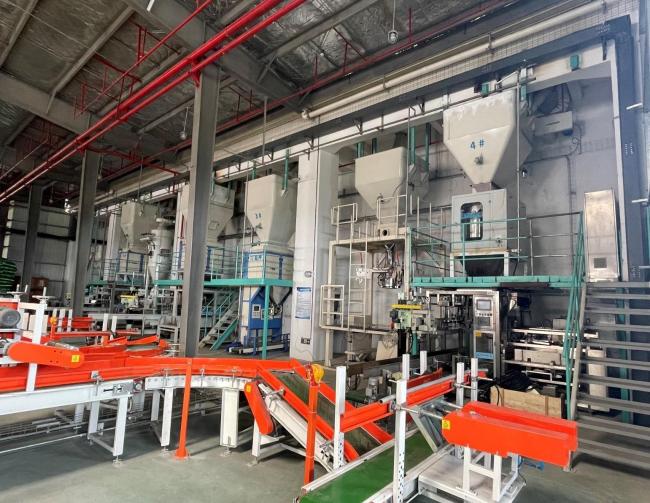
2.4.6 Cooling, Screening & Packaging
Counterflow coolers to prevent condensation and mildew.
High-efficiency vibrating screens for impurity removal.
Automated packaging systems with robotic palletizing to reduce labor costs.
|
|
|
|
|
|
3. Our Advantages
Leading-edge core equipment: Internationally advanced extrusion and drying systems.
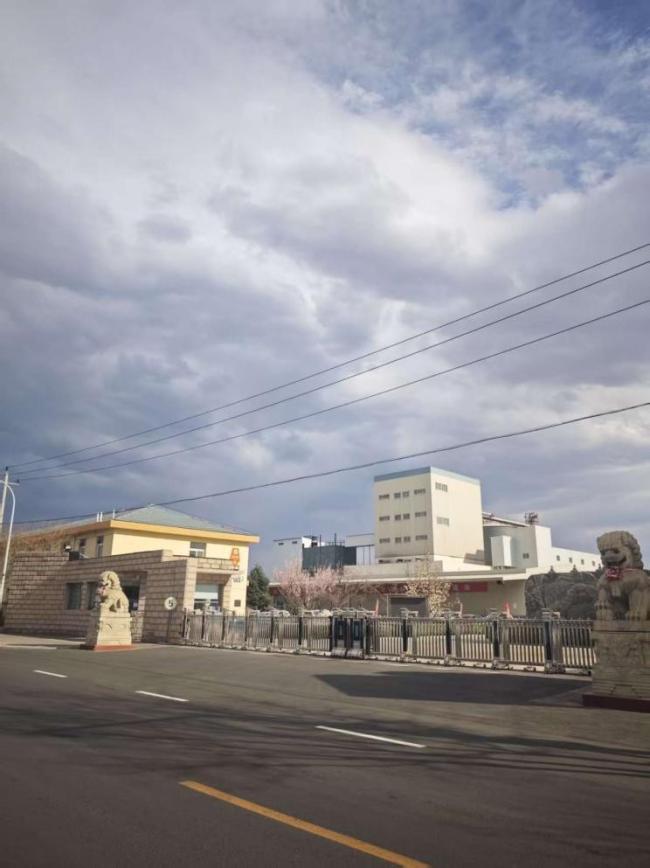
30+ years of expertise: Experienced engineering team in feed plant design.
Smart manufacturing: AI-driven process optimization and energy management.
Full-service support: Turnkey solutions from planning to post-installation optimization.
|
|
|
|
4. FAQ
1. Services offered?
Turnkey solutions including plant planning, equipment supply, installation, and commissioning.
2.Single-screw vs. twin-screw extruder?
Depends on formula, product type, and budget. Contact sales for tailored advice.
3.Installation process?
Detailed installation drawings + on-site engineer guidance.
4.Delivery time?
90-120 days (project-dependent).
5. Competitive edge?
Advanced equipment, 30+ years of expertise, and smart manufacturing capabilities.
6.Packaging standards?
Steel pallets or export-grade wooden crates.
7.Buyer preparations?
Civil works, utilities (water, electricity, gas), and site readiness.
8.Additional equipment needed?
Transformer, weighbridge, boiler, air compressor, oil tanks, forklifts, etc.
Get in Touch
Have questions about our products or want to discuss a custom order? Our team is ready to help you.