
Ball Mill Grinding Ceramic Milling Jar Wet Dry No Contamination High Energy ODM
Product Description
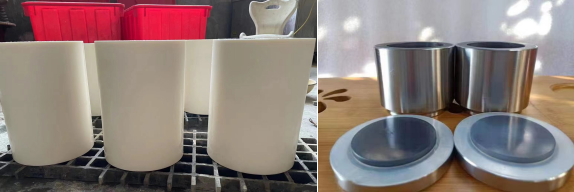
High Energy Milling Ceramic Milling Jar: Achieving Precision in Wet and Dry Grinding Without Contamination
Understanding High Energy Milling
Key Features of Ceramic Milling Jars
- High Abrasion Resistance: Made from high-grade aluminum oxide, these jars exhibit extremely high abrasion resistance, ensuring a long service life and minimal contamination.
- Impact-Resistant Composition: The ceramic body is fortified to minimize chipping and breakage, making it ideal for demanding grinding environments.
- Chemical Inertness: Ceramic jars are chemically inert, making them suitable for grinding reactive or corrosive materials without introducing contamination.
- Non-Porous Surface: The non-porous nature of ceramic jars ensures easy cleaning and decontamination, maintaining the purity of the milled materials.
Advantages of Using Ceramic Milling Jars
- Contamination-Free Grinding: The ceramic material provides a contamination-free environment, essential for industries where purity is critical, such as pharmaceuticals and food processing.
- Cost-Effectiveness: Despite their high performance, ceramic jars are more cost-effective compared to alternatives like steel, making them an economical choice for many applications.
- High Thermal Shock Resistance: Ceramic jars can withstand high temperatures, making them suitable for use in high-temperature furnaces and industrial processes.
Applications of High Energy Milling Ceramic Jars
- Nano Grinding: Achieving ultra-fine particles for advanced applications in nanotechnology and material sciences.
- Size Reduction: Efficiently reducing particle sizes for better homogenization and mixing in chemical processes.
- Mechanical Alloying: Creating new alloys through the precise mixing and grinding of constituent materials.
- Colloidal Milling: Producing stable colloidal suspensions for applications in pharmaceuticals and cosmetics.
Best Practices for Optimizing Milling Operations
- Choose the Right Jar Size: The size of the milling jar should match the volume and type of material being processed. This ensures efficient grinding and prevents excessive wear.
- Regular Maintenance: Periodically inspect jars for signs of wear and tear, such as chips or cracks, to maintain optimal performance.
- Proper Cleaning: Follow recommended cleaning procedures to prevent contamination and extend the lifespan of the jars.
- Select Appropriate Grinding Media: Use grinding balls that are compatible with the jar material to enhance grinding efficiency and reduce wear.
Product Paramenters
Material selection of ball mill jar
The material of the ball grinding jar has no pollution to the grinding material and has no effect on the appearance of the material after grinding
|
Types and requirements of grinding materials |
Ball mill jar material selection reference |
|
Soil and materials that do not allow impurities |
Agate ball mill jar |
|
Metal, non-metal do not allow to bring impurities into the material |
Zirconia ball mill jar |
|
Diamond, carbide and other high hardness materials |
Carbide ball mill jar |
|
Strong acid, strong base substances and high temperature conditions |
Teflon ball mill jar |
|
Materials with low sensitivity to iron and steel minerals and impurities |
304 stainless steel ball mill jar |
|
Pigment class, after the sequence can be high temperature treatment class materials |
Nylon ball mill jar |
|
Ceramic glaze and other aluminum-containing materials |
Corundum ball mill jar |
|
Lithium and other electronic materials |
Polyurethane ball mill jar |
|
Materials that are easily oxidized and require special atmosphere protection |
Vacuum ball mill jar |

|
Grinding Jar& Ball |
Agate Ball |
Zirconia Ball |
TC-ball |
Stainless Steel Balls |
Alumina Balls |
Polyurethane Covered Core Ball |
Steel Ball |
|
Agate Jar |
▲ |
|
|
|
|
|
|
|
Zirconia Jar |
|
▲ |
|
|
|
|
|
|
TC-Jar |
|
○ |
▲ |
|
|
|
|
|
PTFE Jar |
▲ |
○ |
|
|
|
|
|
|
Stainless steel Jar |
|
|
|
▲ |
|
|
|
|
Nylon Jar |
○ |
▲ |
|
|
|
|
|
|
Corundum Jar |
|
○ |
|
|
▲ |
|
|
|
Polyurethane Jar |
○ |
○ |
|
○ |
|
▲ |
|
Note:▲superior formulation, ○optimal formulation
Ball size ratio: Usually the best grinding ball ratio is 20% for large ball, 50% for medium ball, 30% for small ball (weight ratio).

Exhibition & Partner

Case
Ship to Portugal
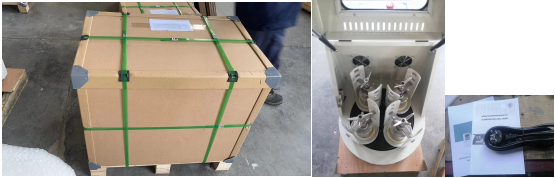
Ship to Republic of Lithuania
FAQ
1. Can I use a ball mill jar for wet grinding?
Yes, many jars are designed for both dry and wet grinding. Ensure the jar is properly sealed to prevent leaks, and use appropriate grinding media for wet milling (e.g., stainless steel or zirconia beads).
2. How long does a ball mill jar last?
The lifespan depends on:
Material hardness and milling conditions.
Frequency of use.
Proper maintenance and cleaning.
Quality of the jar and grinding media.
With proper care, a high-quality jar can last for years.
Get in Touch
Have questions about our products or want to discuss a custom order? Our team is ready to help you.