
Low Thermal Shock 5Y-TZP With Thermal Barrier Coating Zirconia Grinding Vessel 2mm Reinforced Wall Thickness
Product Description
Exploring the Benefits of Low Thermal Shock 5Y-TZP With Thermal Barrier Coating Zirconia Grinding Vessel
Understanding Low Thermal Shock 5Y-TZP
Key Features of 5Y-TZP with Thermal Barrier Coating
- Enhanced Durability: The thermal barrier coating significantly improves the material's resistance to high temperatures and thermal cycling, extending its lifespan in harsh environments.
- Reduced Thermal Conductivity: The coating reduces heat transfer, protecting the underlying material and maintaining structural integrity.
- Improved Mechanical Strength: With a 2mm reinforced wall thickness, the grinding vessel is robust and capable of withstanding mechanical stresses.
- Corrosion Resistance: The coating provides an additional layer of protection against chemical attacks, ensuring longevity in corrosive conditions.
Applications in Industry
- Aerospace: Used in turbine engines, the material enhances efficiency by allowing higher operating temperatures while protecting components from thermal damage.
- Automotive: In engines and exhaust systems, it improves performance and reduces emissions by maintaining optimal thermal conditions.
- Manufacturing: Essential in high-temperature processing equipment, where it ensures reliability and reduces downtime.
Insights from Recent Research
Key Findings
- Doped and Nanostructured Coatings: These coatings exhibit superior thermal shock resistance and wear behavior, crucial for applications in gas turbines and aircraft engines.
- Multilayered Designs: By layering different materials, these coatings provide a gradient structure that optimizes thermal and mechanical properties.
Advantages Over Conventional Materials
- Higher Operating Temperatures: The material can withstand temperatures beyond 1200°C, surpassing the limits of standard YSZ coatings.
- Longer Service Life: Enhanced durability leads to reduced maintenance and replacement costs.
- Improved Energy Efficiency: By minimizing heat loss, the material contributes to more efficient energy use in industrial processes.
Characteristics & Advantages:
| Feature | Zirconia Jar | Alumina Jar | Stainless Steel Jar |
|---|---|---|---|
| Hardness | ⭐⭐⭐⭐⭐ (1,200 HV) | ⭐⭐⭐ (1,500 HV but brittle) | ⭐⭐ (~500 HV) |
| Fracture Toughness | ⭐⭐⭐⭐⭐ (6-10 MPa·m¹/²) | ⭐⭐⭐ (3-4 MPa·m¹/²) | ⭐⭐⭐⭐ (High, but wears over time) |
| Chemical Resistance | ⭐⭐⭐⭐⭐ (Inert) | ⭐⭐⭐⭐ (Good) | ⭐⭐ (Corrosion risk) |
| Contamination Risk | ⭐ (None) | ⭐⭐ (Low) | ⭐⭐⭐ (Metal traces) |
| Lifespan | ⭐⭐⭐⭐⭐ (Longest) | ⭐⭐⭐ (Moderate) | ⭐⭐ (Wears fastest) |
Product Paramenters
Material selection of ball mill jar
The material of the ball grinding jar has no pollution to the grinding material and has no effect on the appearance of the material after grinding
|
Types and requirements of grinding materials |
Ball mill jar material selection reference |
|
Soil and materials that do not allow impurities |
Agate ball mill jar |
|
Metal, non-metal do not allow to bring impurities into the material |
Zirconia ball mill jar |
|
Diamond, carbide and other high hardness materials |
Carbide ball mill jar |
|
Strong acid, strong base substances and high temperature conditions |
Teflon ball mill jar |
|
Materials with low sensitivity to iron and steel minerals and impurities |
304 stainless steel ball mill jar |
|
Pigment class, after the sequence can be high temperature treatment class materials |
Nylon ball mill jar |
|
Ceramic glaze and other aluminum-containing materials |
Corundum ball mill jar |
|
Lithium and other electronic materials |
Polyurethane ball mill jar |
|
Materials that are easily oxidized and require special atmosphere protection |
Vacuum ball mill jar |

|
Grinding Jar& Ball |
Agate Ball |
Zirconia Ball |
TC-ball |
Stainless Steel Balls |
Alumina Balls |
Polyurethane Covered Core Ball |
Steel Ball |
|
Agate Jar |
▲ |
|
|
|
|
|
|
|
Zirconia Jar |
|
▲ |
|
|
|
|
|
|
TC-Jar |
|
○ |
▲ |
|
|
|
|
|
PTFE Jar |
▲ |
○ |
|
|
|
|
|
|
Stainless steel Jar |
|
|
|
▲ |
|
|
|
|
Nylon Jar |
○ |
▲ |
|
|
|
|
|
|
Corundum Jar |
|
○ |
|
|
▲ |
|
|
|
Polyurethane Jar |
○ |
○ |
|
○ |
|
▲ |
|
Note:▲superior formulation, ○optimal formulation
Ball size ratio: Usually the best grinding ball ratio is 20% for large ball, 50% for medium ball, 30% for small ball (weight ratio).

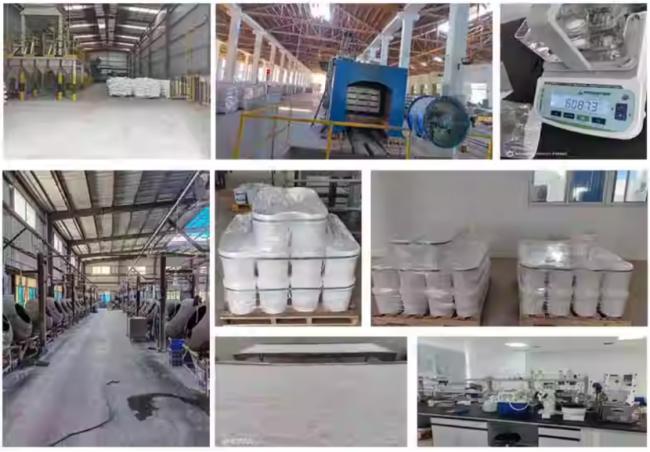
Factory equipment
Exhibition & Partner

Case
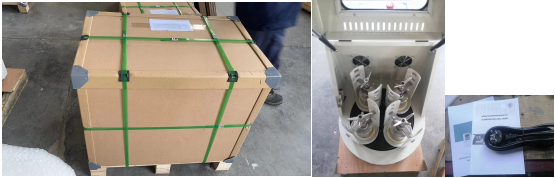
Ship to Portugal
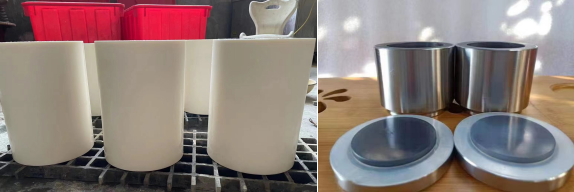
Ship to Republic of Lithuania
FAQ
1. Can I use different grinding media in the same jar?
Yes, but ensure the grinding media (balls or beads) are compatible with the jar material to avoid contamination or excessive wear. For example:
-
Ceramic jars work well with ceramic or zirconia balls.
-
Stainless steel jars pair best with steel or tungsten carbide balls.
2. How do I clean a ball mill jar?
-
Ceramic/Glass Jars – Use mild detergents, ultrasonic cleaning, or baking soda paste. Avoid abrasive scrubbers.
-
Stainless Steel Jars – Clean with soapy water or solvents (if needed) and dry thoroughly to prevent rust.
-
Plastic Jars – Wash with warm water and mild detergent; avoid harsh chemicals.
3. How do I choose the right ball mill jar?
Consider the following factors:
· Material compatibility – Ensure the jar material won’t react with your sample.
· Grinding media – Match the jar material with the grinding balls (e.g., ceramic jars with ceramic balls).
· Capacity – Select a size that fits your batch requirements.
· Sealing mechanism – Airtight lids prevent contamination and spillage.
Get in Touch
Have questions about our products or want to discuss a custom order? Our team is ready to help you.