
Ceramic Yttria Stabilized Tetragonal Zirconia Grinding Balls Beads
Product Description
Understanding Ceramic Super-Balls 3Y-TZP Zirconia: Chemical Inertness for Pharma & Cosmetics
What is 3Y-TZP Zirconia?
Key Properties of 3Y-TZP Zirconia
Applications in Pharmaceuticals and Cosmetics
Pharmaceuticals
Cosmetics

Advantages of Using 3Y-TZP Zirconia


| Diameter(mm) | Each ball weight(g) | 100g balls qty(pcs) |
| 1 | 0.00314 | 31847 |
| 2 | 0.02512 | 3981 |
| 3 | 0.08478 | 1180 |
| 4 | 0.20096 | 498 |
| 5 | 0.3925 | 255 |
| 6 | 0.67824 | 147 |
| 7 | 1.07702 | 93 |
| 8 | 1.60768 | 62 |
| 10 | 3.14 | 32 |
| 12 | 5.42592 | 18 |
| 15 | 10.5975 | 9 |
| 20 | 25.12 | 4 |
●Chemical Composition:
|
Composition |
ZrO2 |
Y2O3 + Others |
|
Content % |
94.6 |
5.4 |
●Physical Properties:
|
Specific Gravity g/cm3 |
Bulk Density kg/L |
Hardness Mohs |
Hardness Hv |
Fracture Toughness MPam1-2 |
Crushing Load Kg.f (Φ0.3mm) |
Grain size um |
Sphericity (%) |
|
≥6.03 |
≥ 3.76 |
9 |
≥1210 |
9 |
|
≤0.3 |
≥98 |
40times under microscope for 0.3mm YSZ ball


● Inner structure:


● Size distribution:
|
product name: |
Yttria stabilized zirconia bead |
size: |
Φ0.3mm |
||||||
|
100pcs test result by selected random(unit: mm) |
|||||||||
|
0.28 |
0.29 |
0.3 |
0.31 |
0.32 |
|||||
|
0.28 |
0.29 |
0.3 |
0.31 |
0.32 |
|||||
|
0.28 |
0.29 |
0.3 |
0.31 |
0.32 |
|||||
|
0.28 |
0.29 |
0.3 |
0.31 |
0.32 |
|||||
|
0.29 |
0.29 |
0.31 |
0.31 |
0.32 |
|||||
|
0.29 |
0.3 |
0.31 |
0.31 |
0.32 |
|||||
|
0.29 |
0.3 |
0.31 |
0.31 |
0.32 |
|||||
|
0.29 |
0.3 |
0.31 |
0.31 |
0.33 |
|||||
|
0.29 |
0.3 |
0.31 |
0.31 |
0.33 |
|||||
|
0.29 |
0.3 |
0.31 |
0.31 |
0.33 |
|||||
|
0.29 |
0.3 |
0.31 |
0.32 |
0.33 |
|||||
|
0.29 |
0.3 |
0.31 |
0.32 |
0.33 |
|||||
|
0.29 |
0.3 |
0.31 |
0.32 |
0.33 |
|||||
|
0.29 |
0.3 |
0.31 |
0.32 |
0.33 |
|||||
|
0.29 |
0.3 |
0.31 |
0.32 |
0.33 |
|||||
|
0.29 |
0.3 |
0.31 |
0.32 |
0.33 |
|||||
|
0.29 |
0.3 |
0.31 |
0.32 |
0.34 |
|||||
|
0.29 |
0.3 |
0.31 |
0.32 |
0.34 |
|||||
|
0.29 |
0.3 |
0.3 |
0.3 |
0.36 |
|||||
|
0.29 |
0.3 |
0.3 |
0.3 |
0.3 |
|||||
|
|
|
|
|
|
|||||
|
|
|
|
|
|
|||||
|
|
|
|
|
|
|||||
|
|
|
|
|
|
|||||
|
|
|
|
|
|
|||||
|
|
|
|
|
|
|||||
|
|
|
|
|
|
|||||
|
|
|
|
|
|
|||||
|
|
|
|
|
|
|||||
|
|
|
|
|
|
|||||
|
|
|
|
|
|
|||||
|
|
|
|
|
|
|||||
|
|
|
|
|
|
|||||
|
|
|
|
|
|
|||||
|
|
|
|
|
|
|||||
|
|
|
|
|
|
|||||
|
|
|
|
|
|
|||||

●Features:
It has high density and hardness, making it suitable for high-quality products, such as ceramic inking, automobile, paints and coating.
It is suitable for high-efficiency horizontal mills and basket mills.
Low contamination of the milling product.
It is suitable for industries requiring nano-sized particles.
●Pakage:
25KG/Plastic Drum, 800-1000KG/Pallet with shrink wrapped
●Storage:
The grinding media should be stored in a dry and clean place.
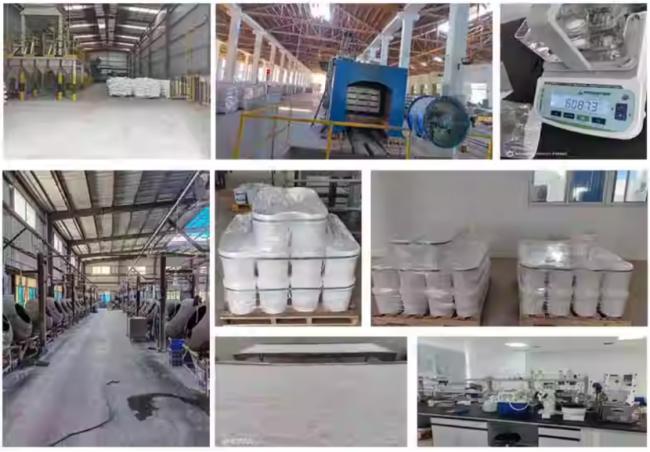
Factory equipment
Exhibition & Partner

Case
Ship to philipine


Ship to Germany


FAQ
-
What are zirconia grinding beads made of?
-
They are made from zirconium dioxide (ZrO₂), often stabilized with yttria (Y₂O₃) for enhanced durability and performance.
-
-
What sizes are available for zirconia grinding beads?
-
Sizes typically range from 0.1mm to several millimeters, depending on the application and equipment.
-
-
What are zirconia grinding beads used for?
-
They are used for grinding, dispersing, and homogenizing materials in industries like pharmaceuticals, ceramics, paints, and chemicals.
-
-
Why choose zirconia beads over other grinding media?
-
Zirconia beads offer high density, wear resistance, and chemical stability, making them ideal for fine grinding and high-energy milling.
-
Get in Touch
Have questions about our products or want to discuss a custom order? Our team is ready to help you.