Guangzhou Zoli Technology Co.,Ltd.
                                                                                                           
Verified Supplier
9 Years
Since 2017
Menu

Custom Corrosion Proof Ceramic Silicon Nitride Balls High Chrome Grinding Media Balls

Price Negotiable
Price: Negotiable
MOQ: 1kg
Delivery Time: within 15days
Brand: Zhongli
Product Description

Product Description

Corrosion-Proof Ceramic Balls Ideal for Chemical & Marine Applications


Ceramic balls are evolving as a cornerstone in various industrial applications, particularly in environments where corrosion resistance is paramount. From chemical processing to marine applications, corrosion-proof ceramic balls offer unmatched durability and performance. 


Understanding Corrosion-Proof Ceramic Balls


Corrosion-proof ceramic balls are spherical components made from high-performance ceramic materials such as alumina, silicon carbide, silicon nitride, and zirconia. These materials are known for their exceptional hardness, wear resistance, and chemical inertness, making them suitable for demanding applications where corrosion is a significant concern.


Key Properties of Ceramic Balls


  1. High Hardness: Ceramic balls are incredibly hard, often surpassing the hardness of steel, which makes them resistant to wear and tear.
  2. Chemical Resistance: They exhibit excellent resistance to acids, alkalis, and salts, making them ideal for use in corrosive environments.
  3. Thermal Stability: Ceramic balls can maintain their strength and hardness even at high temperatures, which is crucial for applications involving extreme heat.
  4. Low Density: Their lightweight nature reduces the overall weight of machinery, enhancing efficiency and performance.
  5. Electrical Insulation: These balls provide electrical insulation, preventing electrical corrosion and arc damage.


Applications in Chemical and Marine Industries


Chemical Applications


In the chemical industry, corrosion-proof ceramic balls are used in various applications, including:


  • Chemical Pumps and Valves: Their chemical inertness ensures that they do not react with the substances they come in contact with, preserving the purity and quality of the chemicals.
  • Desulfurization Equipment: Ceramic balls are essential in processes that remove sulfur dioxide from exhaust flue gases in power plants, as they can withstand harsh chemical conditions.


Marine Applications


Marine environments are notorious for their corrosive nature due to the presence of saltwater. Ceramic balls offer the following advantages:


  • Marine Bearings: These balls are used in bearings that operate in seawater, providing longevity and reducing maintenance costs.
  • Propulsion Systems: In marine propulsion systems, ceramic balls help reduce friction and wear, leading to improved fuel efficiency and performance.


Types of Ceramic Balls Used in Corrosive Environments


  1. Alumina Balls: Known for their high hardness and thermal stability, alumina balls are commonly used in high-temperature and corrosive environments. They are perfect for chemical pumps and high-temperature bearings.
  2. Silicon Carbide Balls: With a hardness close to that of diamond, silicon carbide balls are ideal for applications requiring extreme hardness and chemical resistance, such as high-temperature bearings and automotive water pumps.
  3. Silicon Nitride Balls: These are lightweight and provide excellent performance in high-speed and high-temperature applications. They are widely used in aerospace and automotive industries.
  4. Zirconia Balls: Known for their high fracture toughness, zirconia balls are used in environments that require resistance to mechanical shock, such as valves and pumps in the petrochemical industry.


Advantages Over Traditional Materials


Compared to traditional steel balls, ceramic balls offer several advantages:


  • Longevity: Ceramic balls have a longer lifespan due to their resistance to wear and corrosion, which translates to lower maintenance costs.
  • Performance: Their high-temperature performance and lightweight nature enhance the efficiency of machinery, particularly in aerospace and automotive applications.
  • Cost-Effectiveness: Although the initial cost of ceramic balls is higher, their durability and low maintenance requirements make them a cost-effective choice in the long run.
Property Silicon Nitride (Si3N4) Steel (440C) Zirconia (ZrO2) Alumina (Al2O3)
Density (g/cm³) 3.2 7.8 6.0 3.9
Hardness (HV) 1,400–1,600 700–900 1,200–1,300 1,500–1,800
Fracture Toughness (MPa·m½) 6–7 15–20 7–10 3–4
Compressive Strength (GPa) 2.5–3.5 2.0–2.5 2.0–2.3 2.0–3.0


Description:


Silicon Nitride Ceramic Ball is the most ideal bearing ball for bearing applications, due to the excellent properties of silicon nitride ceramics, it has many irreplaceable advantages comparing to traditional steel materials, such as: high mechanical strength, low wear loss, good self-lubrication, low density, high corrosion resistance, good electrical insulation etc.

Therefore, Silicon Nitride Balls are mostly used for some harsh working conditions: high speed/super speed bearings, high precision bearings, bearings in vacuum, high/low temperature bearings.

Moreover, Silicon Nitride Ceramic Balls can also used as valve ball or measurement balls in chemical pumps/high temperature pumps/metdering pumps.


Physical Properties:

Chemical Composition:

Si3N4≥95%

Bulk Density:

3.2±0.05g/cm3

Elastic Modulus:

350GPa

Hardness Vickers:

1870HV

Bending Strength:

780MPa

Fracture Toughness:

7.2MPa·m1/2

Thermal Expansion Coefficient:

3.2 10-6/K

Thermal Conductivity:

25W/(m·K)


 Ball Sizes/Grade :

Size (mm)

Φ0.8-180

Grade

Vdws

SPH

Vdwl

Ra

G3

0.05-0.08

≤0.08

<0.13

0.01

G5

0.08-0.13

≤0.13

<0.25

0.014

G10

0.15-0.25

≤0.25

<0.5

0.02

G16

0.2-0.4

≤0.4

<0.8

<0.025

G20

0.3-0.5

≤0.5

<1

<0.032

G100

0.4-0.7

0.4-0.7

<1.4

<0.0105


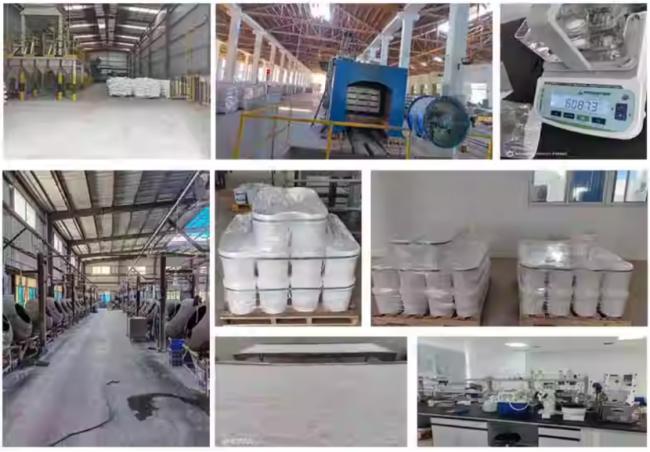
Factory equipment

Exhibition & Partner

Case


Ship to South Korea

Ship to Spain


FAQ

1. What sizes and tolerances are available?

  • Diameter range: 0.5mm to 50mm (custom sizes possible).

  • Sphericity: As low as 0.1µm (Grade 5 for ultra-precision bearings).

  • Surface finish: Ra < 0.02µm (mirror polish for low friction).

2. Are silicon nitride balls FDA-approved for medical use?

Yes! Si3N4 is biocompatible (ISO 6474-1) and used in spinal implants, dental devices, and joint replacements due to its antibacterial properties.

3. How do I choose the right Si3N4 balls for my application?

Consider:

  • Load & speed requirements (dynamic/static stress).

  • Temperature range (Si3N4 excels in high heat).

  • Chemical exposure (resistant to most acids/alkalis).

  • Electrical insulation needs (non-conductive).

Get in Touch

Have questions about our products or want to discuss a custom order? Our team is ready to help you.

Company Guangzhou Zoli Technology Co.,Ltd.
Location Room 702A, No. 585, Airport Road, Tangjing Street, Baiyun District, Guangzhou City, Self-compiled 2341
Contact Person Ain Qiu

Request A Quote

Please check your email address.
Your message must be at least 20 characters.