
2000MPa High Al₂O₃ Alumina Oxide Balls For Anode Cathode Processing
Product Description


●Chemical Composition:
|
Composition |
Al2O3 |
SIO2 |
CaO+MgO |
Fe2O3 |
|
Wt% |
≥92 |
7 max |
≤2 |
<0.1 |
●Typical Properties:
|
Specific Gravity g/cm3 |
Bulk Density kg/L |
Hardness Moh’s |
Water Absorption % |
Self wearing loss %(24hrs) |
Compression Mpa |
|
≥3.65 |
≥2.2 |
9 |
<0.01 |
≤0.012 |
≥2000 |
● Sizes Φ:
|
Size(mm) |
Size(mm) |
Size(mm) |
Size(mm) |
|
0.5-1.0 |
6.0 |
20.0 |
70.0 |
|
1.0 |
8.0 |
25.0 |
80.0 |
|
2.0 |
10.0 |
30.0 |
90.0 |
|
3.0 |
13.0 |
40.0 |
100.0 |
|
4.0 |
15.0 |
50.0 |
|
|
5.0 |
18.0 |
60.0 |
|
1. Mechanical & Physical Properties
| Property | Alumina (92%) | Alumina (99%) | Zirconia | Steel | Silica Sand |
|---|---|---|---|---|---|
| Density (g/cm³) | 3.6 | 3.9 | 6.0 | 7.8 | 2.2 |
| Hardness (Mohs/HV) | 9 (~1,500 HV) | 9 (~1,800 HV) | 8.5 | 6-7 | 7 |
| Wear Rate (g/ton) | 10–50 | 5–20 | 1–5 | 100+ | 300+ |
| Compressive Strength | 2,000 MPa | 2,500 MPa | 2,200 MPa | 500 MPa | Low |
Key Takeaways:
- 99% Alumina offers 30% lower wear than 92% grade.
- 2–5x longer lifespan vs. steel in abrasive slurries.
- Harder than zirconia but less tough (ideal for fine grinding).
2. Chemical & Thermal Resistance
| Property | Alumina (99%) | Performance Impact |
|---|---|---|
| Chemical Inertness | Resists pH 1–14 | Safe for acids/alkalis, pharmaceuticals. |
| Max Temperature | 1,600°C | Stable in kilns, calcination. |
| Thermal Shock | Moderate | Avoid rapid quenching (>200°C/min). |
| Contamination Risk | None | Zero metal ions (critical for Li-ion batteries). |
Vs. Competitors:
- Beats steel in corrosion resistance.
- Outperforms silica sand in wear & consistency.
3. Grinding Efficiency
- Particle Size Reduction: Achieves sub-micron fineness (D50 < 1µm) in wet/dry mills.
- Speed: Higher density (vs. silica) improves kinetic energy transfer.
- Consistency: Uniform shape/size prevents clogging in bead mills.
Best For:
- High-purity materials (e.g., ceramics, electronics powders).
- Slurry processing (paints, dyes).
4. Industry-Specific Performance
| Industry | Benefit of Alumina Balls |
|---|---|
| Mining | 50% lower replacement cost vs. steel in ore grinding. |
| Pharma | FDA-compliant, no endotoxin release. |
| Batteries | Prevents Fe/Ni contamination in cathode materials. |
| Paints | Maintains color purity (no metal leaching). |
5. Cost vs. Lifetime Analysis
| Media Type | Cost per kg | Lifespan (hours) | Cost per Ton Ground |
|---|---|---|---|
| Alumina (92%) | $5–10 | 2,000–3,000 | $0.50–1.00 |
| Steel | $2–4 | 500–800 | $2.00–4.00 |
| Zirconia | $50–100 | 5,000+ | $0.20–0.50 |
Trade-Off:
- Alumina balances cost and performance – Ideal when zirconia is over-spec.
Performance Summary: Why Choose Alumina?
✅ Cost-Effective: 3x cheaper than zirconia for moderate abrasion.
✅ High-Purity: 99.9% Al₂O₃ for sensitive applications (e.g., pharma).
✅ Versatile: Works in ball/attritor/planetary mills.
✅ Low Maintenance: Non-corrosive, easy to clean.
Limitations:
- Not for high-impact milling (e.g., hammer mills).
- Thermal shock risk in rapid cooling applications.
Need Custom Alumina Balls?
We supply:
- Sizes: 1mm–50mm (±0.01mm tolerance).
- Grades: 92%, 95%, 99%, ZTA-composite.
- Certifications: ISO 9001, RoHS, FDA (for pharma).
●Package:
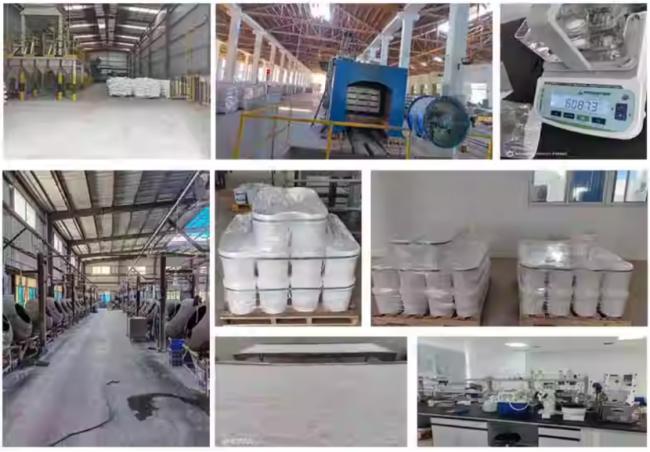
25KG/woven bag,1000KG-1250KG for one pallet with shrink wrapped


Exhibition & Partner

Case
Ship to UAE


Ship to Netherland


FAQ
-
What are alumina ceramic balls made of?
-
They are made from aluminium oxide (Al₂O₃), a high-purity ceramic material known for its hardness and wear resistance.
-
-
What are the key properties of alumina ceramic balls?
-
High hardness, excellent wear resistance, chemical stability, high-temperature resistance (up to 1600°C), and electrical insulation.
-
-
What are alumina ceramic balls used for?
-
They are used as grinding media, bearing components, valve balls, and in applications requiring wear resistance and chemical inertness.
-
-
Why choose alumina balls over steel or other ceramics?
-
They offer superior wear resistance, chemical stability, and are lighter than steel, making them ideal for specific applications.
-
-
What sizes are available for alumina ceramic balls?
-
Sizes typically range from 1mm to several inches, depending on the application.
-
Get in Touch
Have questions about our products or want to discuss a custom order? Our team is ready to help you.