
500L Autoclave Machine Horizontal Cylindrical Pressure Steam Sterilizer
- Implements gravity exchange to exhaust cold air thoroughly, a key factor for dependable sterilization outcomes.
- Automated control optimizes the cycle by adjusting steam based on real-time chamber temperature readings.
- Serves clinics, labs, and institutes in sterilizing instruments, glassware, fabrics, and biological media.
- Integrated drying function provides added utility for drying sterilized medical dressings and labware.
- Safety valve automatically opens at 0.24 MPa to vent excess steam and maintain safe pressure levels.
- Comprehensive safeguards include over-temperature/over-pressure cut-offs and low-water auto-shutdown with alarm.
- Pressure-sensitive door lock ensures it remains closed above 0.027 MPa and verifies seal before startup.
- The sterilization chamber is made entirely of stainless steel for resilience and easy cleaning.
| Technical data | HCPS-A500 |
| Chamber volume | 500L |
| Chamber size | Φ700*1300mm |
| Working pressure | 0.22MPa |
| Working temperature | 134℃ |
| Adjustment of temperature | 105℃ - 134℃ |
| Sterilization time | 0-60 min |
| Drying time | 0-60 min |
| Heat average | ≤±2℃ |
| Power | 18KW,380V/50Hz |
| Dimensions | 1800*900*1820 |
| Packing size | 1850*1050*2100 |
| G.W/N.W(Kg) | 580/470 |
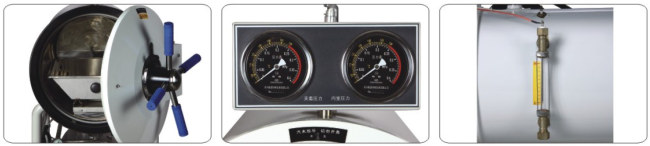
The autoclave represents a critical engineering solution for sterilization challenges. It is a sealed vessel that produces saturated steam by heating water under pressure, allowing temperatures to exceed the normal boiling point of water. At settings like 121°C, this moist heat is rapidly fatal to microorganisms. The sterilization cycle is meticulously controlled. It starts with air removal via vacuum or gravity displacement. The load is then held at the target temperature and pressure. Finally, pressure is released, and items are dried.
This technology is applied in numerous fields. Hospitals and surgical centers use it extensively. Dental clinics consider it essential. Research and quality control labs use it daily. It is also a key component in bio-safety for waste decontamination. Additionally, it finds use in materials engineering. The primary advantage of autoclaving is its comprehensive microbial kill. It is effective against all pathogens, including prions (with extended cycles), which are not reliably inactivated by many other methods. Its ability to safely and reliably process wrapped, lumened, and porous items makes it the most versatile and trusted sterilization modality available.
Get in Touch
Have questions about our products or want to discuss a custom order? Our team is ready to help you.