
Polymaleic Acid PMA Scale Inhibiting Dispersing Agent with Versatile Binding for Industrial Applications
Price:
Negotiable
MOQ:
500g, 1kg or 25kg for sample, 1000kg for commercial order
Delivery Time:
In 3 working days
Brand:
Zorui
Product Description
Polymaleic Acid (PMA/HPMA) CAS 26099-09-2
Polymaleic acid is a polymer with repeating maleic acid units, known for its versatility in various industrial applications. It is valued for its scale inhibiting, dispersing, and binding properties.
Key Benefits
- Excellent scale inhibiting properties
- Effective dispersing agent
- Versatile binding capabilities
- Wide range of industrial applications
Target Industries & Applications
Water treatment, detergents, construction, and agriculture.
Technical Specifications
| Parameter | Value |
|---|---|
| Chemical Structure | [-CH2-C(=O)-OH-]n |
| Molecular Weight | Variable based on polymerization degree |
| Appearance | Clear to pale yellow liquid or solid |
| Solubility | Soluble in water |
| pH (1% Solution) | ~2-3 |
| Density | ~1.2-1.3 g/cm³ |
Product Introduction
Polymaleic Acid (PMA) is a polymer derived from maleic acid, characterized by its unique chemical structure and versatile properties. As an anionic polymer, PMA plays a crucial role in several applications across various industries, including water treatment, oil recovery, and cosmetics. Its ability to act as a dispersant, scale inhibitor, and rheology modifier makes PMA an essential ingredient in many formulations.
Physical and Chemical Specifications
| Property | Specification |
|---|---|
| Chemical Name | Polymaleic Acid |
| Abbreviation | PMA |
| CAS Number | 26062-79-3 |
| Molecular Weight | Varies (typically between 1000 to 200,000 g/mol) |
| Appearance | White to light yellow powder |
| Solubility | Soluble in water |
| pH | Typically 7-9 in aqueous solutions |
| Viscosity | Varies based on concentration |
Product Functions
- Dispersant: Excellent at dispersing solid particles in liquids, preventing agglomeration and settling.
- Scale Inhibitor: Prevents the formation of scale in water systems, extending the life of equipment and improving efficiency.
- Rheology Modifier: Adjusts the flow properties of liquids, enhancing the texture and stability of formulations.
- Corrosion Inhibitor: Provides protection against corrosion in industrial systems, contributing to system longevity.
Application Areas
- Water Treatment: Used in cooling towers, boilers, and wastewater treatment systems to control scale and improve efficiency.
- Oil and Gas: Employed in enhanced oil recovery processes and as a stabilizer in drilling fluids.
- Cosmetics and Personal Care: Incorporated in formulations as a thickener and stabilizer for creams and lotions.
- Textiles: Utilized in textile processing to improve dye dispersal and fabric finishes.
Manufacturing Process
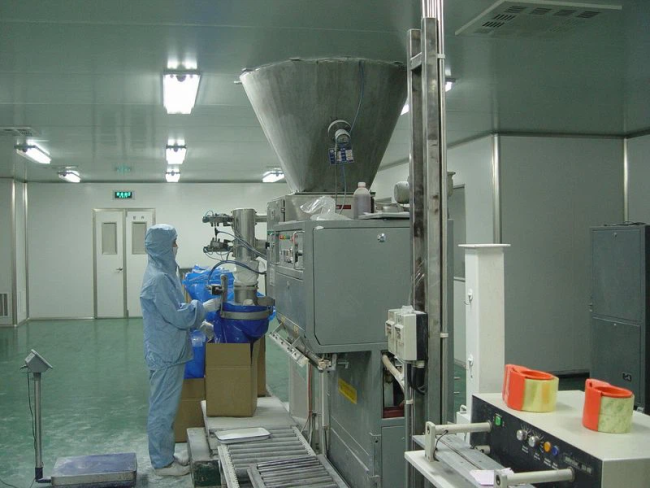
- Polymerization: Polymaleic Acid is synthesized through the polymerization of maleic anhydride or maleic acid using suitable catalysts and conditions.
- Purification: The product undergoes purification processes to remove unreacted monomers and achieve the desired molecular weight.
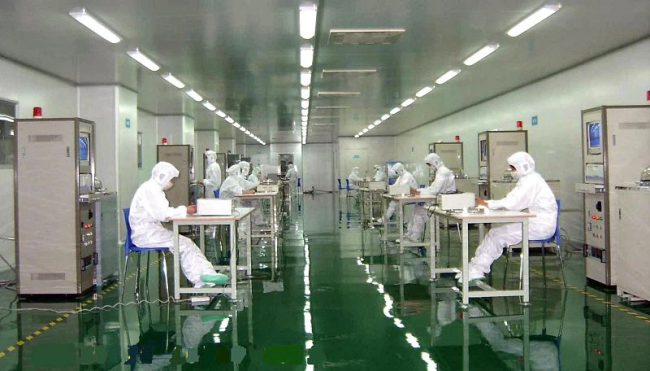
- Quality Control: Each batch is rigorously tested for purity, viscosity, and compliance with industry standards.
Why Choose Us
- High Quality: Our Polymaleic Acid is produced under stringent quality control measures, ensuring reliability and effectiveness for various applications.
- Custom Solutions: We offer tailored PMA formulations to meet specific needs across different industries.
- Expert Support: Our knowledgeable team provides technical assistance and formulation guidance tailored to your needs.
- Sustainability Commitment: Focused on environmentally responsible sourcing and manufacturing practices.
Frequently Asked Questions
Q1: What is Polymaleic Acid (PMA)?
A1: PMA is an anionic polymer derived from maleic acid, known for its functions as a dispersant, scale inhibitor, and rheology modifier.
Q2: What are the primary applications of PMA?
A2: PMA is widely used in water treatment, oil and gas, cosmetics, and textiles.
Q3: How does PMA function as a dispersant?
A3: It effectively disperses solid particles in liquids, helping to maintain a uniform distribution and prevent settling.
Q4: Is PMA safe for use in cosmetics?
A4: Yes, PMA is commonly used in cosmetic formulations; however, it's essential to verify product compliance with regulatory guidelines.
Q5: What are typical dosage levels for PMA in applications?
A5: Dosage levels vary depending on the application, typically ranging from 0.1% to 5%, depending on the formulation and desired effect.
Similar Products
Get in Touch
Have questions about our products or want to discuss a custom order? Our team is ready to help you.
Company
Shanxi Zorui Biotechnology Co., Ltd.
Location
Huiquan Square F14, No.1450 SH Caohejing Hi-Tech Park, Datong, Shanxi, China
Contact Person
Julie