
High Strength ABS Resins with Good Toughness and Resistance to Chemical Corrosion for Industrial Applications
ABS (Acrylonitrile Butadiene Styrene)
ABS (Acrylonitrile Butadiene Styrene acronym) is a thermoplastic polymer material structure with high strength, good toughness and easy processing and molding; slightly yellow solid, with certain toughness and a density of about 1.04-1.06 g/cm3. It is relatively resistant to corrosion of acids, alkalis and salts, and it can also be resistant to a certain degree to the Organic solvent dissolution.
Key Benefits:
- High Strength
- Good Toughness
- Easy Processing and Molding
- Resistance to Chemical Corrosion
Target Industries & Applications:
Suitable for various industries requiring durable and chemically resistant materials, including automotive, electronics, and consumer goods.
Technical Specifications
| Parameter | Value |
|---|---|
| Name | Acrylonitrile Butadiene Styrene |
| Alias | ABS resin ABS particles |
| Normal Temperature | -25℃~60 |
Acrylonitrile Butadiene Styrene (ABS)
Product Overview
Acrylonitrile Butadiene Styrene (ABS) is a popular thermoplastic polymer known for its strength, durability, and impact resistance. Widely used in various applications, ABS combines the rigidity of styrene and the toughness of butadiene, making it an ideal material for a range of products, from consumer goods to industrial applications.
Physical and Chemical Specifications
| Property | Specification |
|---|---|
| Common Name | Acrylonitrile Butadiene Styrene |
| Chemical Formula | (C₃H₃N)(C₄H₆)(C₈H₈) |
| CAS Number | 9003-56-9 |
| Appearance | Rigid, opaque thermoplastic |
| Molecular Weight | Varies based on molecular structure |
| Density | Approximately 1.05 g/cm³ |
| Melting Point | Approximately 220 °C |
| Solubility | Insoluble in water; soluble in organic solvents |
Product Functions
- Impact Resistance: ABS is known for its excellent impact strength, making it suitable for products that require durability.
- Thermal Stability: It exhibits good thermal stability, allowing it to maintain performance across a range of temperatures.
- Ease of Processing: ABS can be easily molded and extruded, offering versatility in manufacturing processes.
- Surface Finish: Provides a smooth surface finish, making it ideal for aesthetic applications.
Application Areas
- Consumer Electronics: Commonly used in the production of casings for electronic devices, toys, and household appliances.
- Automotive Parts: Utilized for interior and exterior automotive components due to its impact resistance and lightweight properties.
- Industrial Applications: Used in machinery housings, protective equipment, and various industrial components.
- 3D Printing: Frequently used as a filament in 3D printing for its strength and ease of use.
Manufacturing Process
- Polymerization: ABS is produced through the polymerization of acrylonitrile, butadiene, and styrene monomers, typically using emulsion or bulk polymerization techniques.
- Compounding: The resin can be compounded with various additives to enhance its properties, such as colorants, impact modifiers, and thermal stabilizers.
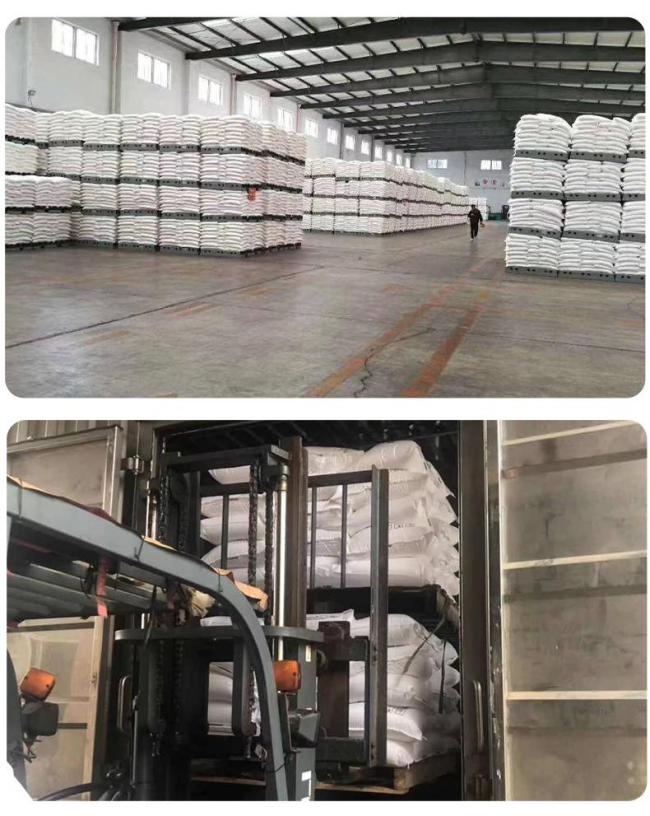
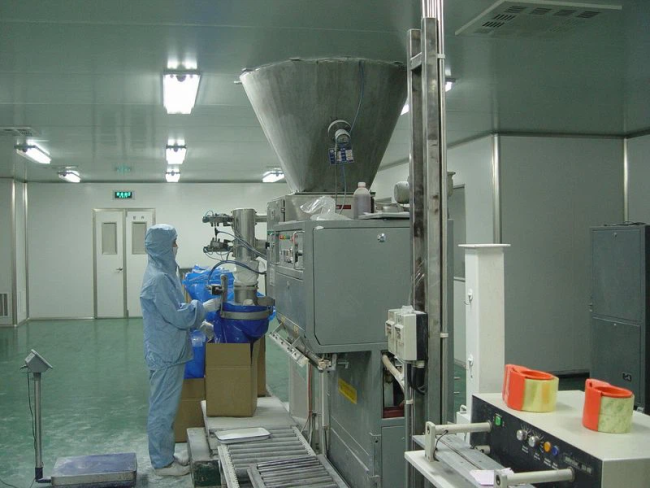
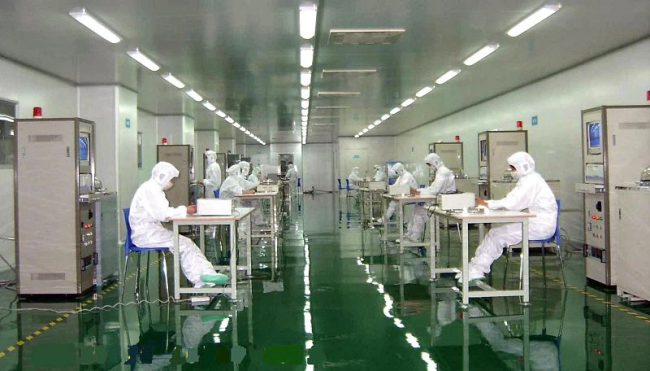
- Quality Control: Each batch undergoes rigorous testing for physical properties, chemical composition, and compliance with industry standards.
Why Choose Us?
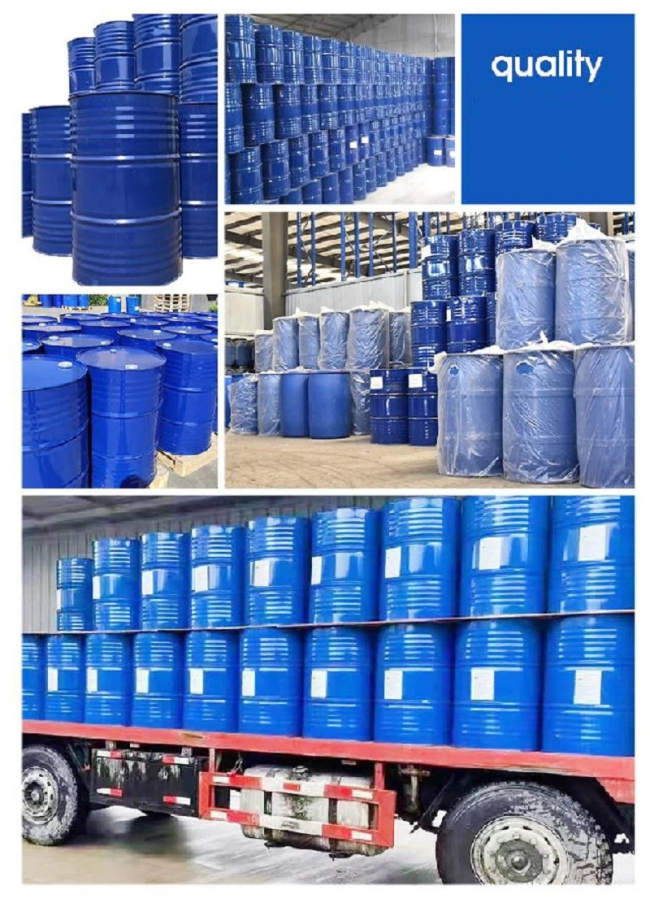
- High Quality: Our ABS resins are sourced from reputable manufacturers, ensuring compliance with stringent quality control measures.
- Versatile Applications: Suitable for various industries, including consumer electronics, automotive, and industrial applications.
- Expert Support: Our knowledgeable team provides technical assistance and formulation guidance tailored to your specific needs.
- Sustainability Commitment: Focused on environmentally responsible sourcing and manufacturing practices.
FAQ
Q1: What is Acrylonitrile Butadiene Styrene (ABS)?
A1: ABS is a thermoplastic polymer known for its strong impact resistance, thermal stability, and ease of processing.
Q2: What are the benefits of using ABS?
A2: It offers excellent durability, good thermal stability, ease of molding, and a smooth surface finish.
Q3: Where is ABS commonly used?
A3: Common applications include consumer electronics, automotive parts, industrial components, and 3D printing.
Q4: Is ABS safe for use?
A4: Generally recognized as safe for intended applications; consult safety data sheets for more information on handling and exposure.
Q5: What are the recommended storage conditions for ABS?
A5: Store in a cool, dry place, away from heat sources and direct sunlight to maintain product quality.
Get in Touch
Have questions about our products or want to discuss a custom order? Our team is ready to help you.