
Engineered Wood Flooring Bending Machine High Precision Curved Panel Forming Machine
Introducing our CNC Automatic Engineered Wood Flooring Bending Machine, a specialized solution designed for the precise bending and forming of engineered wood flooring panels. Engineered wood, composed of multiple layers of wood veneer with a premium hardwood top layer, requires careful processing to achieve curved profiles without compromising structural integrity. This advanced machine utilizes intelligent heating technology and CNC-controlled pressure systems to bend engineered wood planks into custom curves and profiles, making it ideal for producing curved stair treads, arched wall panels, and specialty architectural millwork. With the ability to maintain the wood grain direction throughout the bending process, this equipment delivers exceptional results that traditional straight-board installation cannot achieve.
Engineered wood flooring presents unique challenges for manufacturers and installers requiring curved or profiled components. Traditional methods are labor-intensive and often produce inconsistent results. Common challenges in the industry include:
-
Grain Direction Integrity: When installing hardwood flooring along curved walls or irregular contours, traditional methods involve cutting and piecing wood together like a puzzle, causing the wood grain to not follow the contour, compromising aesthetic quality.
-
Labor-Intensive Processes: Existing techniques for creating curved engineered wood components often require wetting or steaming individual slats to soften them, restricting movement during drying, and gluing bent slats together before installation. These additional steps dramatically slow down installation time and increase labor costs.
-
Temperature Control Issues: Wood removed from steaming equipment cools rapidly upon exposure to ambient temperatures. When contacting cold bending equipment and fixtures, the cooling accelerates further, significantly reducing the pliable window and greatly increasing the risk of cracking or breakage during bending.
-
Brittle Fracture Risk: Engineered wood, with its cross-layered construction, is particularly susceptible to fracturing when subjected to rigid clamping or single-point bending forces. Traditional bending methods often apply excessive localized stress, leading to internal structural failure and material waste.
![]()
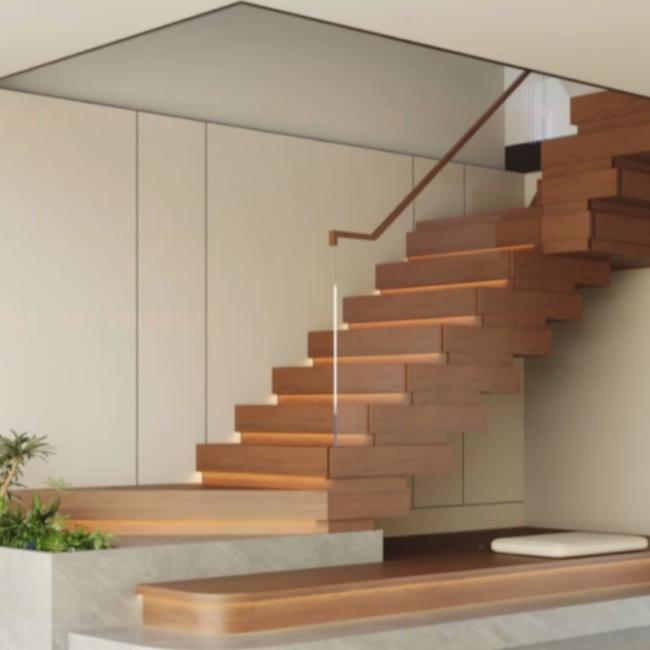
Our CNC Automatic Engineered Wood Flooring Bending Machine is designed as a complete solution that resolves these challenges through intelligent, automated integration. The solution effectively addresses the core issues of grain integrity, labor dependency, temperature management, and fracture prevention. The process is built on a robust, high-precision platform, featuring:
-
Intelligent Pre-Heating System: The machine incorporates advanced thermal management technology that pre-heats the bending zone of the engineered wood panel prior to forming. This ensures the material reaches optimal pliability without overheating, reducing the risk of cracking during the bending process.
-
Multi-Station CNC Controlled Bending: Utilizing a state-of-the-art CNC system, the machine executes bending with repeatable precision across multiple stations. Multi-stage displacement stamping bending distributes stress across a larger area rather than concentrating force on a single point, significantly reducing the risk of internal fracture.
-
Adaptable Clamping and Positioning: The system features adjustable clamping mechanisms that accommodate various panel thicknesses from 4.5mm to 25mm. Unlike rigid fixtures, this design prevents excessive rigid limiting during processing, further protecting the engineered wood from breakage.
-
Steam or Thermal Integration: Compatible with steam softening processes, the machine maintains elevated temperatures during the bending cycle. This extends the working time of softened wood, allowing for more complex bends and higher success rates.
This versatile bending machine is the ideal solution for producing high-quality curved engineered wood components for a wide range of applications:
-
Curved Stair Noses and Treads: Producing perfectly matched stair components for circular or curved staircases.
-
Arched Window and Door Casings: Creating rounded sections for window and door encasement applications.
-
Curved Wall Paneling and Wainscoting: Manufacturing wall panels that follow irregular architectural contours.
-
Specialty Furniture Components: Bending engineered wood for modern, flowing furniture designs.
-
Decorative Architectural Millwork: Producing custom profiles for interior design projects requiring curved wood elements.
The machine operates through a synchronized, automated process in five key stages:
-
Material Loading and Positioning: The engineered wood panel is loaded onto the worktable. The adjustable clamping system secures the material while allowing controlled movement to prevent rigid stress points.
-
Pre-Heating or Steam Conditioning: The bending zone is subjected to controlled heating, either through integrated heating elements or in conjunction with a steam pre-treatment process. This softens the wood fibers to prepare them for bending without cracking.
-
CNC Bending Execution: The bending mechanism, guided by pre-programmed CNC parameters, applies controlled pressure to form the panel into the desired curve. Multi-stage positioning distributes the bending force to prevent localized breakage.
-
Controlled Cooling and Setting: The bent panel is held in place under pressure while cooling. This ensures the wood fibers set into the curved shape permanently.
-
Discharge and Finishing: The finished bent component is automatically discharged, ready for trimming, sanding, or final finishing.
Selecting the best bending machine for your engineered wood production requires a strategic assessment. Consider this guide:
-
Analyze Your Product Portfolio:
-
Profile Complexity: Determine whether you primarily need simple curved profiles or complex multi-radius shapes. For complex curves requiring multi-stage bending, a machine with advanced CNC programming capability is essential.
-
Material Types: Confirm the machine can process engineered wood, including various veneer configurations such as plywood and blockboard, and thicknesses.
-
-
Forecast Your Production Volume:
-
Throughput Requirements: Calculate your required output. High-speed automated systems are designed for industrial-scale manufacturing, allowing you to fulfill bulk orders efficiently.
-
Changeover Needs: If you frequently switch between different product types, prioritize machines with quick parameter adjustment capabilities.
-
-
Evaluate Heating and Temperature Control:
-
If processing requires steam softening, ensure the machine integrates with or is compatible with steam generation equipment.
-
For pre-heating applications, verify the machine's heating zone can accommodate your maximum workpiece length and width.
-
-
Review Quality and Safety Requirements:
-
If maintaining wood grain continuity is critical for architectural applications, a machine that bends the original board rather than piecing sections together is essential.
-
Ensure the machine has adequate dust extraction capacity. A minimum of 11,000 m³/h airflow is recommended for efficient chip and dust removal.
-
-
What types of engineered wood materials can this machine process?
This system is designed to process a wide range of engineered wood flooring materials, including plywood core boards, blockboard, and multi-layer veneer panels. The adjustable clamping and bending parameters allow processing of various thicknesses typically ranging from 4.5mm to 25mm.
-
How does the machine prevent the wood from cracking during bending?
The machine employs a multi-stage bending process that distributes stress across a larger area rather than concentrating force on a single point. Combined with controlled pre-heating of the bending zone and adaptable clamping that prevents excessive rigid limiting, this significantly reduces the risk of brittle fracture.
-
Does the machine require steam pre-treatment of the wood?
The machine can be configured for both steam-softened and thermal pre-heating processes. If steam pre-treatment is used, the machine's design maintains elevated temperatures during the bending cycle, extending the pliable window and improving success rates. The required minimum airflow capacity of 11,000 m³/h ensures efficient venting of steam and condensation.
-
What is the maximum bending length and capacity?
The machine is available in various configurations to suit different production needs. Please contact our sales engineering team with your specific requirements for detailed technical specifications.
-
What kind of after-sales support does the supplier provide?
We provide professional installation guidance, comprehensive operator training, readily available technical support, and a reliable supply of spare parts to ensure smooth and continuous operation.
Contact our expert sales engineering team today for a personalized consultation and to discuss how this high-speed bending system can optimize your production line.
Email: andrew@starsplas.com
WhatsApp/Mobile: +86 189 136 13799
Tel: +86 512 58108898
Office Address: P.C.215600, Wanda Plaza 1301, No.20 Renmin East Road, ZhangJiaGang, JiangSu, CHINA
Factory Address: 215625, Plant A18 Jinfeng Technology Innovation Park, Zhangjiagang, Jiangsu Province, PRC
Get in Touch
Have questions about our products or want to discuss a custom order? Our team is ready to help you.