
Food Grade Acetylated Modified Tapioca Starch in 25kg Bag Excellent White Powder for Improved Performance
Price:
CN¥5,353.35/metric tons 20-49 metric tons
MOQ:
20 metric tons
Delivery Time:
Negotiable
Brand:
RENZE
Product Description
Product Description
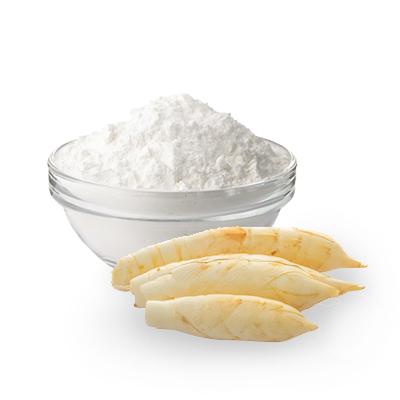
Tapioca Starch - Tapioca Flour
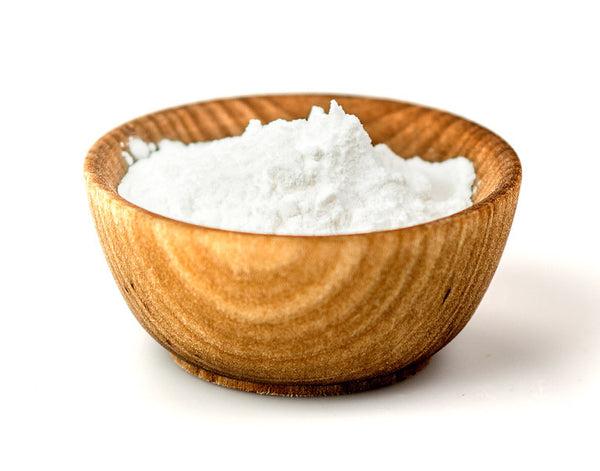
Tapioca Starch (known as Tapioca Starch) is known as a common flour used in many recipes or cakes. The type of dough is able to create a consistency for the dish without changing the flavor of the dish.
When it comes to tapioca starch, everyone has heard of it, especially women who love to cook or make cakes. The sweet soup, soup or clear flour cake, noodle soup ... indispensable flour this material. Tapioca starch is often used with the purpose of thickening dishes without losing their characteristic flavor.
When it comes to tapioca starch, everyone has heard of it, especially women who love to cook or make cakes. The sweet soup, soup or clear flour cake, noodle soup ... indispensable flour this material. Tapioca starch is often used with the purpose of thickening dishes without losing their characteristic flavor.
Product Application
WHAT IS TAPIOCA STARCH USED FOR?1.Food Applications
Ingredient for food preparation
- Basic home cooking ingredient
- Food manufacturing (noodles, crackers, ice cream, etc,..).
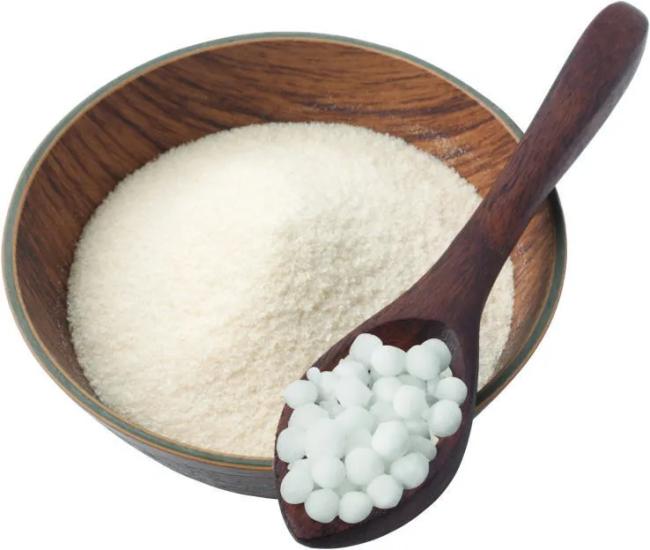
- Manufacturing of tapioca pearl ( sago seeds ) for dessert dishes
Tapioca starch is a thickener and stabilizer in fruit pies, soups, puddings, breads, sauces, soy and meat products. It can
withstand long cooking times without breaking down. And products made with tapioca don’t lose their quality when frozen or reheated because tapioca retains its thickening capabilities throughout these processes. Tapioca becomes clear and gel-like when cooked and dissolves completely when used as a thickener.
2. Beverages and Alcohol
Modified tapioca starch is used as a colloid stabilizer in beverages that include solid constituents. Tapioca starch based
sweeteners are preferred to sucrose in beverages for their improved processing characteristics and product enhancing properties. High dextrose equivalent syrups of tapioca based hydrolysate are also excellent source for easily fermentable sugar for brewery
applications.Alcohol: Ethanol is derived from tapioca starch and used as fuel. It accounted for 70% supplied to alcoholic beverage industry and lysol industry. One ton of tapioca starch yields 720 litre or 95% ethanol.
3. Textiles (Sizing and Dyeing)
Starch is perfect for textile applications. This is why it is widely used in the sizing of yarns and finishing of cotton and
polyester fabrics. The starch has a important role in three stages of production of textiles : mixing, printing and finishing.Textiles (Sizing and
Dyeing)
4. Paper Industries
Tapioca starch will be used in three stages of production process; Beater Sizing or Wet-end, Surfacing Sizing or Size-press and Surface Coating
5. Animal Feed
Starch is highly economical and therefore extensively used as a filler in the manufacturing of compounded animal feeds
6. Glue and Adhesive Industries.
Its relatively high viscosity affords an appreciable binding capacity, which is why starch finds much favour in the adhesive
industry. Tapioca starch becomes sticky when it is mixed with water or certain chemicals. It stays sticky over a very long period
of times. However, high quality tapioca starch fits for making industrial glues.
7. Pharmaceutical Industries (Tablet binder and dispersion agent).
Native starch is used as binders, fillers and disintegrating agents for tablet production
8. Cosmetics Industries
* make-up
* soap filler/extender
* face creams
9. Construction Industry
* concrete block binder
* asbestos, clay/limestone binder
* fire-resistant wallboard
* plywood/chipboard adhesive
* gypsum board binder
* paint filler
10. Plywood
Tapioca starch is applied for making glue which is an important raw material of the plywood industry. The strength and the quality
of plywood depend largely on the quality of glue.
11. Detergent Soaps
12. Miscellaneous
* biodegradable plastic film
* dry cell batteries
* printed circuit boards
* leather finishing
Ingredient for food preparation
- Basic home cooking ingredient
- Food manufacturing (noodles, crackers, ice cream, etc,..).
- Manufacturing of tapioca pearl ( sago seeds ) for dessert dishes
Tapioca starch is a thickener and stabilizer in fruit pies, soups, puddings, breads, sauces, soy and meat products. It can
withstand long cooking times without breaking down. And products made with tapioca don’t lose their quality when frozen or reheated because tapioca retains its thickening capabilities throughout these processes. Tapioca becomes clear and gel-like when cooked and dissolves completely when used as a thickener.
2. Beverages and Alcohol
Modified tapioca starch is used as a colloid stabilizer in beverages that include solid constituents. Tapioca starch based
sweeteners are preferred to sucrose in beverages for their improved processing characteristics and product enhancing properties. High dextrose equivalent syrups of tapioca based hydrolysate are also excellent source for easily fermentable sugar for brewery
applications.Alcohol: Ethanol is derived from tapioca starch and used as fuel. It accounted for 70% supplied to alcoholic beverage industry and lysol industry. One ton of tapioca starch yields 720 litre or 95% ethanol.
3. Textiles (Sizing and Dyeing)
Starch is perfect for textile applications. This is why it is widely used in the sizing of yarns and finishing of cotton and
polyester fabrics. The starch has a important role in three stages of production of textiles : mixing, printing and finishing.Textiles (Sizing and
Dyeing)
4. Paper Industries
Tapioca starch will be used in three stages of production process; Beater Sizing or Wet-end, Surfacing Sizing or Size-press and Surface Coating
5. Animal Feed
Starch is highly economical and therefore extensively used as a filler in the manufacturing of compounded animal feeds
6. Glue and Adhesive Industries.
Its relatively high viscosity affords an appreciable binding capacity, which is why starch finds much favour in the adhesive
industry. Tapioca starch becomes sticky when it is mixed with water or certain chemicals. It stays sticky over a very long period
of times. However, high quality tapioca starch fits for making industrial glues.
7. Pharmaceutical Industries (Tablet binder and dispersion agent).
Native starch is used as binders, fillers and disintegrating agents for tablet production
8. Cosmetics Industries
* make-up
* soap filler/extender
* face creams
9. Construction Industry
* concrete block binder
* asbestos, clay/limestone binder
* fire-resistant wallboard
* plywood/chipboard adhesive
* gypsum board binder
* paint filler
10. Plywood
Tapioca starch is applied for making glue which is an important raw material of the plywood industry. The strength and the quality
of plywood depend largely on the quality of glue.
11. Detergent Soaps
12. Miscellaneous
* biodegradable plastic film
* dry cell batteries
* printed circuit boards
* leather finishing
Specification
|
No.
|
Test Item
|
Test Method
|
Result
|
Unit
|
||
|
1
|
Starch content
|
ISO 105200:1997
|
87.4
|
%(w/w)
|
||
|
2
|
Moisture
|
ISO 1666:1996
|
12.2
|
%(w/w)
|
||
|
3
|
Ash
|
AOAC 923.03(20TH Ed,. 2016)
|
0.11
|
%(w/w)
|
||
|
4
|
Crude Fiber
|
ISO 5498:1981
|
0.09
|
%(w/w)
|
||
|
5
|
PH value(10% solution)
|
AOAC 943.03(20TH Ed,. 2016)
|
5.59
|
-
|
||
|
6
|
Sand/silica
|
GAFTA Method 12:0 (2014)
|
Not Detected LOD=0.02
|
%(w/w)
|
||
|
7
|
whiteness
|
ISI 44 Minolta
|
96.8
|
%
|
||
|
8
|
Viscosity (6% solution)
|
Type Brabender
|
787
|
BU
|
||
|
9
|
E.coli
|
ISO 16649-2:2001
|
<10
|
cfu/g
|
||
|
10
|
Total Plate Count
|
ISO4833-1: 2013
|
<10
|
cfu/g
|
||
|
11
|
Total Coliforms
|
ISO4832: 2006
|
<10
|
cfu/g
|
||
|
12
|
Salmonella spp
|
ISO 6579:2002/ Cor 1: 2004/Amd1: 2007
|
Not Found LOD50 = 2
|
/25
|
||
|
13
|
Coagulase-possitive staphylococci
|
ISO 6888-1: 1999/Amd1: 2003
|
<10
|
cfu/g
|
||
|
14
|
Ballius cereus
|
ISO 7932: 2004
|
<10
|
cfu/g
|
||
|
15
|
Total Yeast
|
ISO 21527-2: 2008
|
<10
|
cfu/g
|
||
|
16
|
Total Mould
|
|
<10
|
cfu/g
|
||
|
17
|
Payment term
|
LC or TT
|
|
|
||
|
18
|
Delivery method
|
FEDEX, DHL, SEA
|
|
|
||
|
19
|
Processing time
|
7-10 days
|
|
|
||
|
20
|
Remark
|
We accept to follow as customer brand
|
|
|
||
Packing & Delivery

25kgs/bag
Company Profile
1) TOP 10 Supplier 2) Belongs to capital group-XIANDE 3) With a history over 25 years. 4) 15 years export experience. 5) Focus on Cocoa products, Food Ingredients, Food Additives, API, Amino Acids, Vitamin, and gate hardware. . 6) Has approved ISO9001-2008, international food's HACCP system and relative certificates. 7) We offer high quality goods, best service and price.
FAQ

Contact us
Estela Han
Jiaxing Renze IMP&EXP Co.,ltd.![]()
Tel: 0086-573-83989698 Fax: 0086-573-83915769

Tel: 0086-573-83989698 Fax: 0086-573-83915769
E-mail: sales14@food-navigator.cn
Mobile/Whatsapp/Wechat: +86-132 2131 7973
Website: food-navigator.cn
ADD: 1208 BLOCK B, TAISHENG PLAZA, JIAXING, CHINA
Main Markets Southern Europe,Northern Europe,Central America,
Mid East,Africa,North America,South America,Eastern Europe
Main products Cocoa Powder,Alkalised Cocoa Powder,
Natural Cocoa Powder,Food Ingredients,Food Additives
Mobile/Whatsapp/Wechat: +86-132 2131 7973
Website: food-navigator.cn
ADD: 1208 BLOCK B, TAISHENG PLAZA, JIAXING, CHINA
Main Markets Southern Europe,Northern Europe,Central America,
Mid East,Africa,North America,South America,Eastern Europe
Main products Cocoa Powder,Alkalised Cocoa Powder,
Natural Cocoa Powder,Food Ingredients,Food Additives
Similar Products
Get in Touch
Have questions about our products or want to discuss a custom order? Our team is ready to help you.
Company
Jiaxing Renze Import & Export Co., Ltd
Location
1208 Block B, Taisheng International Plaza, Jiaxing, China
Contact Person
Sales