
Epoxy FBE Coated Bolted Water Storage Tanks For Waste Water Solutions NFPA 22 API 12B Standards
As industries face stricter environmental regulations and rising operational costs, efficient wastewater storage has become a critical challenge. Traditional storage tanks often fail to withstand corrosive chemicals, temperature fluctuations, and long-term wear. FBE Coated Storage Tanks combine Fusion-Bonded Epoxy (FBE) technology with robust engineering to provide superior wastewater storage solutions.
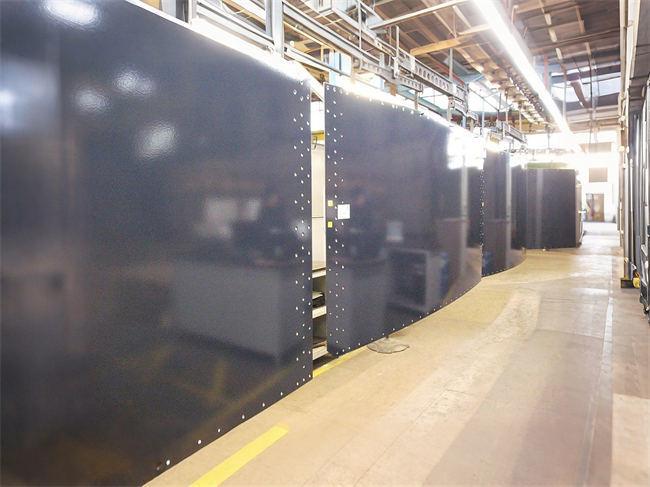
FBE (Fusion-Bonded Epoxy) coating is a thermosetting polymer applied to steel surfaces through a high-temperature electrostatic process. When used in wastewater storage tanks, this coating forms a chemically inert barrier that protects against:
- Corrosion from acids, alkalis, and saline environments
- Abrasion caused by suspended solids in wastewater
- UV degradation and extreme weather conditions
Unlike traditional coatings, FBE bonds molecularly with the steel substrate, ensuring no peeling or blistering even after decades of use.
The core processes include:
- Surface pretreatment: Steel is sandblasted to achieve cleanliness level of Sa 2.5 (ISO 8501-1 standard)
- Powder coating: Epoxy resin powder is electrostatically sprayed at 180°C to 250°C
- Curing and forming: Coating melts and cross-links to form dense protective layer (250-500 microns)
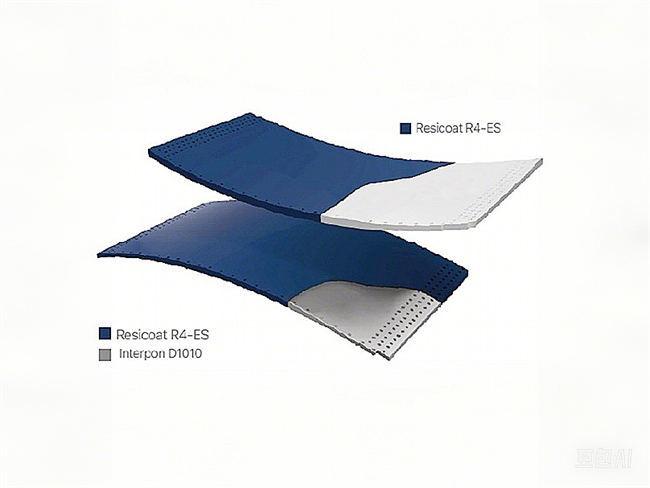
The molecular-level bonding creates zero porosity, completely blocking moisture, ions, and corrosive media penetration.
Wastewater often contains aggressive chemicals like hydrogen sulfide, chlorides, and organic acids. FBE's non-porous surface prevents ion penetration, making it 10x more corrosion-resistant than conventional paint or rubber linings.
Studies show FBE-coated tanks have a 20+ year lifespan with minimal upkeep. Case in point: A 2023 report by the Water Environment Federation found that municipalities using FBE tanks saved $1.2M annually on maintenance compared to uncoated alternatives.
FBE coatings are VOC-free and comply with EPA and ISO 12944 standards, reducing the risk of leaks and groundwater contamination.
- Municipal Treatment Plants: Safely store sludge and treated effluent
- Industrial Facilities: Handle acidic wastewater from mining, chemical processing, and oil refineries
- Agricultural Operations: Manage runoff containing fertilizers and pesticides
Real-World Example: In 2022, a Texas-based petrochemical plant replaced its aging concrete tanks with FBE-coated steel units, achieving zero leaks and a 30% reduction in downtime.
Not all FBE coatings are equal. Prioritize suppliers that:
- Hold NACE or SSPC certifications for coating application
- Offer tanks tailored to pH levels, temperature ranges, and capacity needs
- Provide a minimum 20-year warranty on coatings
| Feature | FBE Coating | Polyurethane | Galvanized Steel |
|---|---|---|---|
| Corrosion Resistance | Excellent | Good | Moderate |
| Lifespan | 20+ years | 15-20 years | 10-15 years |
| Environmental Impact | Low (VOC-free) | High (VOCs) | Moderate (Zinc runoff) |
| Cost Over 15 Years | 500K | 1.2M | 900K |
Data Source: 2023 Corrosion Protection Market Analysis
- Annual Inspections: Check for mechanical damage or coating wear
- Cleaning: Use low-pressure water jets to remove biofilm buildup
- Repairs: Partner with certified technicians for epoxy patch repairs
In an era where sustainability and cost-efficiency are non-negotiable, FBE-coated storage tanks offer a proven solution for industries worldwide. By investing in this technology, you not only comply with regulations but also secure decades of reliable performance.
Get in Touch
Have questions about our products or want to discuss a custom order? Our team is ready to help you.