
Hygienic Design Epoxy Bolted Steel Water Storage Tanks For Food Processing Industry
Discover how FDA-compliant epoxy bolted tanks revolutionize food processing with hygienic design, corrosion resistance, and rapid deployment.
The global food processing industry faces mounting pressure to meet stringent safety standards, with contamination risks costing the sector USD110 billion annually (FAO, 2023). Traditional welded tanks and concrete silos struggle with:
- Microbial Harborage: Cracks and crevices in welds promote biofilm formation.
- Chemical Leaching: Low-grade coatings release volatile organic compounds (VOCs).
- Cross-Contamination: Porous surfaces trap allergens like nuts and gluten.
Epoxy bolted tanks address these challenges through modular, crevice-free designs and NSF/3-A Sanitary Certified materials, making them the gold standard for dairy, brewing, and ready-to-eat food production.
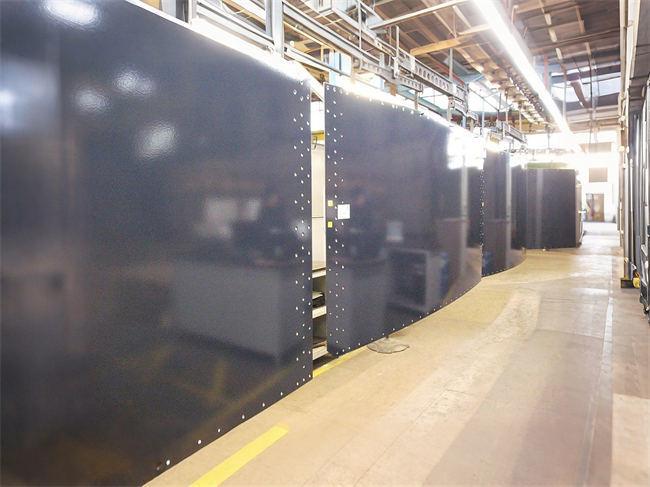
- Panels: Cold-rolled steel (ASTM A1008) coated with FDA 21 CFR 175.300-compliant epoxy (250-500 μm DFT).
- Bolting System: 304/316L stainless steel fasteners with silicone gaskets (EC1935/2004 food contact approval).
- Custom Configurations:
- Capacity: 500 to 500,000 gallons.
- Temperature: -30°C to 120°C (heated/cooled jackets optional).
- Electrostatic Spray Application: Ensures 100% coverage with zero pinholes.
- Curing Process: Thermal curing at 180°C creates a non-porous, chemically inert surface resistant to:
- Acids (pH 2-12): Citric, acetic, and lactic acids.
- High-sugar solutions: Syrups, molasses (≤80°Bx).
- CIP chemicals: 4% caustic soda, 1.5% nitric acid.
| Parameter | Epoxy Bolted Tanks | Stainless Welded Tanks | Polyethylene Tanks |
|---|---|---|---|
| Hygiene | Seamless interior (Ra ≤0.4 μm) | Weld discoloration risks | Scratch-prone surface |
| Assembly Time | 70% faster (pre-engineered) | 6-12 weeks (custom welding) | 4-8 weeks (molding) |
| Lifecycle Cost | USD1.2M/20 years | USD2.5M/20 years | USD900K/10 years (replacement) |
| Allergen Control | Full USDA Organic compliance | Requires post-weld polishing | Limited to non-fatty liquids |
Data source: 2024 Food Plant Engineering Report
- Cheese Brining: Epoxy resists salt concentrations up to 25% NaCl.
- Yogurt Culturing: Smooth surface prevents bacterial adhesion (tested per ISO 22196).
- Case Study: A Wisconsin creamery reduced CIP water usage by 40% after switching to epoxy bolted tanks.
- Wort Storage: Withstands 95°C thermal cycling (no coating delamination).
- Spirit Aging: Ethanol-resistant up to 95% ABV.
- Tomato Processing: Prevents iron sulfide formation (black speck defects).
- Hot Fill Applications: Compatible with 85°C fill temperatures.
- Global Standards:
- FDA 21 CFR 175.300 (indirect food additives).
- EU Regulation EC 1935/2004 (materials in contact with food).
- 3-A Sanitary Standard 63-01 (hygienic equipment design).
- Third-Party Validation:
- NSF/ANSI 51: Food equipment materials.
- ISO 21469: Lubricants with incidental product contact.
- Site Prep: Level concrete pad (6" minimum, 3,000 psi compressive strength).
- Panel Assembly: Bolt panels using torque-controlled tools (80-100 Nm).
- Leak Testing: 24-hour hydrostatic test at 1.3x operating pressure.
- Automated CIP Systems:
- Spray ball coverage: ≥1.5 GPM/ft² at 15 PSI.
- Validation: ATP swab testing <50 RLU.
- Inspection Schedule:
- Daily: Visual checks for coating integrity.
- Annual: Ultrasonic thickness testing.
- Smart Coatings:
- pH-sensitive epoxy changes color at coating damage (patent-pending).
- Sustainable Materials:
- Bio-based epoxy from cashew nut oil (50% lower carbon footprint).
In an industry where recalls can destroy brands overnight, epoxy bolted tanks deliver zero-tolerance hygiene, regulatory confidence, and operational agility. From craft breweries to multinational processors, this technology safeguards product integrity while slashing lifetime costs by up to 60%.

Get in Touch
Have questions about our products or want to discuss a custom order? Our team is ready to help you.