
ISO9001 Certified Chemical Plants Cage Filter Bag 5-12 Meter Length
Stainless Steel Split Filter Bag Cage For Kiln Head Dust Removal In Cement Plant
The function of filter bag cage:
Filter Bag Cage structure and composition Introduction: Pulse jet baghouses use fabric filter bags with an internal support structure, commonly referred to as Filter Bag Cage or Dust bag cage. The Filter Bag Cage keeps the filter bag open during collection, providing the necessary support for the filter bag. Our Filter Bag Cage are manufactured with high craftsmanship to ensure durability and high performance.
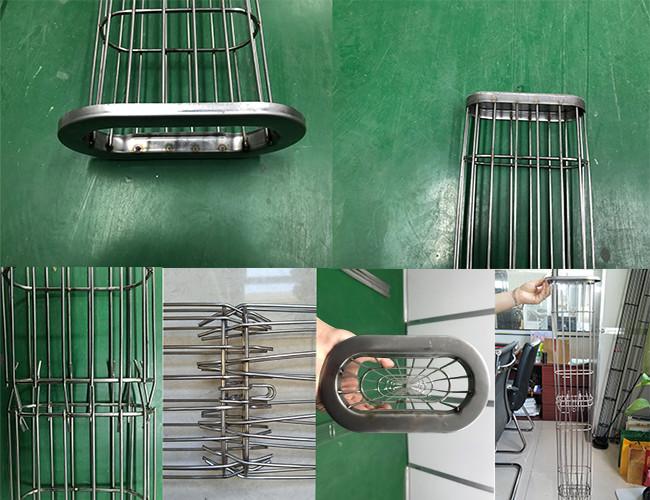
Filter Bag Cage commonly used in food manufacturing, power plants, chemical plants, waste incineration plants, cement plants, steel plants for industrial dust and fumes removal. In applications facing humidity, acid corrosion or high temperature, special treatment of filter cages is often required.
Filter Bag Cage Stainless Steel process:
Stainless steel is a term used to identify a family of steels with a minimum content of at least 11% chromium, an element that imparts extreme corrosion resistance to the material. Due to the passivation phenomenon, stainless steel is resistant to corrosion. Elements present in stainless steel react easily with the surrounding environment, especially chromium, which helps to form a thin protective layer that protects the material from subsequent corrosion attacks. Other elements, such as nickel, molybdenum, and titanium, make stainless steel easy to bend, weld, stamp, and machine so that it can be machined. Stainless steels fall into three broad categories: austenitic, ferritic, and martensitic. The steels used by CleanAir Europe belong to the austenitic series (300 series) for the manufacture of baskets and components.
Stainless Steel 316 is used in very harsh environments where there are many corrosion factors that can prolong over time. These environments include marine areas, saline environments, fumes or dust collectors handling chemicals.
Stainless steel 304 is used in environments where there are corrosive factors, but not as high humidity as the stainless steel 316 environment just described.

The galvanized dust filter cage dust removal framework technical requirements:
1. The galvanized steel filter cage must have sufficient strength, verticality and dimensional accuracy.
2. Galvanized steel filter cage table is galvanized.
3. All welded joints of the galvanized steel filter cage are good, and no de-soldering and welding leakage are allowed.
The galvanized dust filter cage Specifications:
| Type | Number of longitudinal threads |
Diameter of the longitudinal wires | Ring wire diameter | Material |
| Round Filter Cage | 6~24 10, 12, and 20 vertical wires most common |
3~6mm 10, 11, and 12 gauge wire most common |
86~190mm Common diameters: 4″ – 6-1/8″ |
Aluminum, S235JR, Galvanized Steel, 201, SS 304, SS 316, ABS, Carbon/Mild Steel, Epoxy Coated (High Temperature <325°) |
| Oval Filter Cage | 6-8-10--16 | 3~6mm 10, 11, and 12 gauge wire most common |
||
| In addition to the above information, we also need your quantity, length, Distance of rings, collar and venturi condition. If you have drawings, we will produce according to the drawings. | ||||
Filter Bag Cage Top:Rolled Flange (Turned Down Flange),Split Collar (Rolled Band),Slotted,All Wire,Split Ring,Collar venturi...
Filter Bag Cage Bottoms:Welded Cup,Crimped Cup,Snap Cup,Wire Formed...
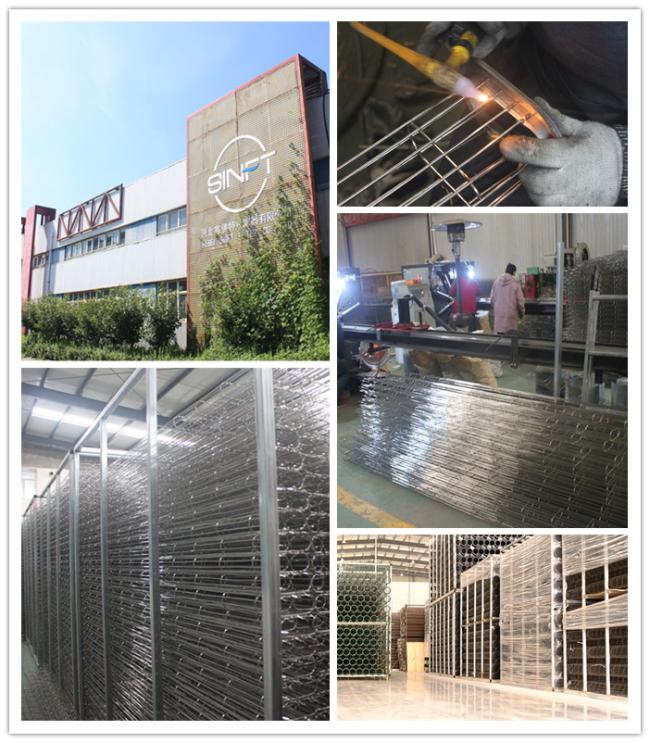
Filter Bag Cage Production Process:

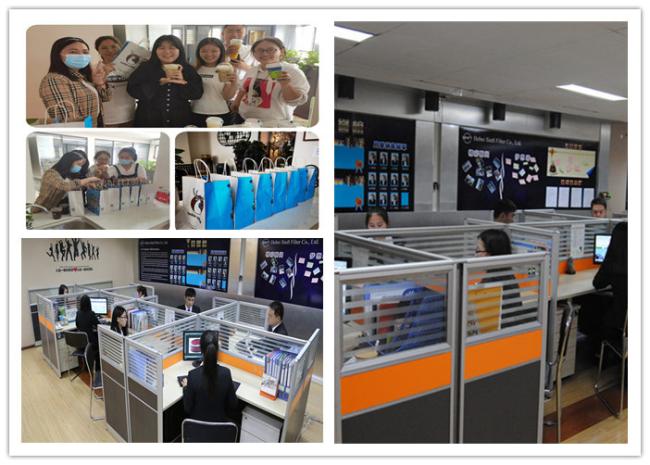
Our factory:
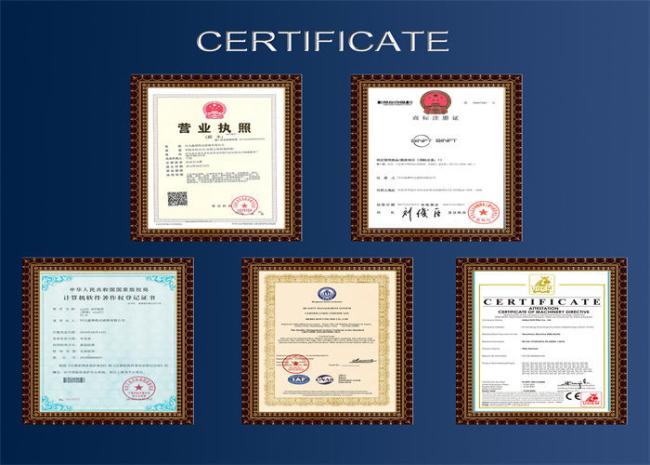
Our Certificate:
Get in Touch
Have questions about our products or want to discuss a custom order? Our team is ready to help you.